
It’s been a fantastic year for theatre in York.
Not least for York Theatre Royal, whose achievements this year include a world premiere of a brand new musical, welcoming hundreds of volunteers for their community production, and hosting Oscar-winning actor Gary Oldman – in his first theatre appearance after nearly 40 years.
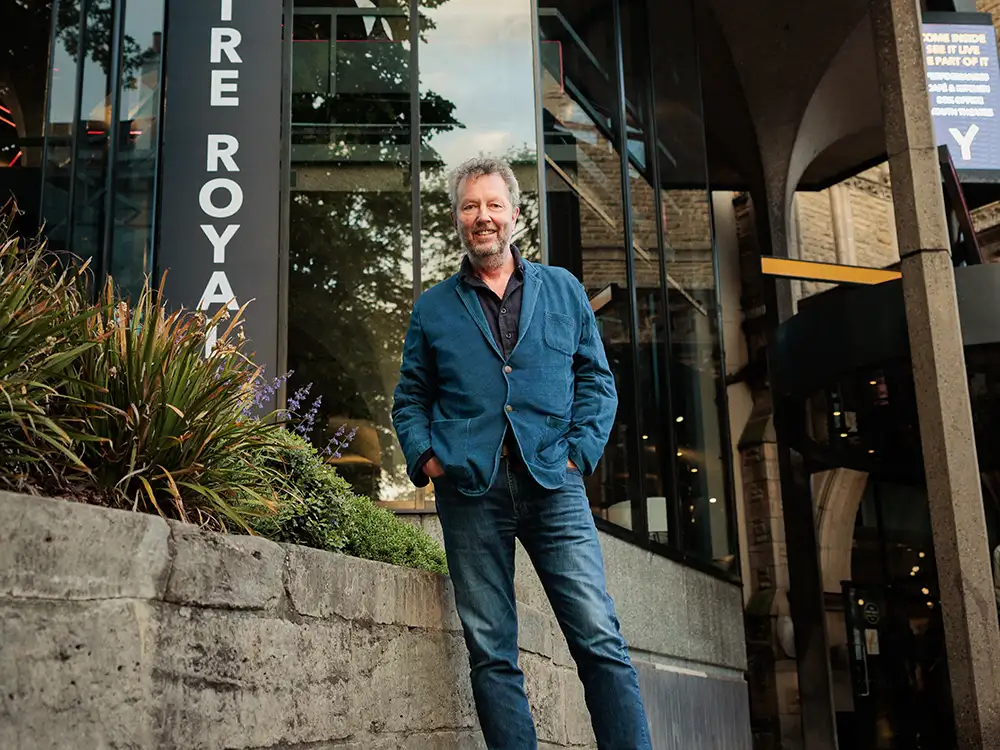
Fresh off the back of two national award nominations, YorkMix spoke with York Theatre Royal CEO Paul Crewes to find out more about the year York Theatre Royal have had.
Paul has been the CEO of York Theatre Royal for just over two years, after he took over from previous CEO Tom Bird.
After spending the first 15 years of his career working in producing theatres including the Bristol Old Vic, Paul joined the West Yorkshire Playhouse – now the Leeds Playhouse – as producer in 2001.
He was later chief executive of the Kneehigh Theatre Company, producing shows that toured the UK, the US and Australia, and from 2015 to 2021 was artistic director of The Wallis Annenberg Center for Performing Arts in Beverly Hills, Los Angeles.
To see all upcoming events at York Theatre Royal, visit their website here.
Q&A with Paul Crewes
What was your reaction to being nominated for Theatre of the Year for The Stage Awards 2026?
It’s very exciting to be nominated. We haven’t been nominated before, so as a theatre, we’re very proud of the nomination. And being nominated with the other theatres, it’s quite an honour to be in that company. It’s an honour to be recognised nationally; one of the things we’re trying to do at the moment is work in three different ways. We’re trying to work locally, we’re trying to work nationally, and we’re going to work internationally – that’s the ambition.
I think that for the city, it’s important that we have national recognition, that we bring audiences from beyond Yorkshire as well as beyond the UK. For Krapp’s Last Tape, we had over 800 people from abroad that came to see the show. That’s great for the theatre, it’s great for that reputation, it’s great for the city, and also the hotels, the restaurants all benefited.
When you build that reputation and you’re perceived to be successful, it allows you opportunities that wouldn’t come otherwise. So we’re beginning to talk to other artists and other creative people and other theatre companies in a way that we wouldn’t have done before. We’re on people’s radar in a way that we weren’t before. There are people in New York that are talking about York Theatre Royal, which is great. So it’s been an exciting year. And the nomination, in a sense, caps it off.
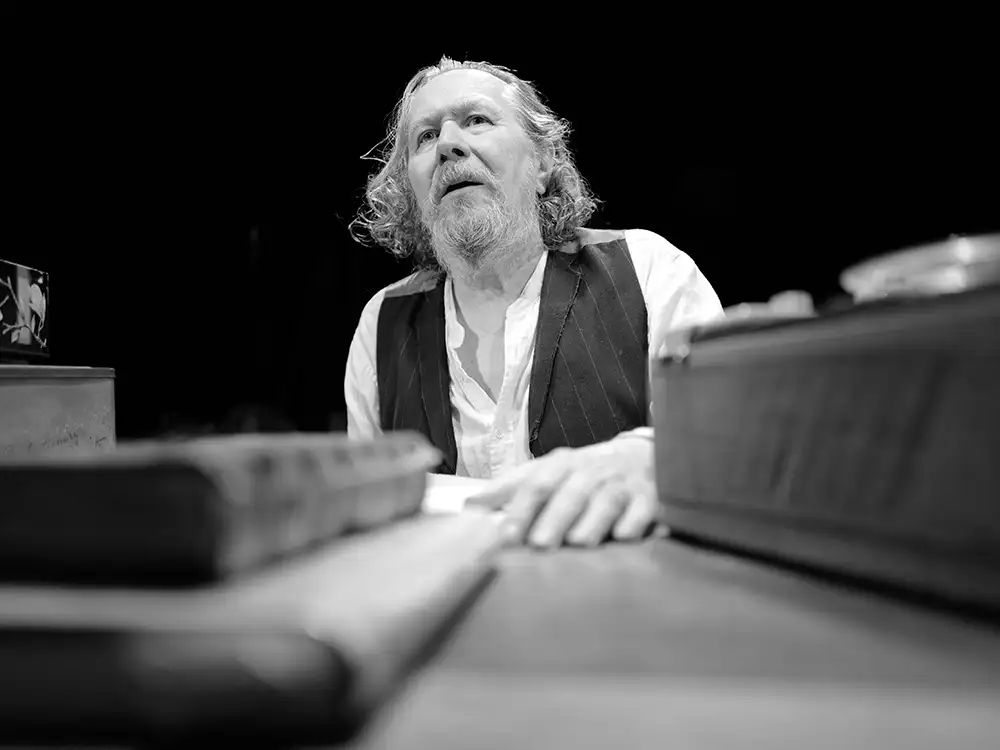
Krapp’s Last Tape has also been nominated for a WhatsOnStage award for Best Regional Production. WhatsOnStage awards are nominated and voted by audiences – what’s it like to have resonated with audiences?
It’s fantastic that we did attract a really interesting audience. There was a large number of people from from the local region, but there’s people from nationally and internationally come to see the show and and I think what they saw on that stage. Some obviously came to see Gary Oldman, but some came to see Gary Oldman making amazing work. And I think what everyone went away from is that they had just seen on stage a great actor in a great production of a great play – and we can’t wish for more, really.
It was mesmerising watching Gary in that role. It’s a relatively short play, but it’s pretty intense for just under an hour. I think the impact it had on the audiences was amazing. And that’s what we’re here to do, is to have an impact on audiences, and surprise them and challenge them occasionally, and provoke them and move them and make them laugh. We’re always trying to trigger those things.
How important is to bring together audiences in that way?
It’s even more important with technology changing everyone’s approach to life. We’re fighting a battle, in a sense, to remind people, it’s about the experience of being in a space with other people, socialising, communion, talking, watching, observing; it’s important.
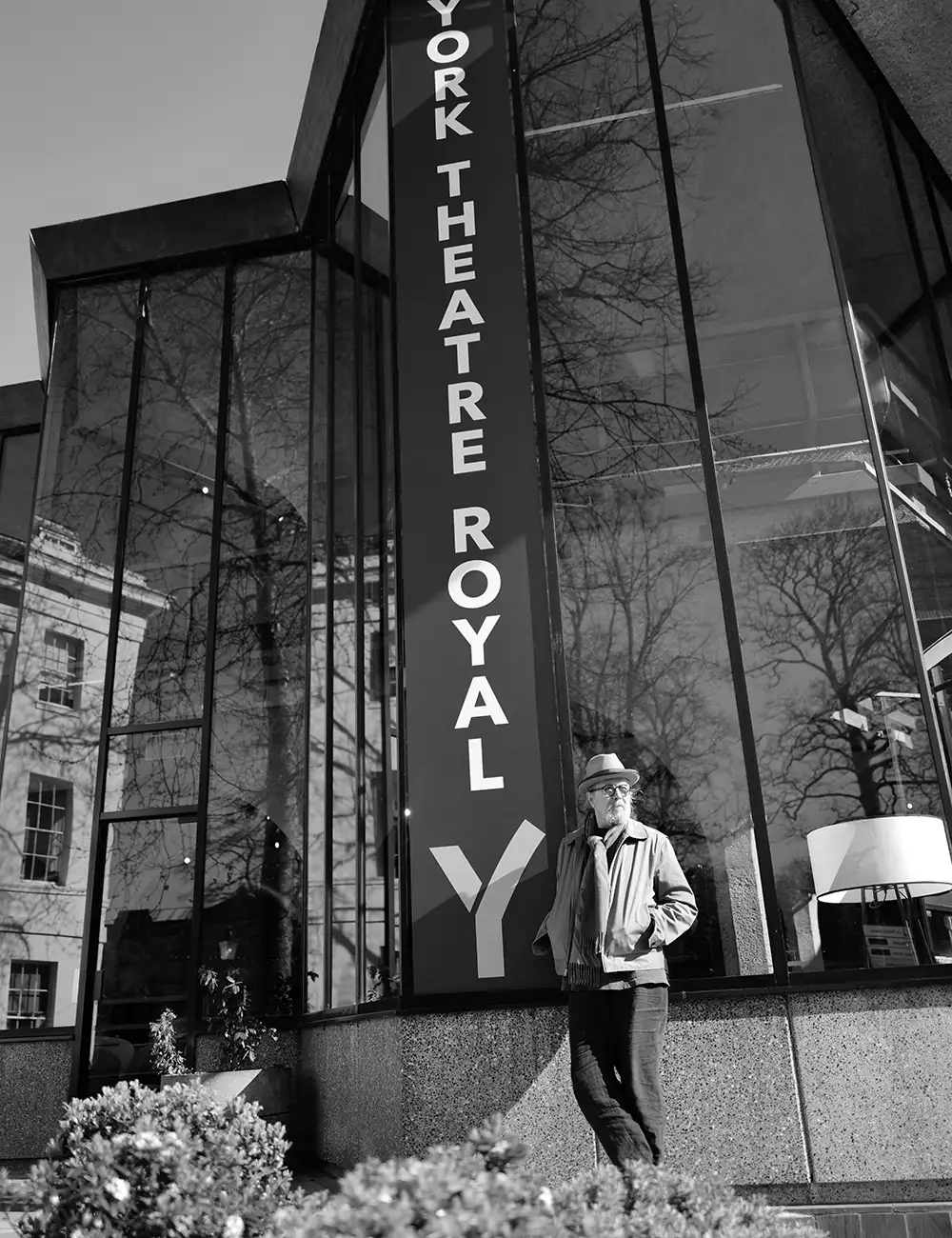
What was it like working with Gary Oldman?
He’s quite a remarkable artist. And his interest is beyond being the actor on stage. He was interested and involved in every aspect of the production – from the design of the show, how we lit it, he recorded the sound, he was involved in the design of the merch t-shirt. So I really enjoyed working with him. And it was fascinating being with him on that journey through to opening night. We worked together slightly secretly for about six months because we needed to work out how to do it, when to do it. It was the most joyful experience.
As an actor of his calibre, it’s great to hear he was so involved – was that also throughout the whole theatre?
He really generated a family vibe. What was lovely was the whole organisation got to know Gary and Giselle (his wife), and they really enjoyed being here. They got to know everyone in the building, and the building raised its game. I think everyone in this building realised how important this project was for us. I was very proud of what the team did, and the fact he loved it here, and they genuinely were homesick when they left.
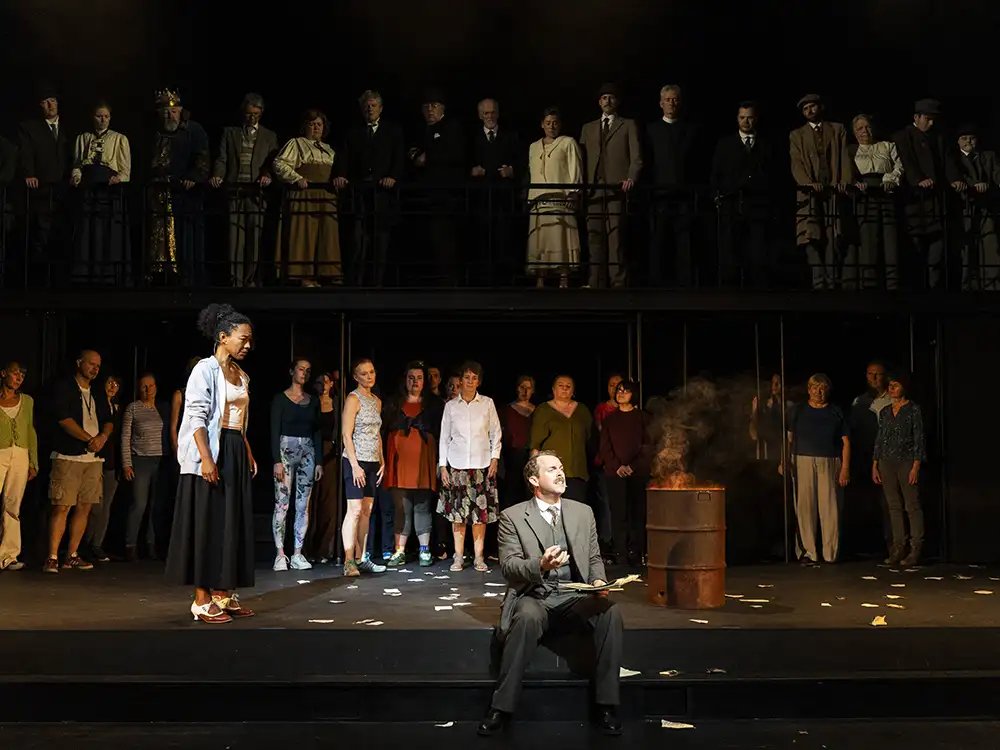
This year also saw the return of the bi-annual community production, with His Last Report, which saw hundreds of volunteers take part on and off stage. How important is it to involve community in the theatre?
It took two years to pull together. The writers were commissioned and worked on it with with the team and and they went out to the communities, and they got feedback during that whole process, and then coming onto the stage, it’s the pinnacle of that work.
It’s important for the theatre to work in its community, so alongside that, we also had another project with the creative engagement team called Sweet Legacies, where they went out into communities we hadn’t necessarily had that much interaction with. It was a unique experience for everyone and there was a lot of pride in in the work that was done, and I hope the impact it had again, on the people involved, the many volunteers we had backstage as well as on stage and the people are working in this theatre, the impact was profound.
What would you say are some of your own personal highlights from the theatre this year?
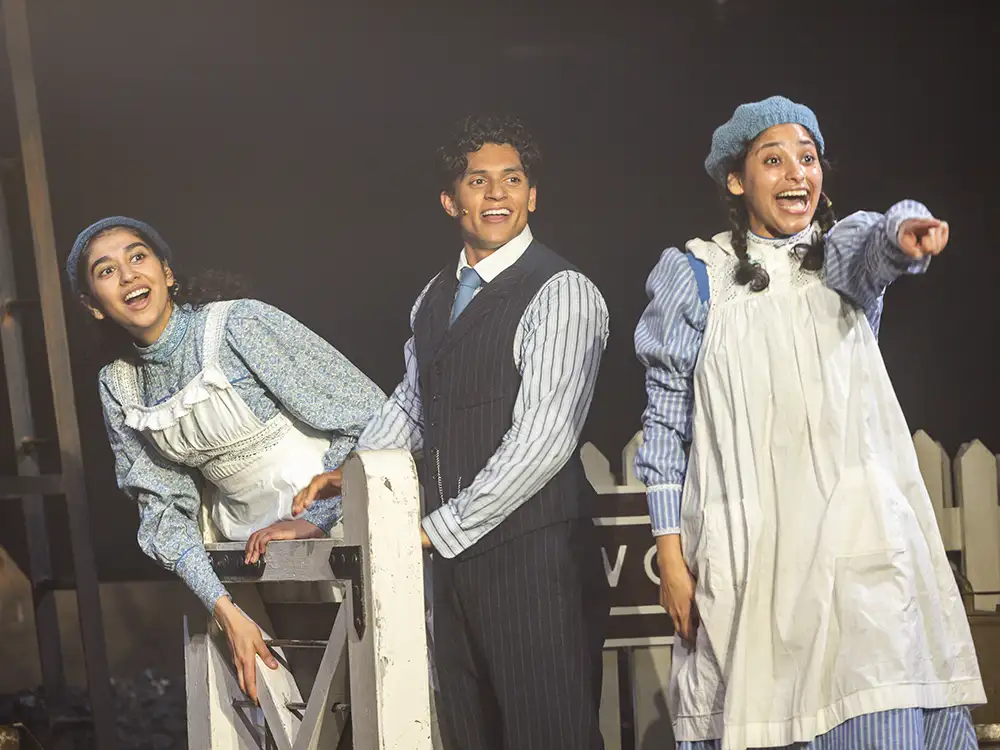
We work with Bradford 25 and The Railway Children, we brought that back for after many years. Working with Bradford 25 and creating this national event was exciting. That was happening at the same time as we’re doing His Last Report on stage here, so it was busy time.
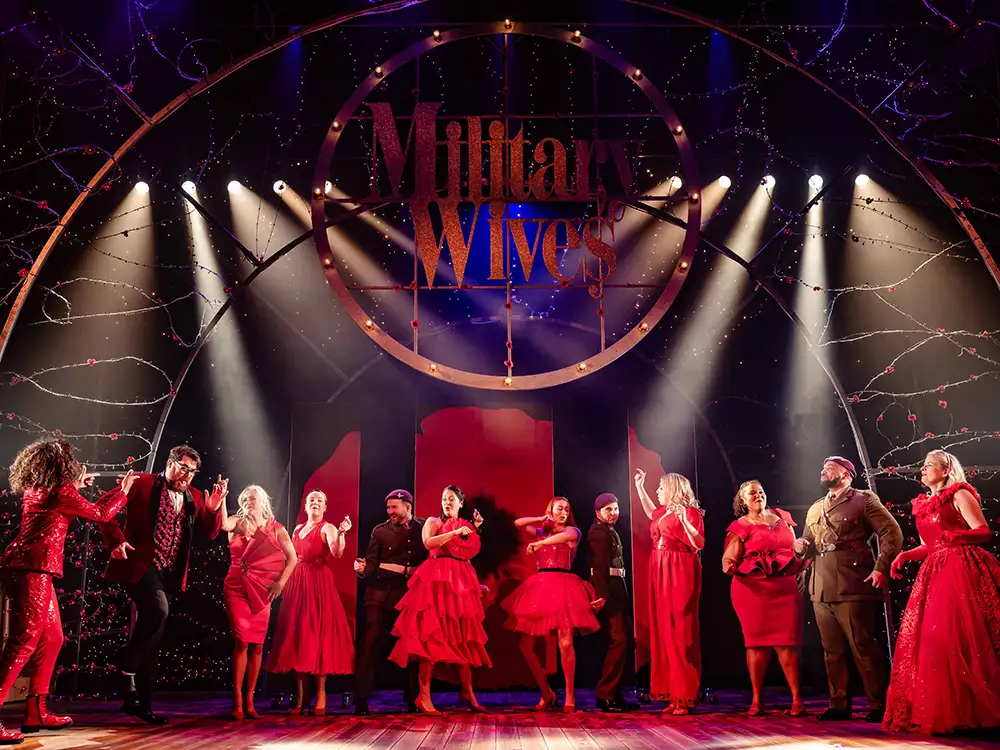
Opening a brand new musical was another highlight. Military Wives is a brand new musical, and that’s quite a feat to be involved in and make. So that was very exciting. When it came to life on stage, the impact that had on audiences – I don’t think I’ve seen quite that reaction to a piece of work, in the way that the audience responded to that musical. I’m hoping that, fingers crossed, there will be a life to that show.
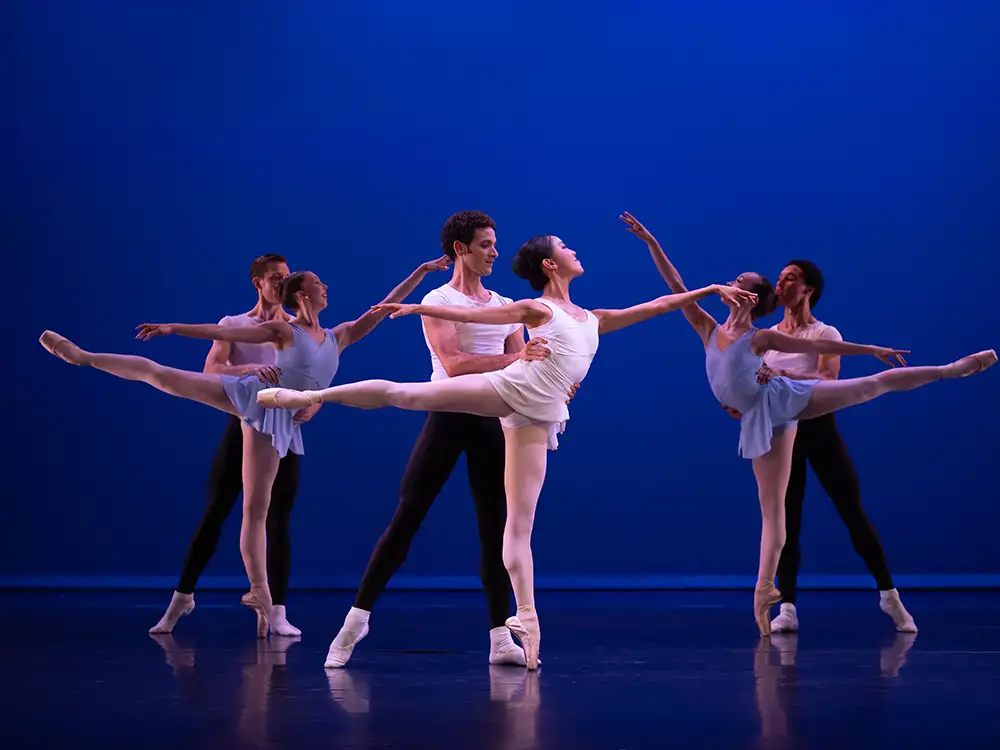
We’re really excited about the dance programme we’re doing. We’re becoming a dance house of the North, in my mind. We’re trying to grow and build ourselves as a destination for dance companies to come to. It will take time, but I actually think dance is one of the best ways of accessing the arts for young people. Within the context of that, we’re trying to invite young audiences to come and see them, that’s another element of what we’re trying to do in our programme – building a very strong dance relationship with companies outside and with our audiences.
It’s the middle of pantomime season – what is that like?
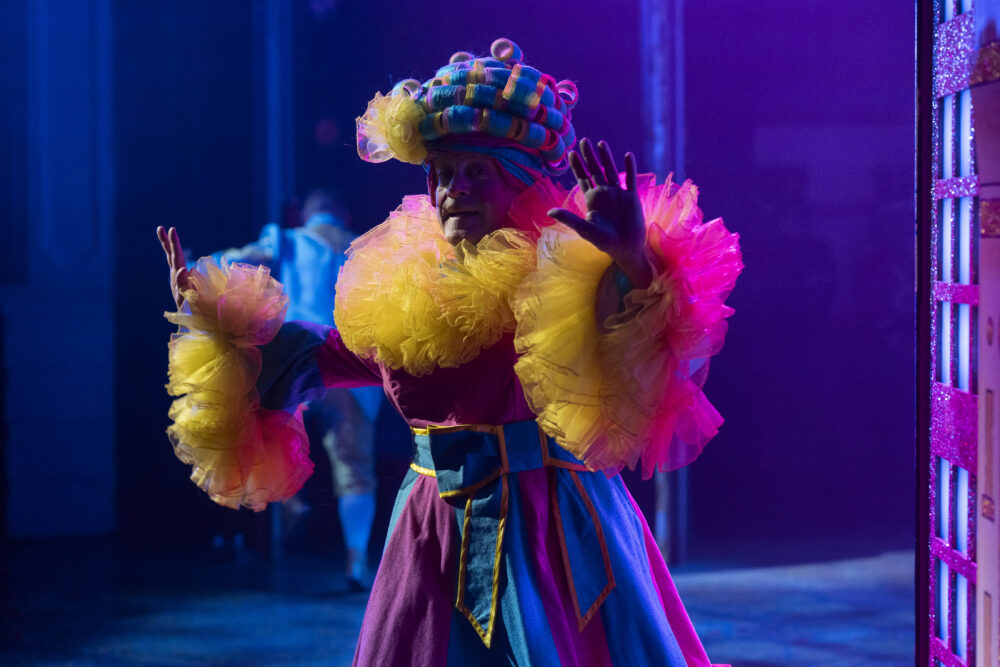
It’s joyful. When you see the house full of young people, you can’t beat that. [Panto] is a big project we do. It’s a really important part of our programme to attract families to theatre, and it may be the first time a child has seen something on stage. I hope that it triggers their imagination to come back and see other things. And I do think the pantomime has established itself. Working with Evolution is great, and Paul and Emily are wonderful partners. It’s a brilliant way of starting a young person and any person’s introduction to theatre.
What would you say has been your career highlight here so far, and what do you hope to still achieve from being CEO here?
I don’t have one. It’s a bit like saying, who’s your favourite child. Obviously working with Gary was a highlight, but that has to be part of a bigger picture. I’m excited by what we’ve got coming up. I’m excited by getting John Doyle back to the theatre and working with him. He’s coming back to York after 30 years, to recreate that actor-musician style of musical with The Secret Garden musical. I met John in New York, and he’d done The Colour Purple on Broadway – so to have someone of his stature working back here is just fantastic.
Then The Psychic is mind blowing, because we managed to get Andy Nyman and Jeremy Dyson to come and open their new play here. To be given the opportunity to work with them on their next brand new show is really phenomenal.
I think the future, and the idea of us growing and building and working on fantastic projects is what keeps you excited. We’re building an organisation that feels excited by the future.
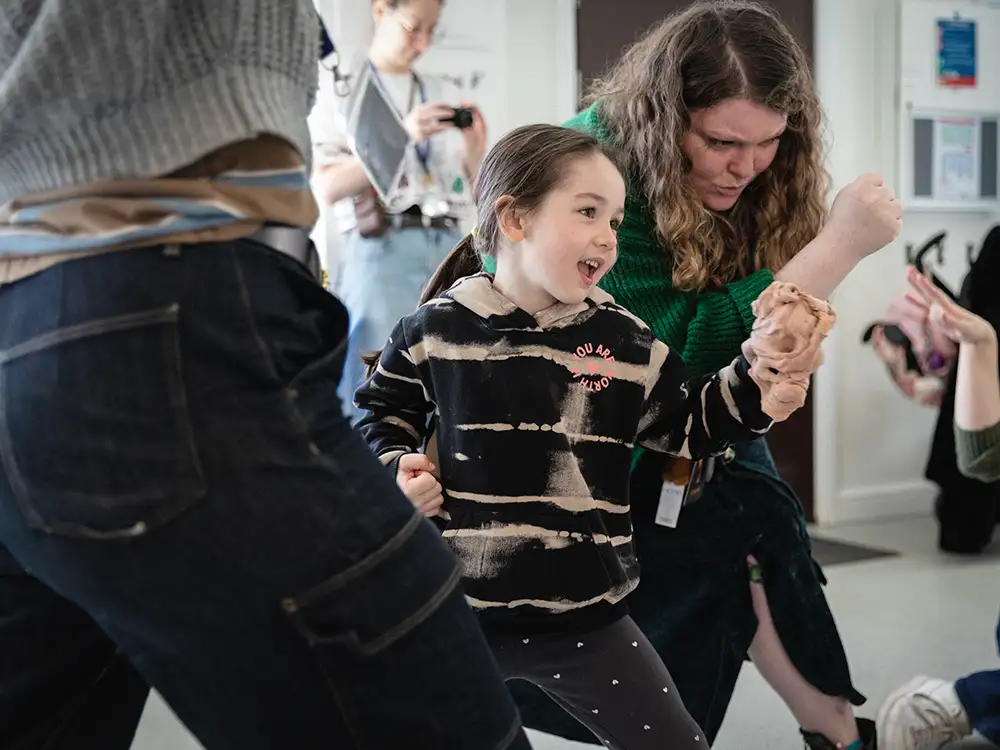
The York Theatre Royal Youth Theatre Production are heading back to the main stage again next year with Wendy & Peter Pan.
That’s amazing that we’re going to get those young people to perform on the on the main stage – that will be for them a life changing experience, I hope.
I suppose what we’ve always going to do is look at all the work we do and elevate all of it. So whether it’s the work we’re doing in our communities, in schools in youth theatre, we’re always trying to explore how we can do that better and build on the success we’ve got.
In this landscape that we’re in, it’s always tough for venues like us and theatres and the arts and the creative industries to prove how important they are. But I think that’s beginning to happen in York as well.
Do you think that theatre in the UK is becoming less London-centric?
I think it all comes in cycles, but I think that we’ve got to reposition regional theatres again in a way that they are the absolute lifeblood of theatre. The West End wouldn’t exist without regional theatres. Where the new work is, we’ve got to get the opportunities to regional theatres again.
How do you feel about the future of York Theatre Royal?
We’re excited about the future. We’re ambitious, and ultimately, we want to be ambitious as a theatre in all aspects of the work we do.