
York had never seen a Christmas like it.
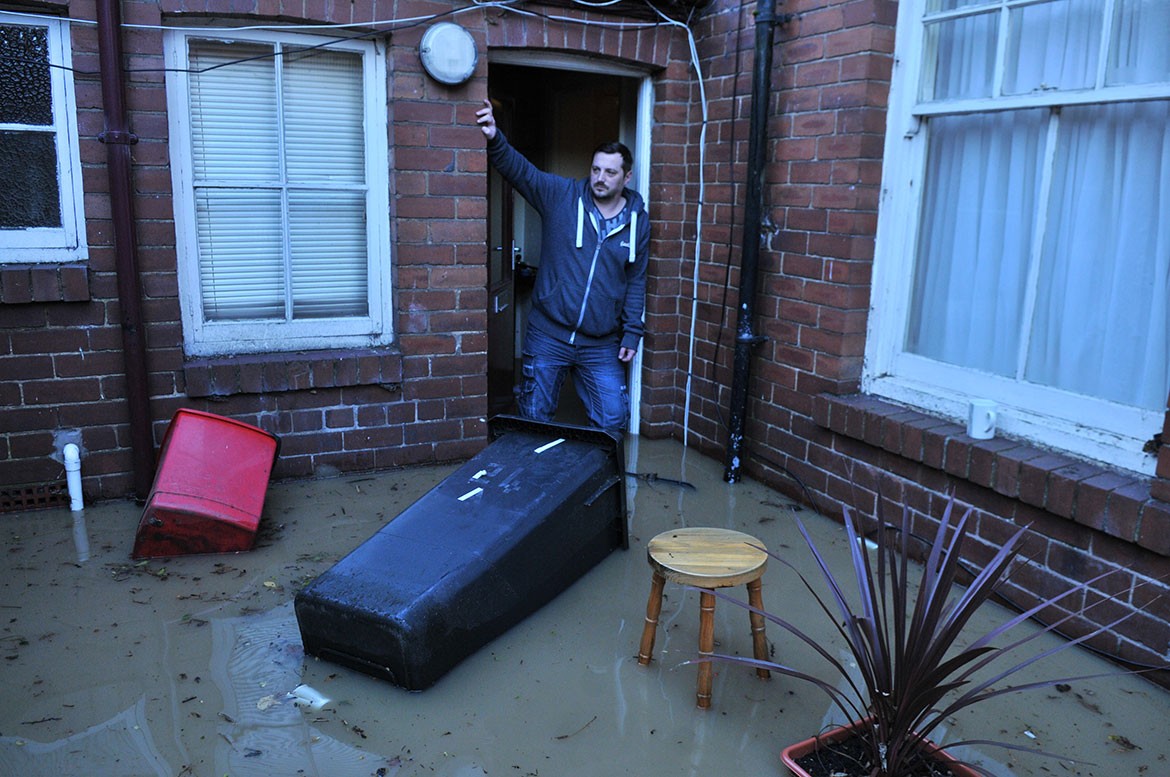
One day, residents were exchanging presents and enjoying turkey and all the trimmings. The next, they were forced to flee their homes as river water flooded in.
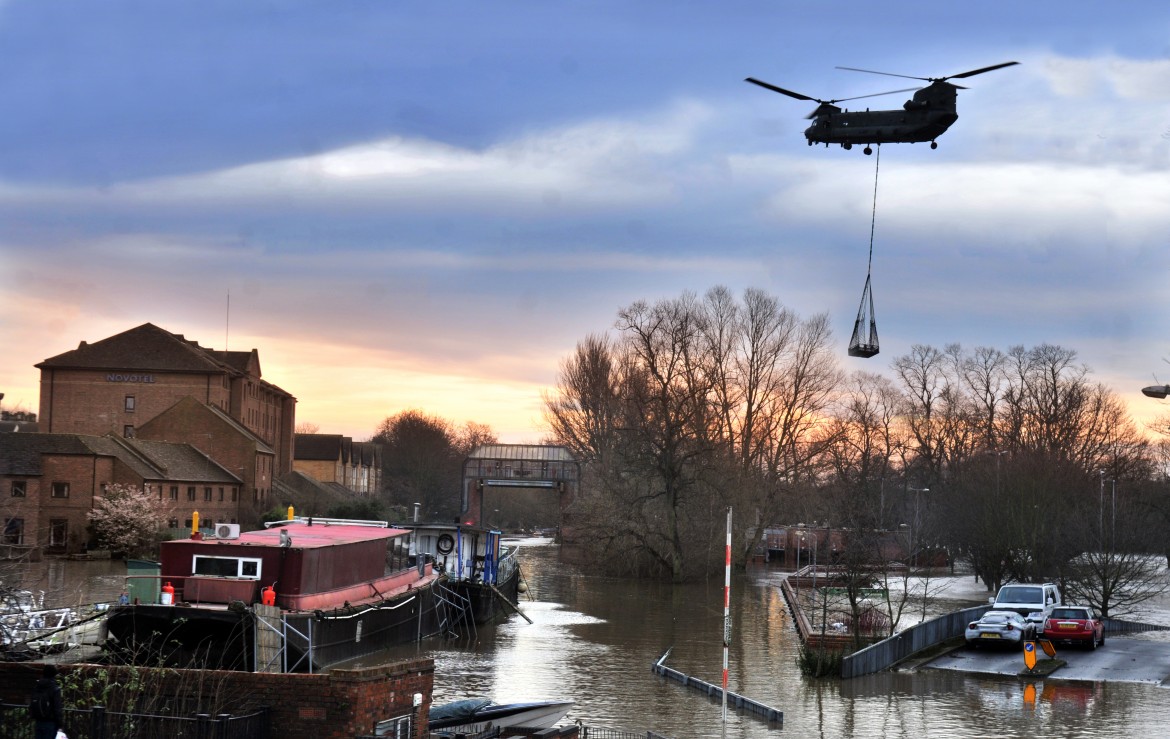
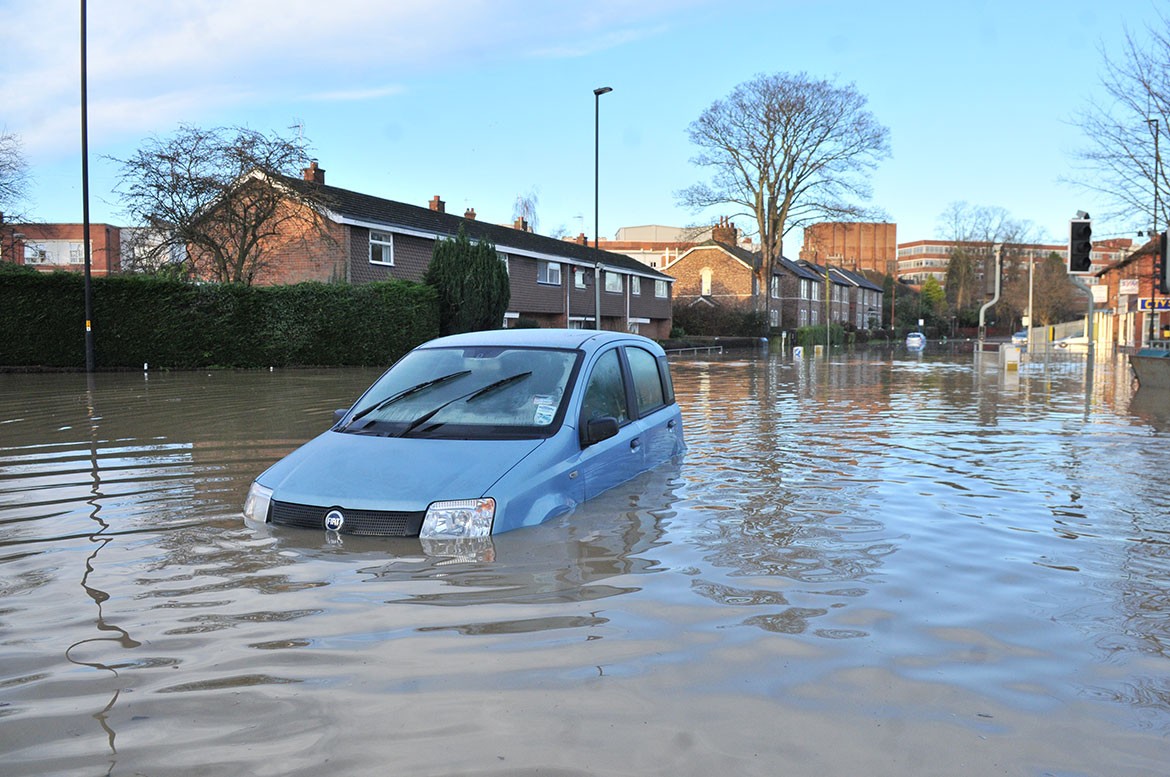
It was Boxing Day 2015, the moment when a perfect storm saw York engulfed by the rising water.
Two named storms, Desmond and then Eva, had unleashed a huge volume of rain across the north of England.
Then, one of York’s key pieces of flood protection, the Foss Barrier, failed. It was lifted on Boxing Day 2015 after water entered the building leading to a danger of electrical failure. That meant the Ouse was being emptied into the Foss.
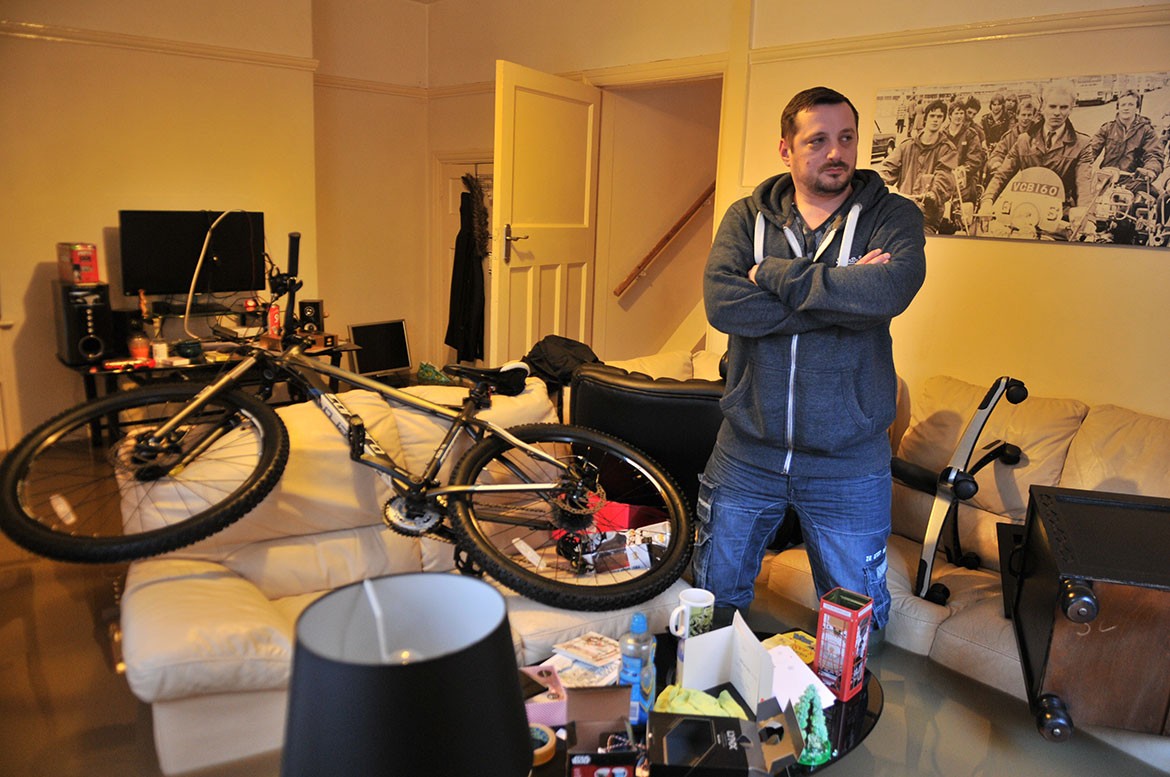
The Environment Agency issued six severe flood alerts for York. Residents of properties near the Foss were told to move valuables upstairs.
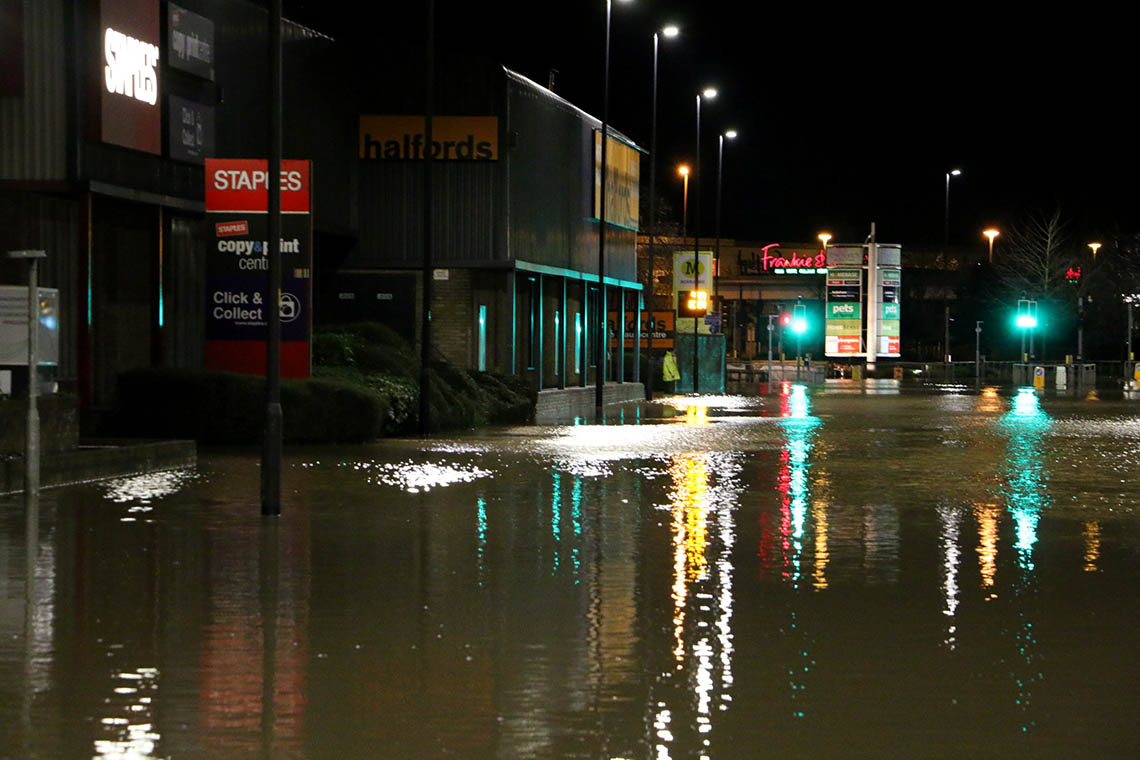
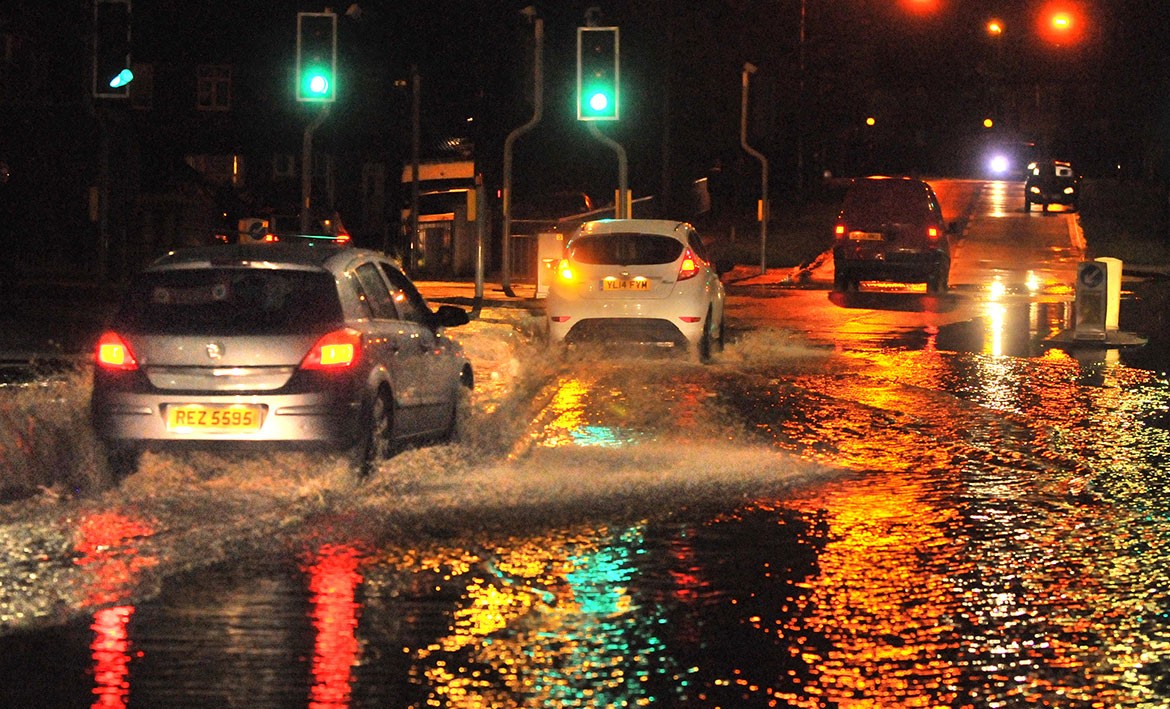
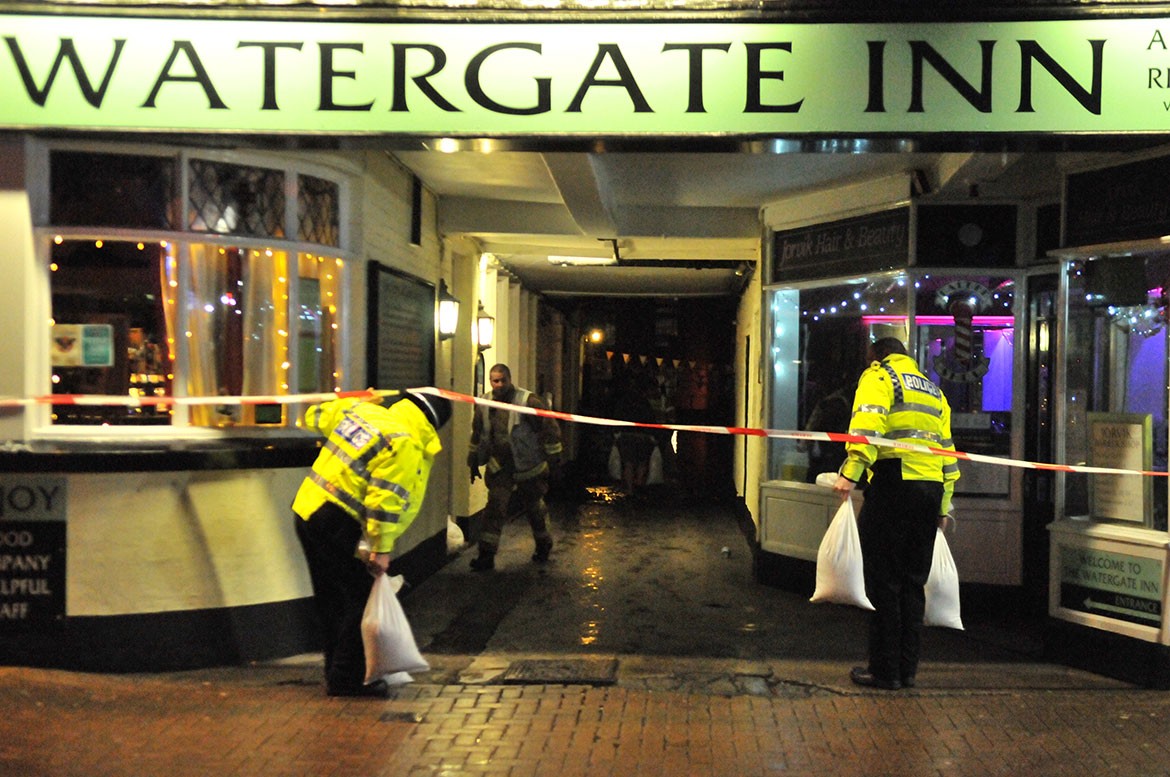
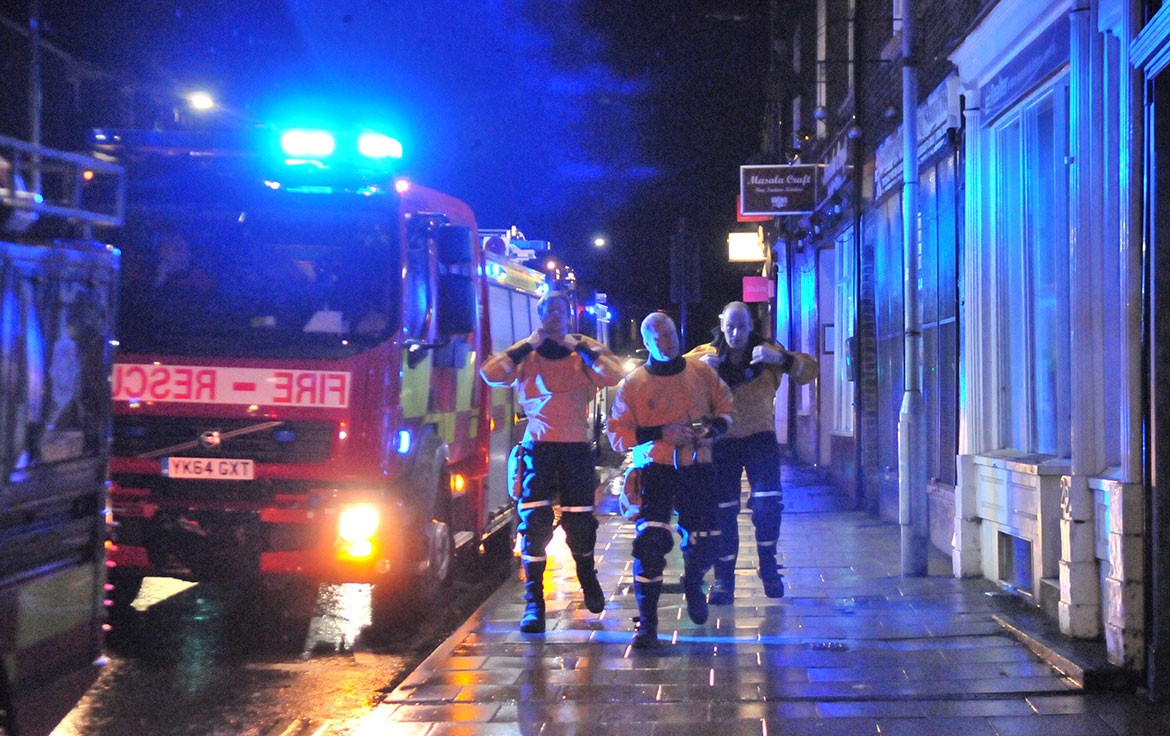
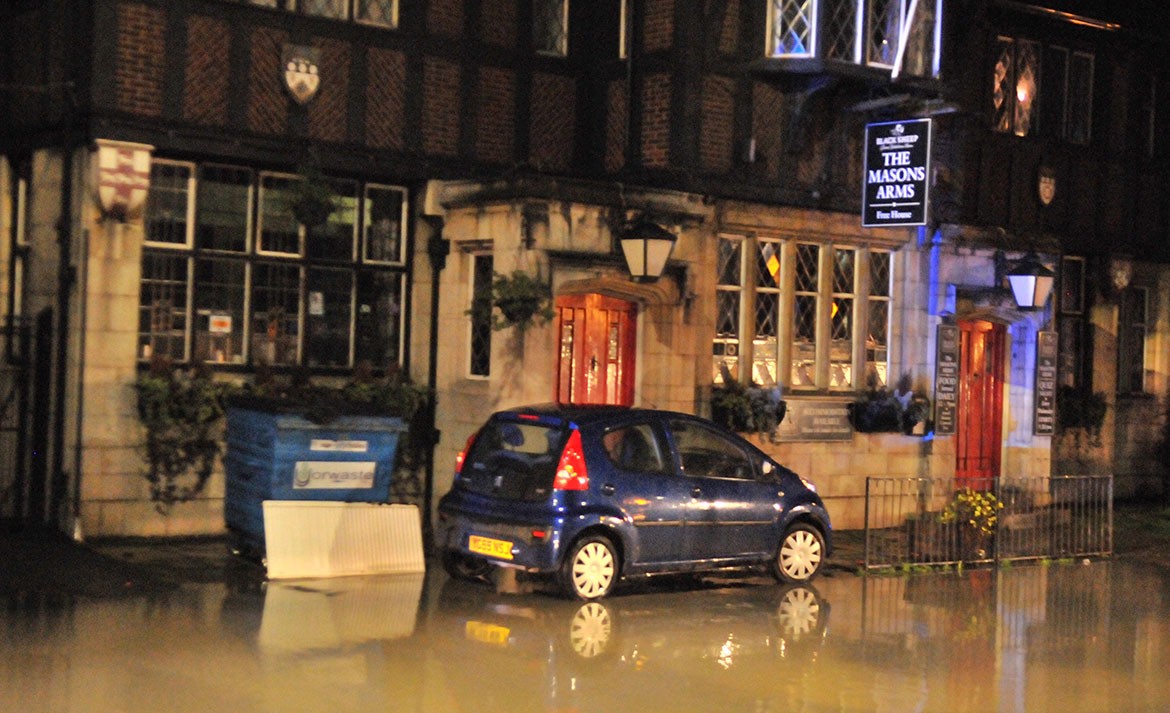
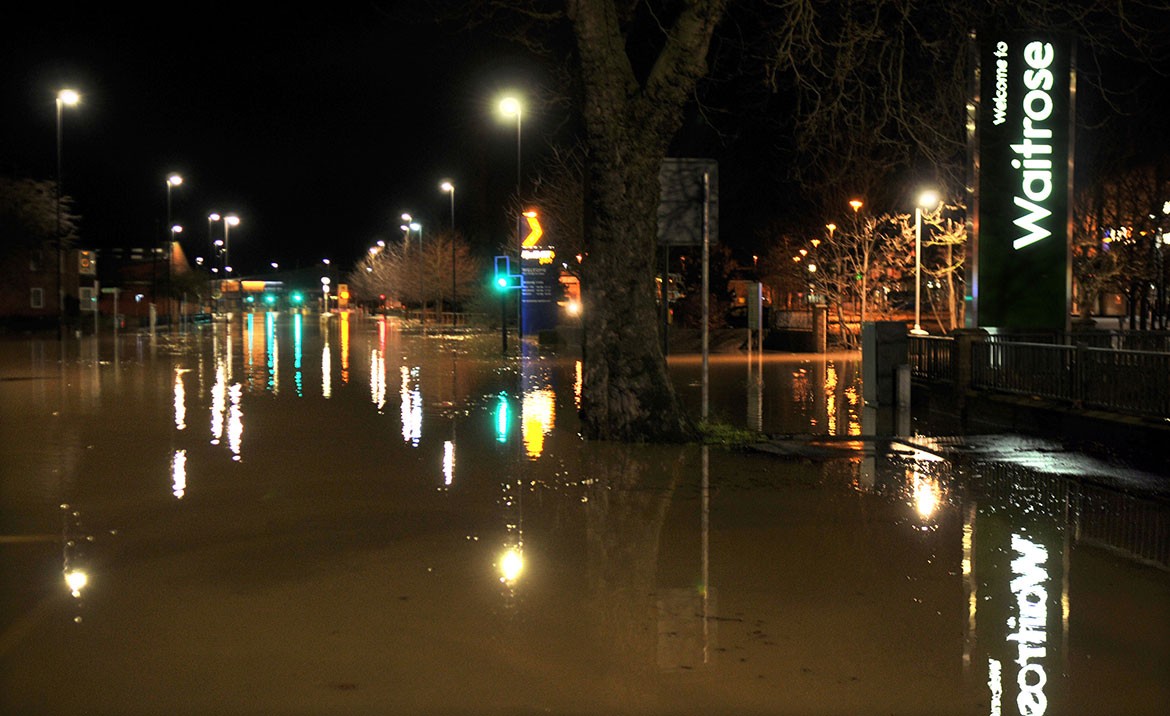
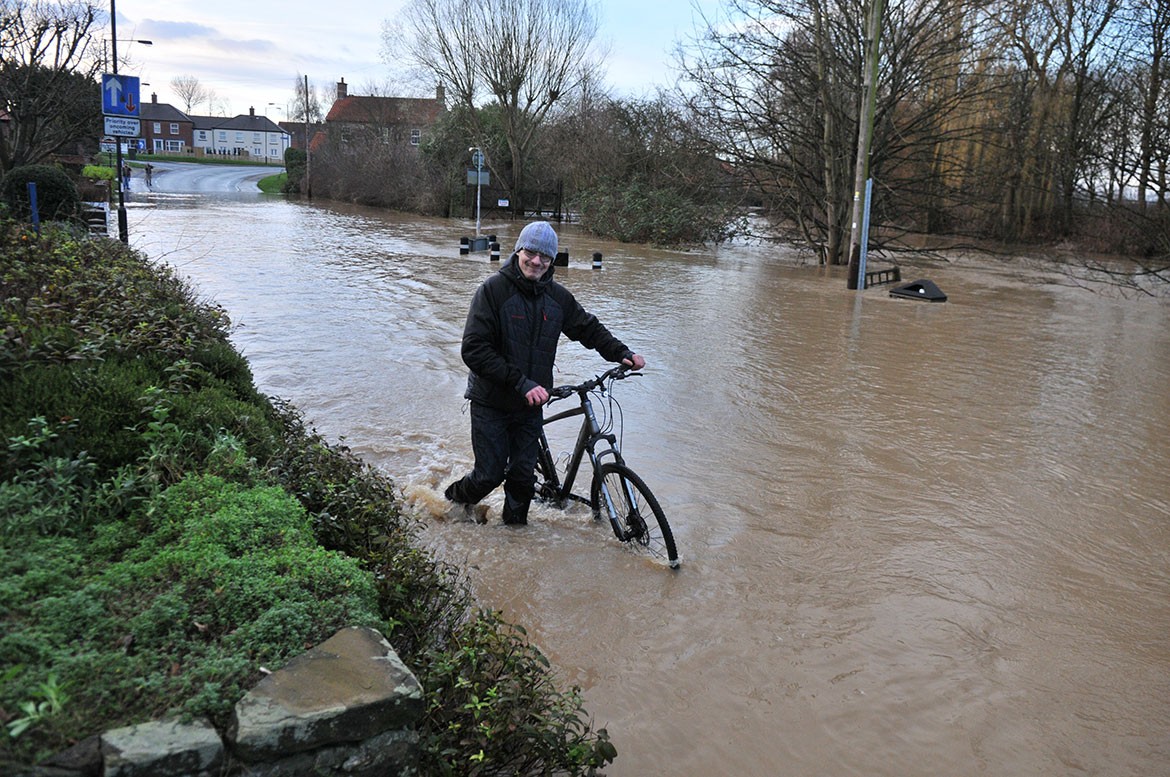
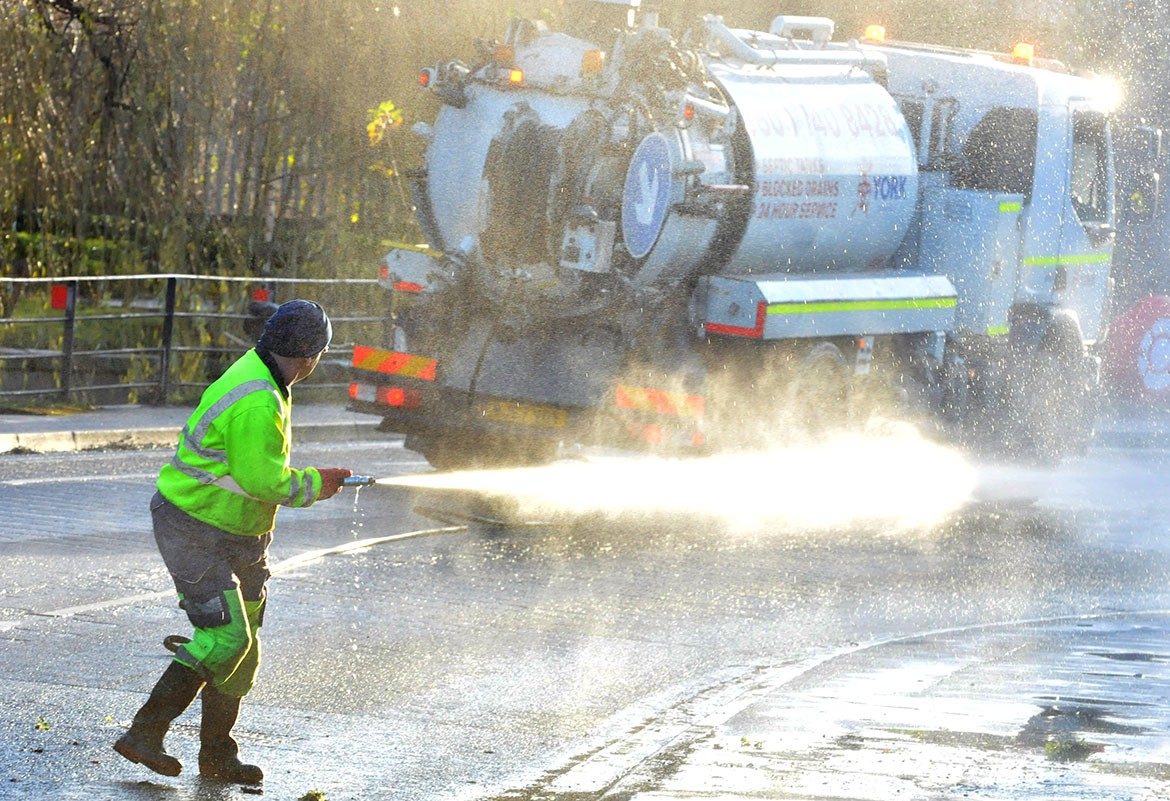
Soon key routes, like Foss Islands Road and Tower Street, were soon underwater. A total of 453 residential and 174 commercial properties were engulfed.
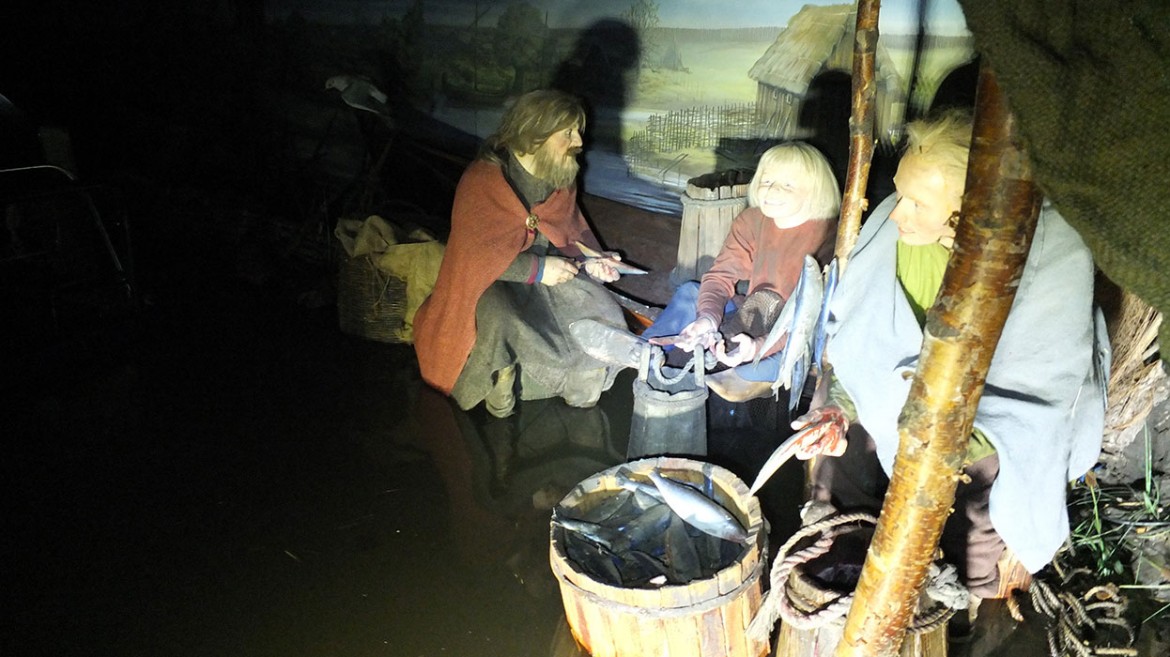
Even the Jorvik Viking Centre was underwater.
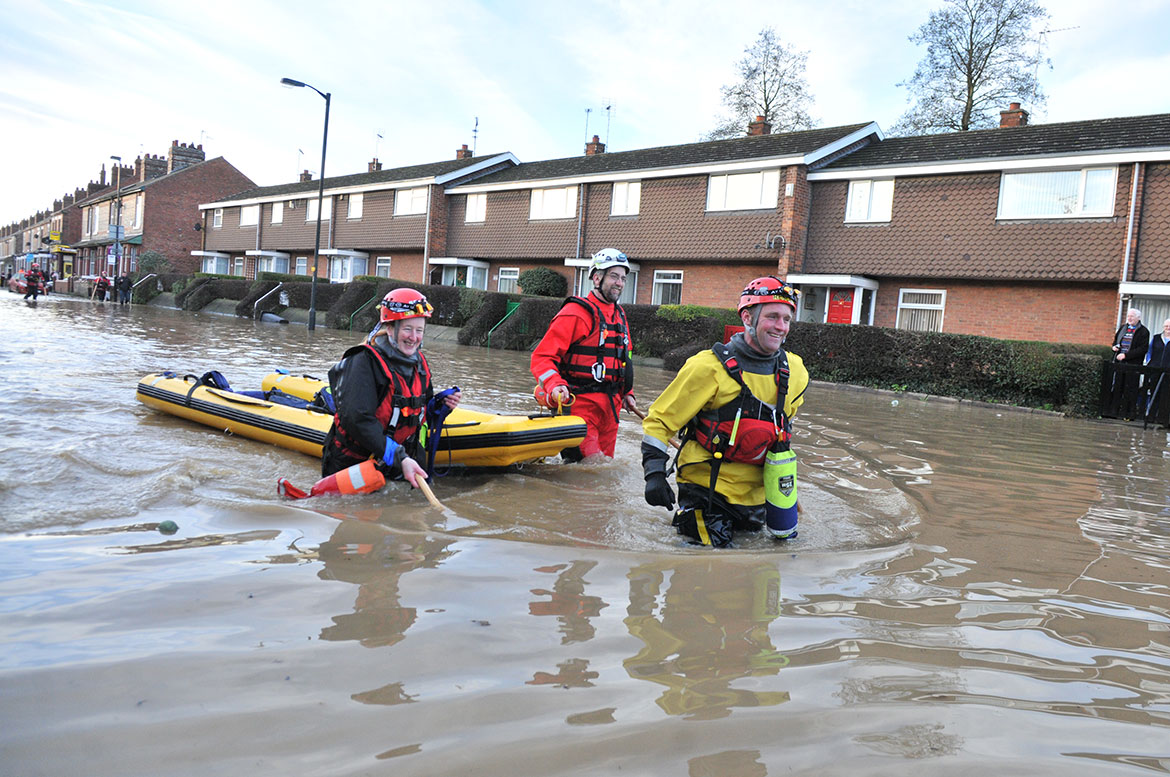
Some residents were rescued by boat and taken to a rest centre set up at Archbishop Holgate School.
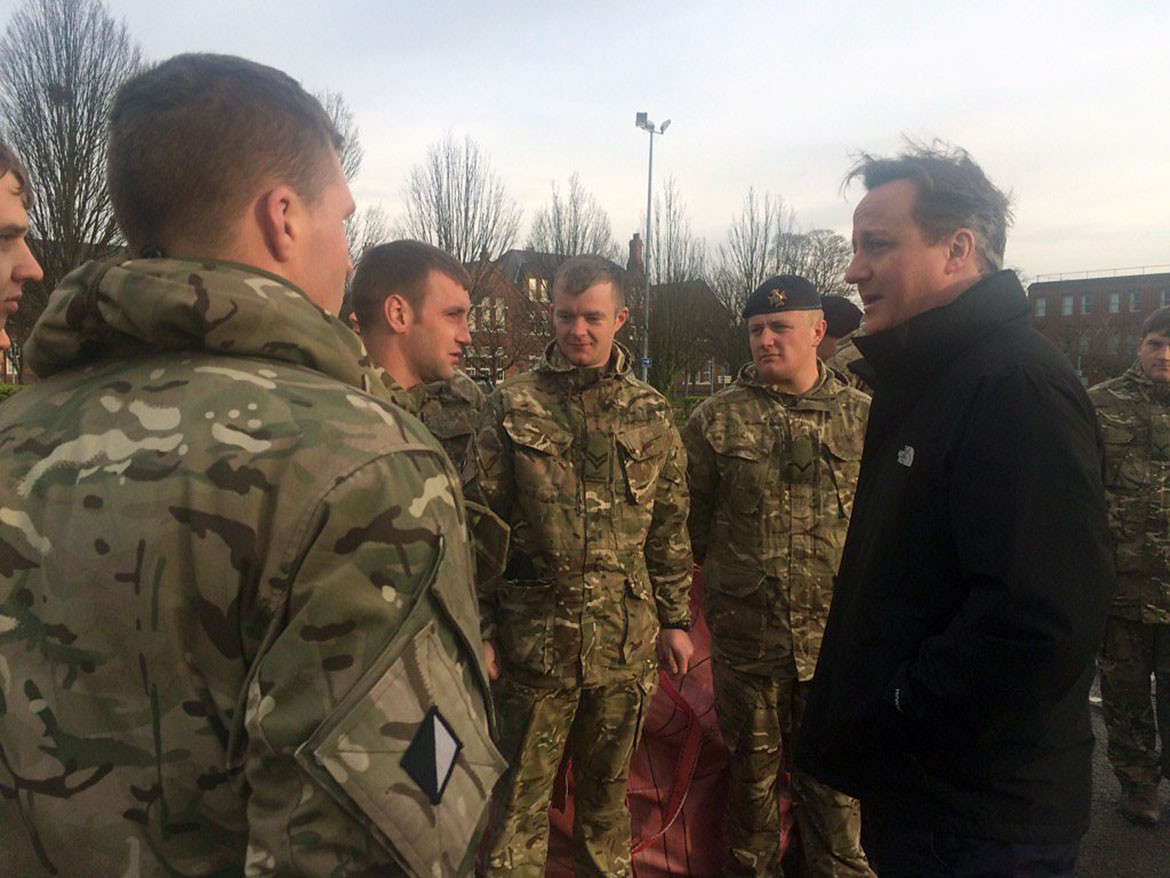
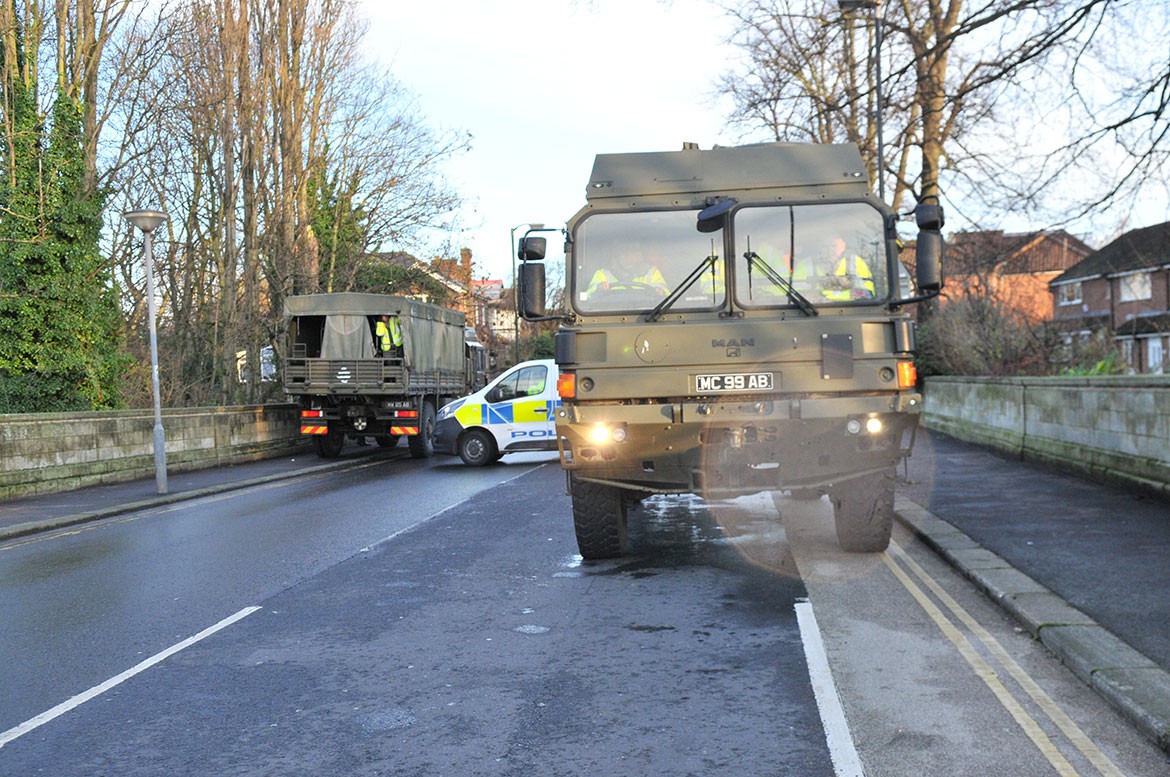
The Army came in to help out with the sandbagging operation.
Floodwaters swamped the basement of the BT telephone exchange on Stonebow, damaging electrical equipment.
This cut landline and broadband to thousands of York people. Mobile networks struggled, an many shops and other businesses could only take cash payments as the card machines went down.
It was a time people will never forget. David Dunning has talked to some of those caught in the middle of the floods drama. You can hear these interviews on his special Boxing Day show on YorkMix Radio.
The business owner
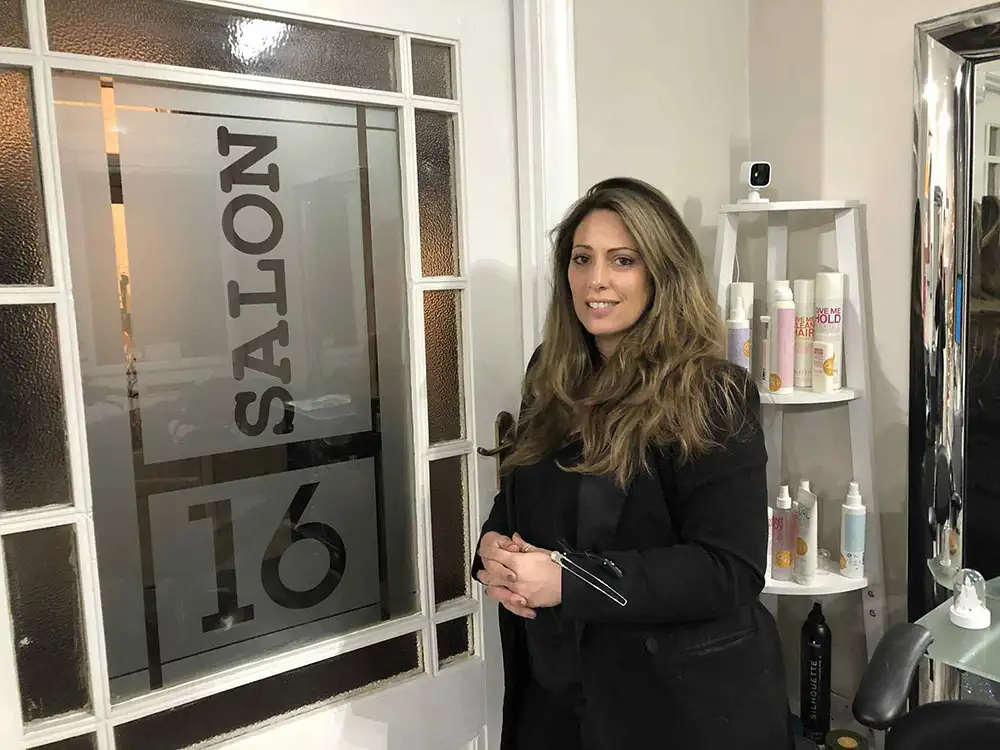
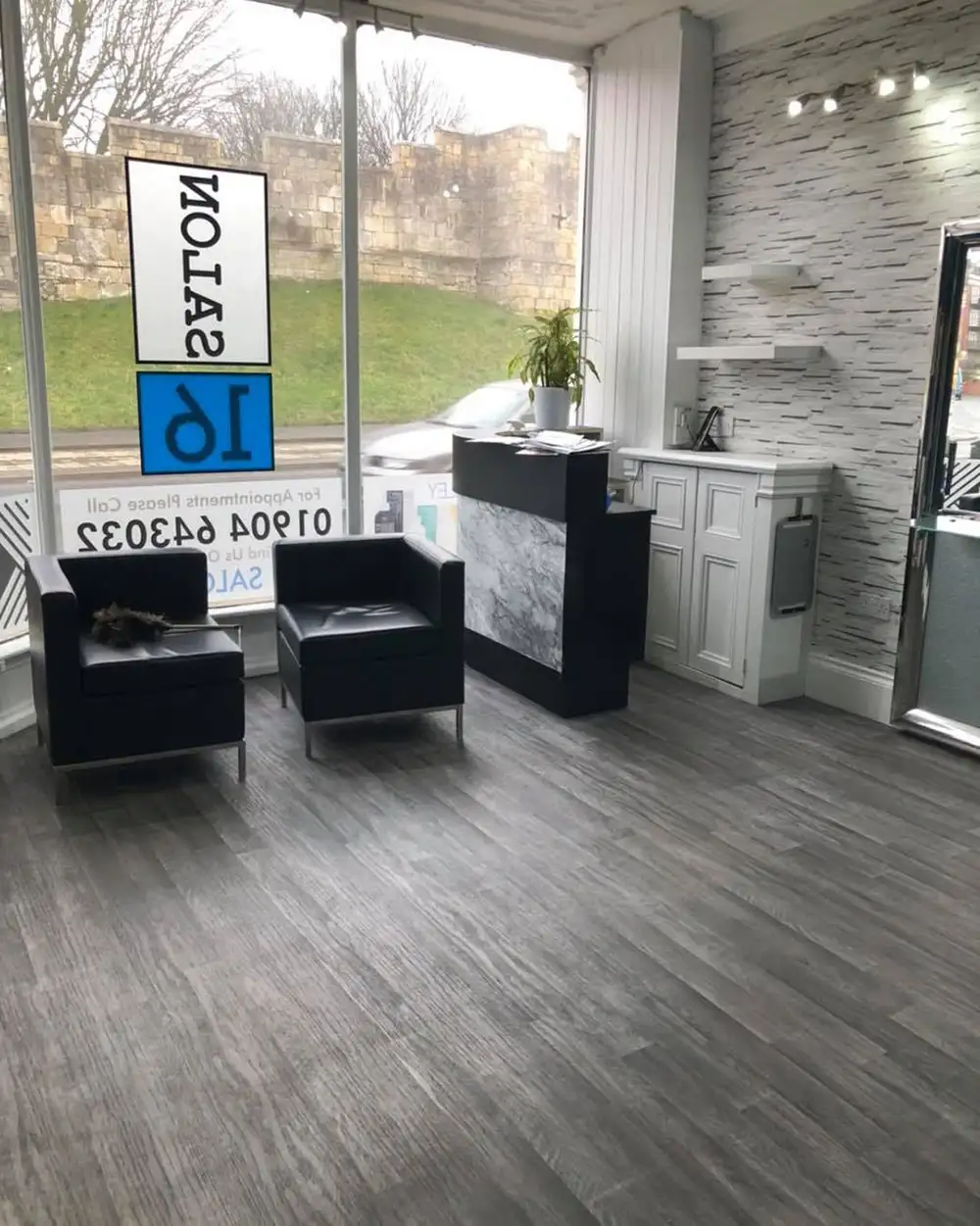
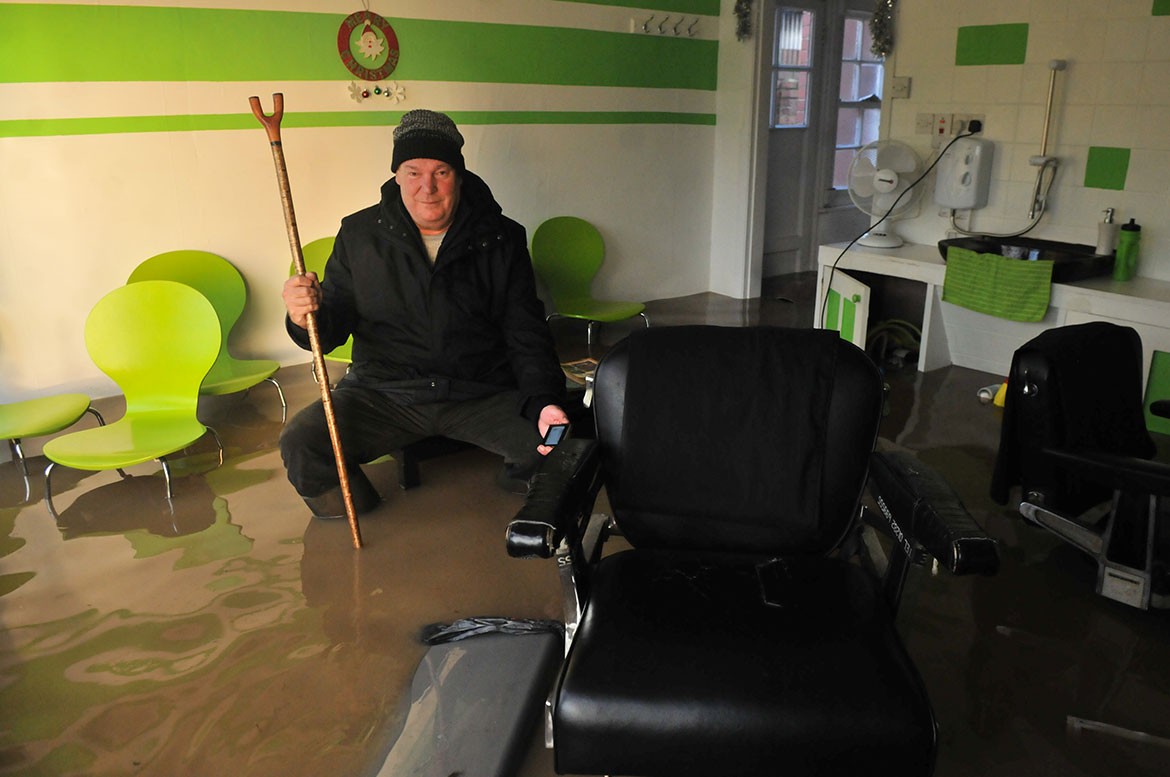
Kerry Snowden owns the Salon 16 hairdressers on Fishergate, York.
She vividly remembers how she discovered something was very wrong. “I found out first thing in the morning by a text message from my sister, telling me basically that the salon was underwater.
“I emptied the car and raced into York. It was a struggle to get into York because the traffic was just horrendous.
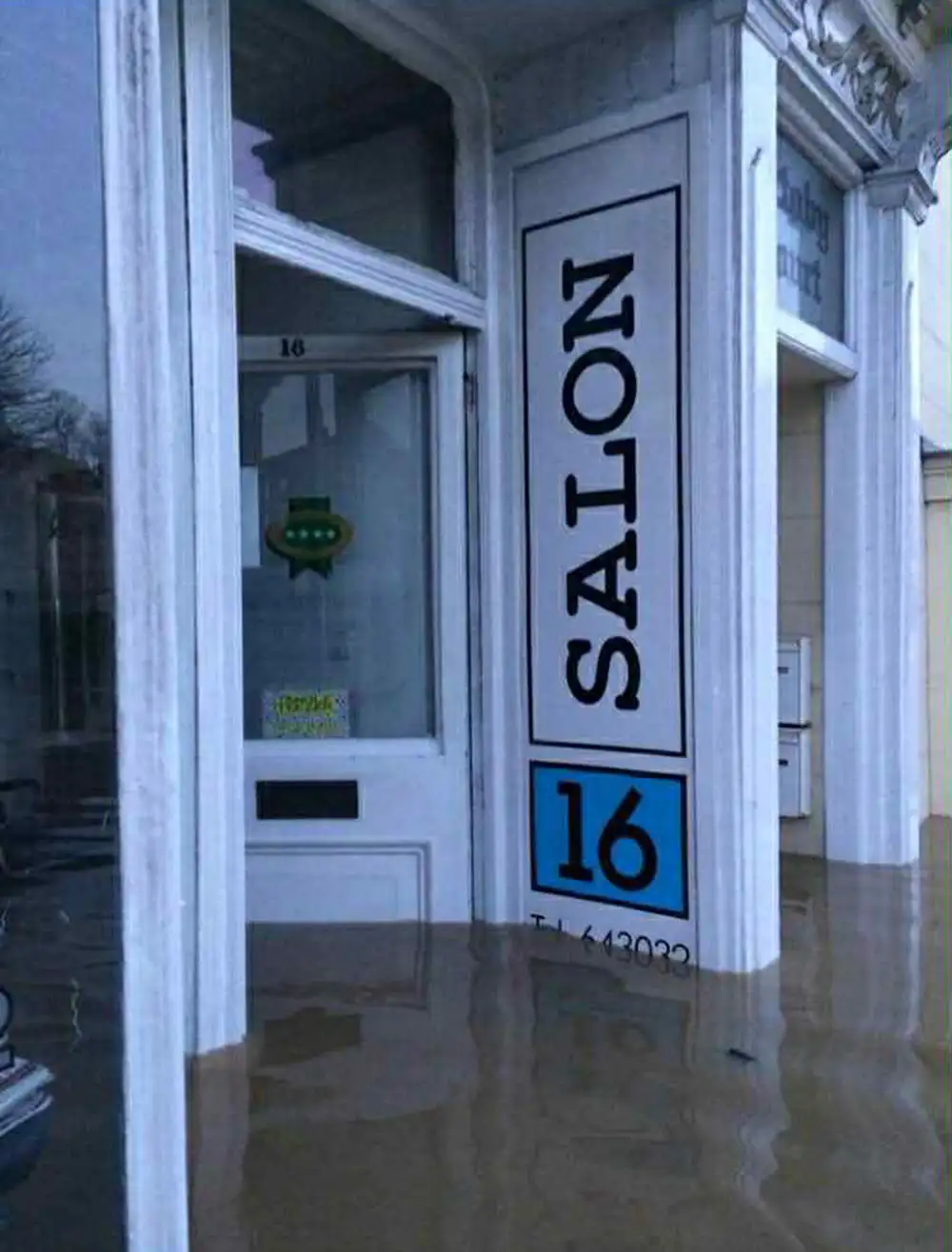
“To see the flood was absolutely terrible. It was heartbreaking, and I was shocked. And you’re thinking, What do I do?”
Kerry said crowds had gathered to look at the devastation.
“The amount of people that were there, they weren’t business owners. They were gawping and staring. And it was my livelihood. I put nearly ten years’ worth of my life into the salon, and then it was just gone.
“There was nothing that I could say or do, and I just broke down in tears. And I’d cried that much that I couldn’t cry anymore.”
It took four days for the water to recede. She said her dad was amazing, helping to clear out the salon of everything ruined by the water and piling it into a trailer.
“The next step was to take it all to the York tip, and that was one stage that I just couldn’t do. It was bad enough putting everything into the trailer.
“But throwing my world, my belongings, everything that I’ve worked for, into the tip, was just the final thing for me.”
Kerry lost almost everything. “The amount that I was able to rescue was minimal in comparison to what I’d lost. I did have insurance, but I didn’t have flood insurance, so I didn’t get a single thing.”
Nevertheless, she wasn’t beaten. She had closed the salon on Christmas Eve. By an heroic effort, she managed to reopen it in time for the business’s tenth anniversary, on 1 April 2016.
And Salon 16 is thriving to this day.
The rescue boat volunteer
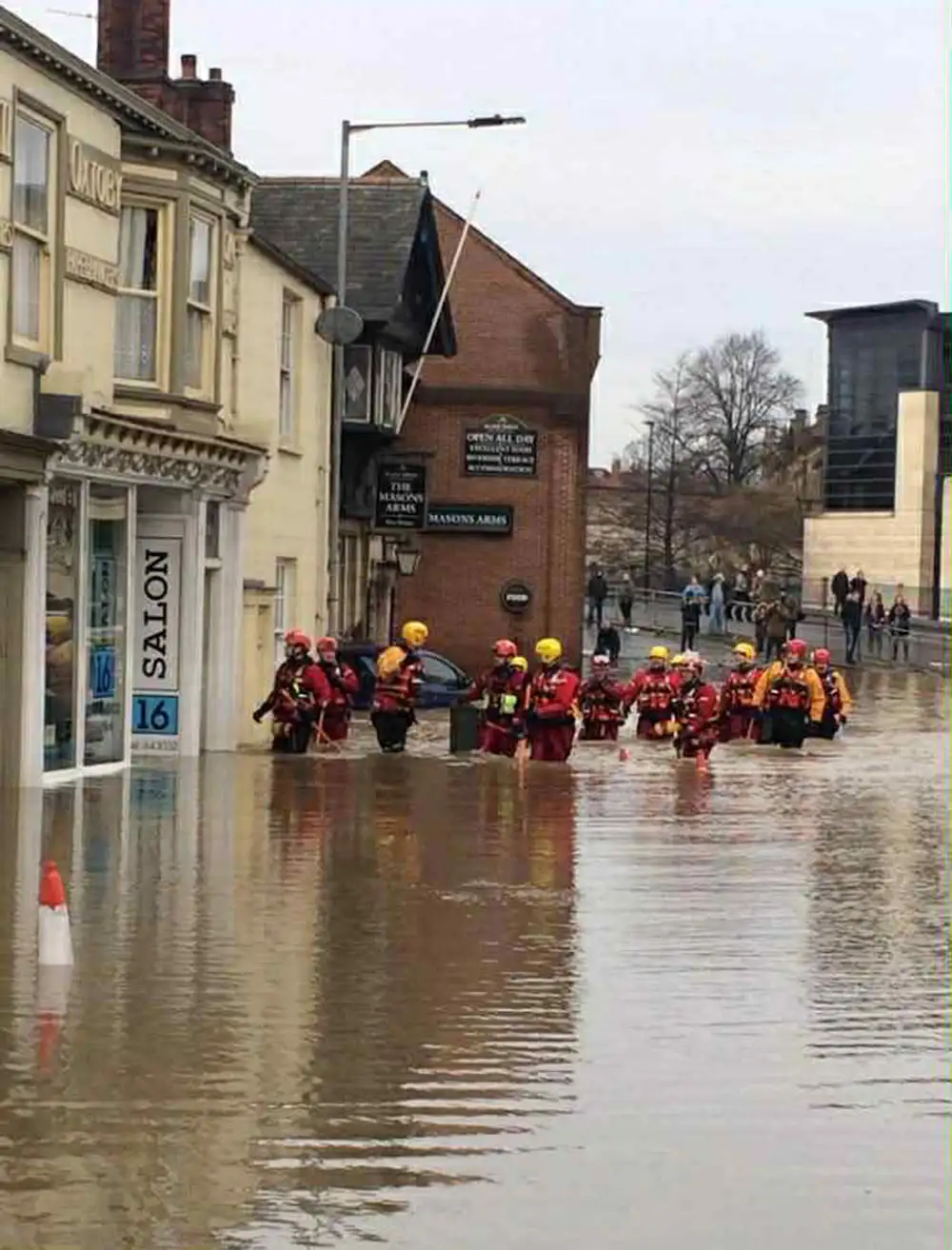
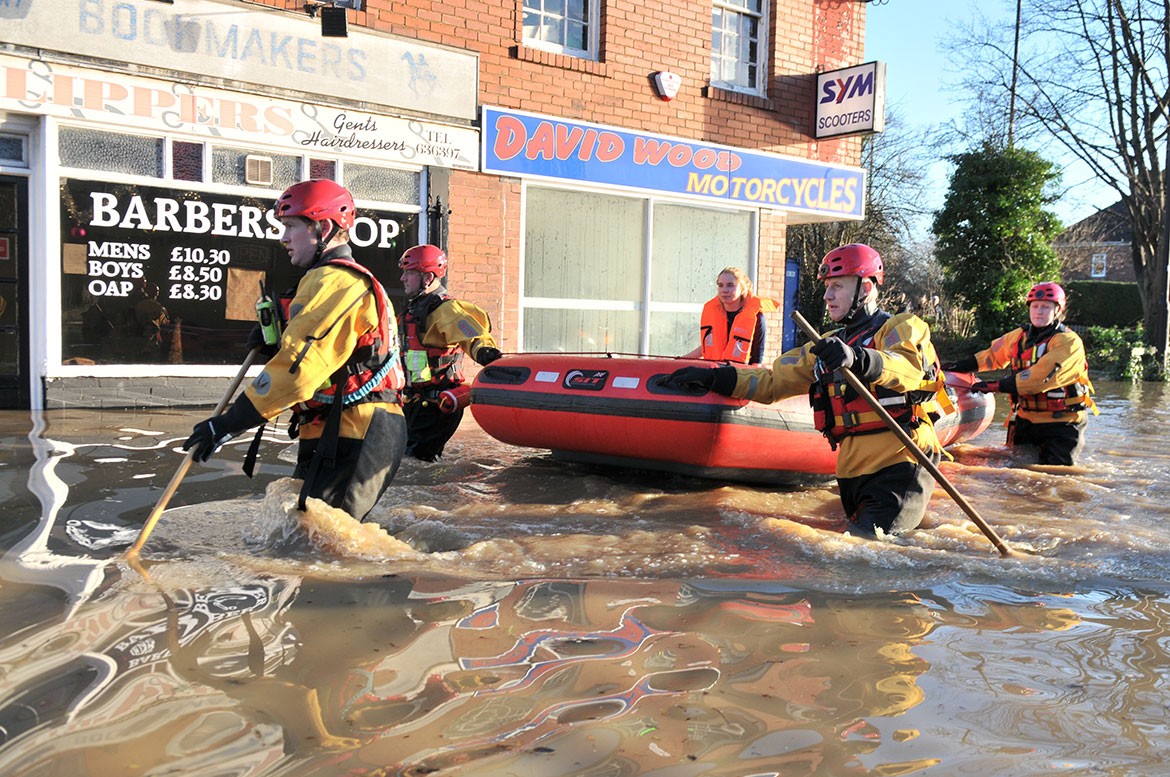
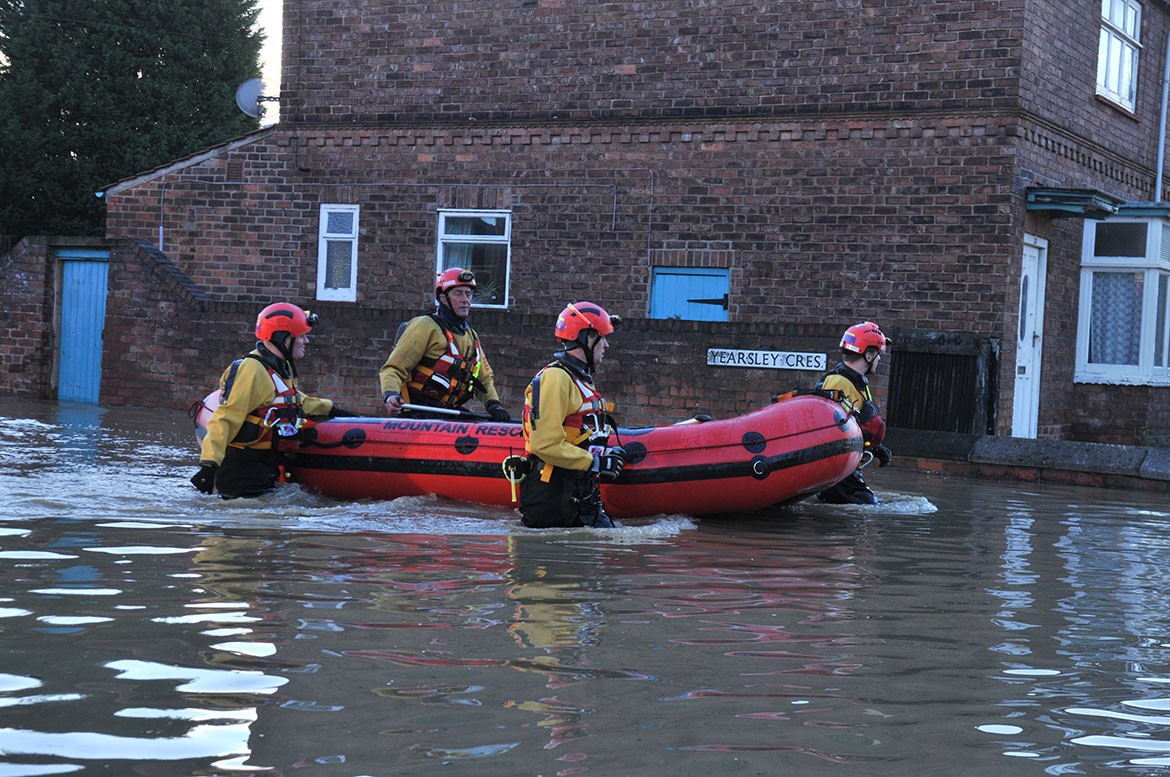
York Rescue Boat had only been going a few months when the floods hit. Mark Mullen from the team said they had been helping out in Halifax and Pontefract before being sent back to their home city.
“You train for every flood eventuality, but there are some things that do take you by surprise,” he said.
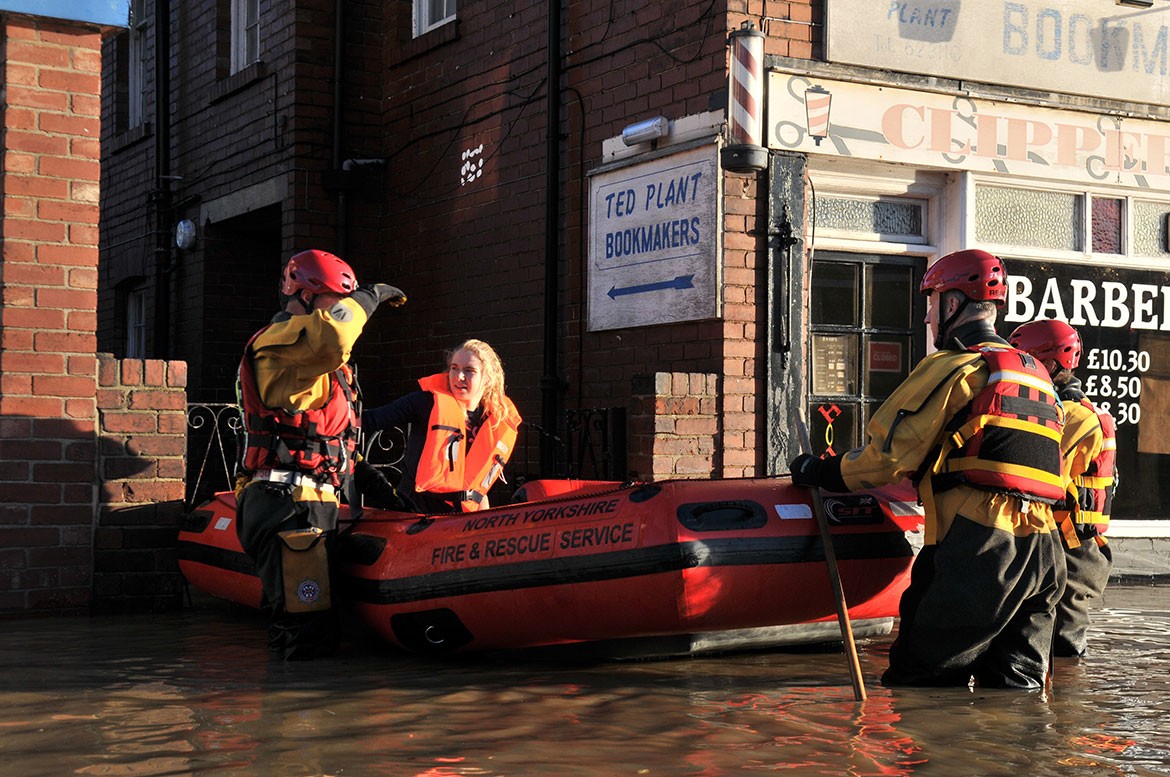
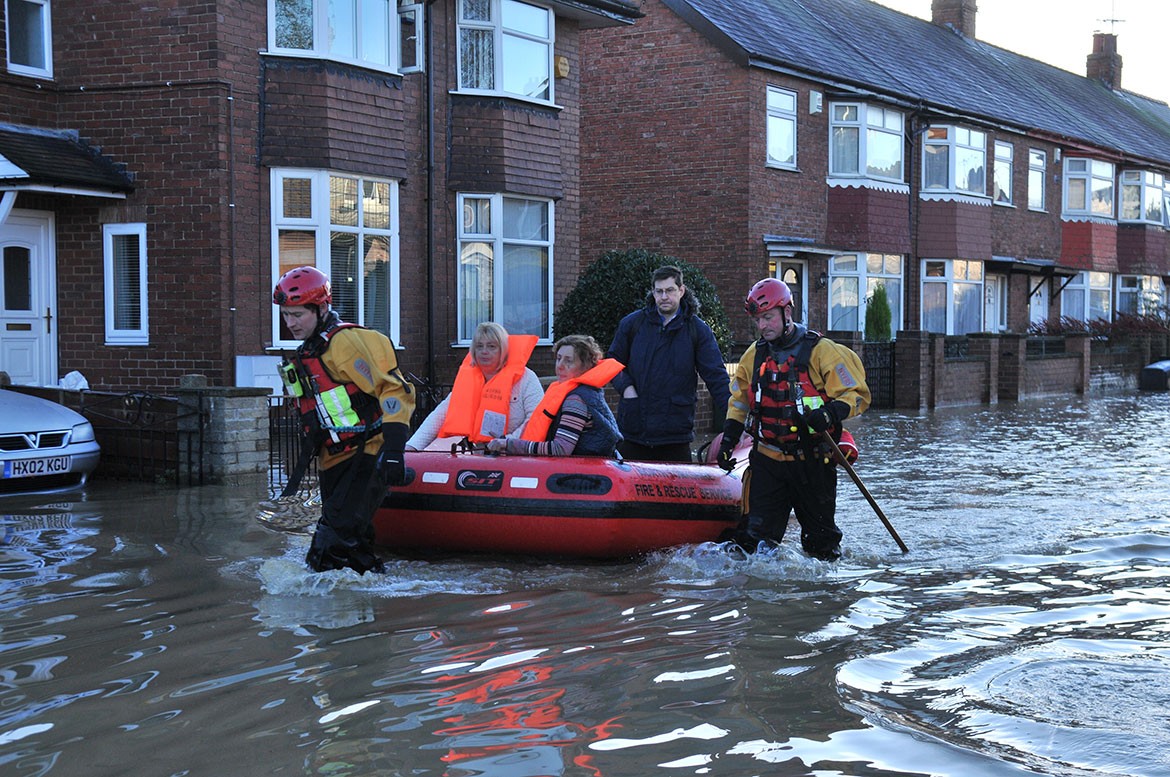
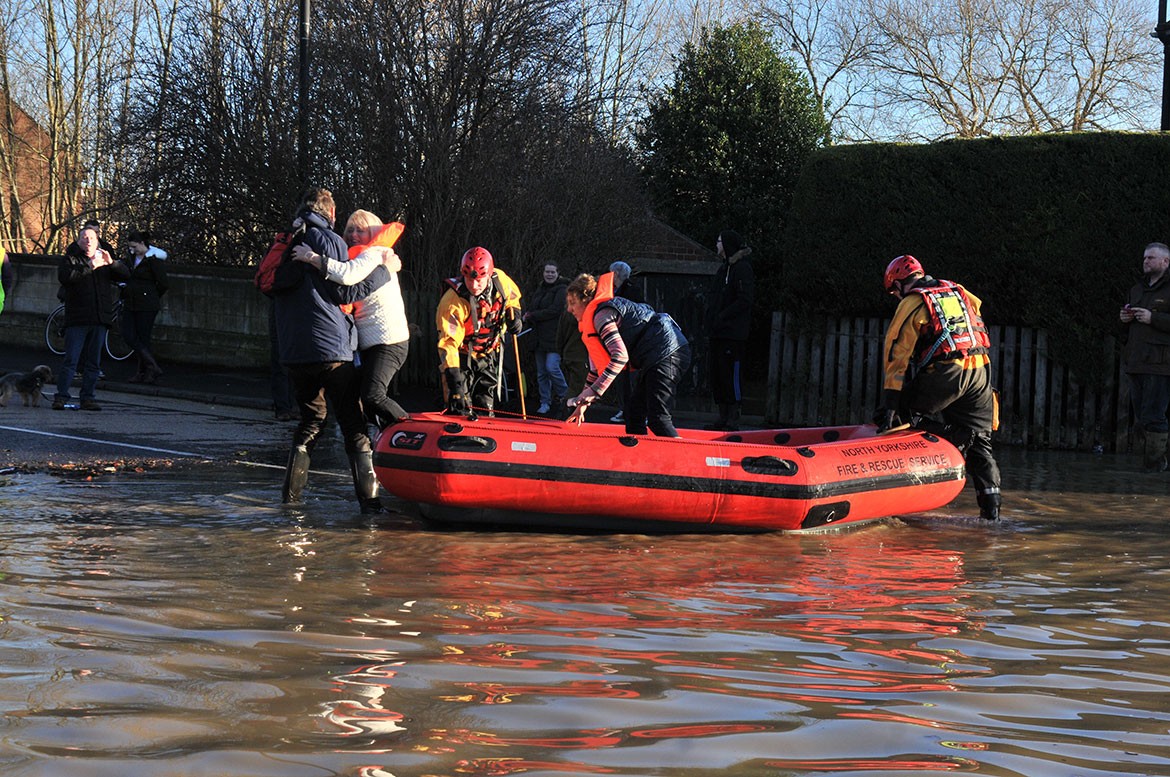
“And up until that point, the Ouse was the one that you watched – then all of a sudden, it was the Foss – and it was the middle of town again.
“As a flood rescue team, you start off with rescues, and you work right away through to taking engineers out to substations to get power back on, delivering medicines to care homes.
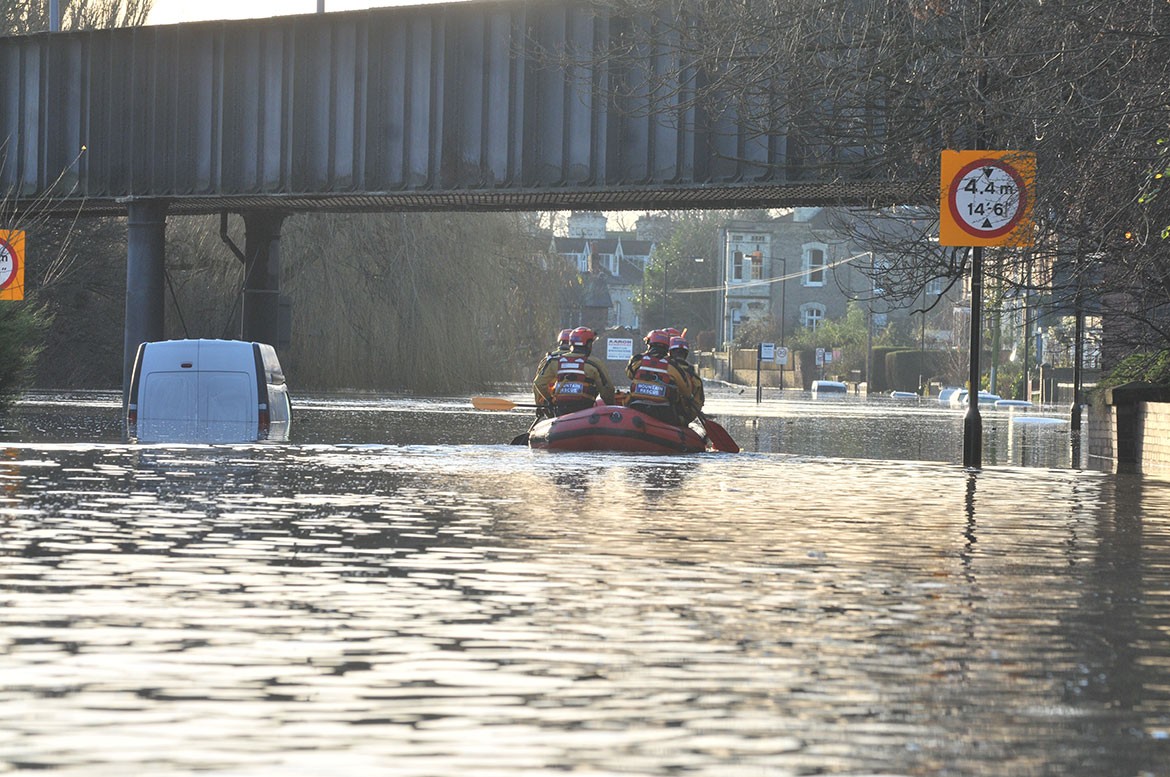
“So it moves in phases, from the real dramatic rescue side through to the more slow-time humanitarian stuff. We had boats in Huntington Road and in Skeldergate, from the Brigadier Gerard down all the way towards Nestle, and we had wading teams waiting neck deep down there.”
Navigating along flooded roads was a treacherous experience.
“I’m a professional mariner. I drive boats for a living, and I’m used to navigating via lighthouses and buoys and harbour lights.
“And all of a sudden you’re going, down to the traffic lights, turn left at a post office. It’s a very strange feeling.
“Navigating the boat around sunken cars and post boxes and railings and all the things that you can hit the boat onto is quite difficult.
“The water is horrible in the flood. You’ve got sewage in there, you’ve got chemicals, you’ve got oil run off. There’s all sorts of nastiness.
“One of the big dangers – when you’re wading, walking next to the boat – is manual covers that have popped off.
“You’re walking in filthy water. You can’t see through, and there is a danger of just dropping down a hole in front of you. So we walk with wading poles and we we tap the ground before we make any kind of movement.
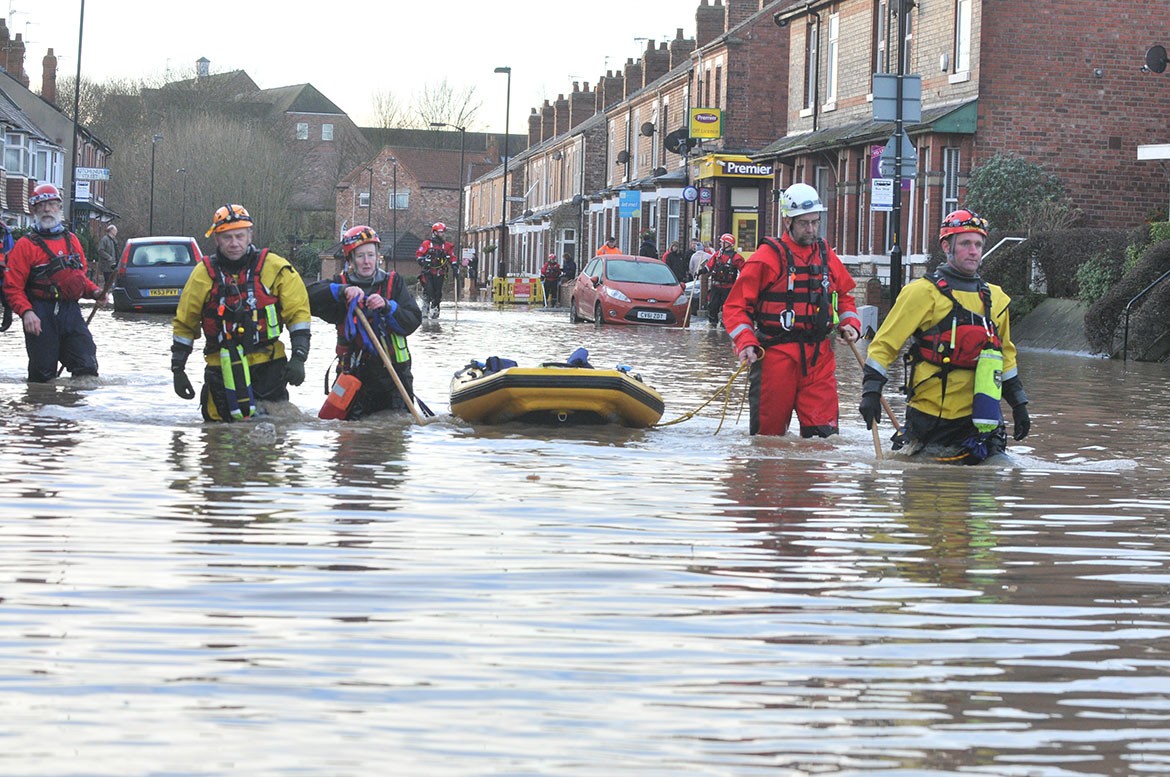
“It’s very, very slow progress. It took three hours to get from the Brigadier Gerard roundabout to through to the junction at the other end.”
But they realised the victims were suffering one of the worst days of their lives, and “you’ve just got to help them the best you can”.
There was a sense of camaraderie, Mark said. “We were wading down Huntington Road, and a lady came out with a gallon teapot! She laughed and said she’d bought it at an antique auction, and she never had cause to make a gallon of tea at any point until she saw us wading neck deep down the road.
“She brewed up a gallon teapot and brought it out and made as a brew, and it was so well received.”
The council leader
Leader of City of York Council at the time of the floods, Chris Steward remembered how quickly the waters rose over Christmas.
“I was very much surprised by the extent to which the floods just came on. I had a relatively normal Christmas with my parents, and then it was obvious that the waters were getting worse and worse and worse, and it was more of a problem.
“On Boxing Day, I had a drive round – and it was obvious I couldn’t really have a great deal of a drive round because so many roads were blocked.”
It soon became apparent that this was a crisis with very potential dangers.
“The city was in such a bad place for that brief period that the emergency services were really concerned about the likes of people being able to get to hospitals and those sorts of things,” Cllr Steward said.
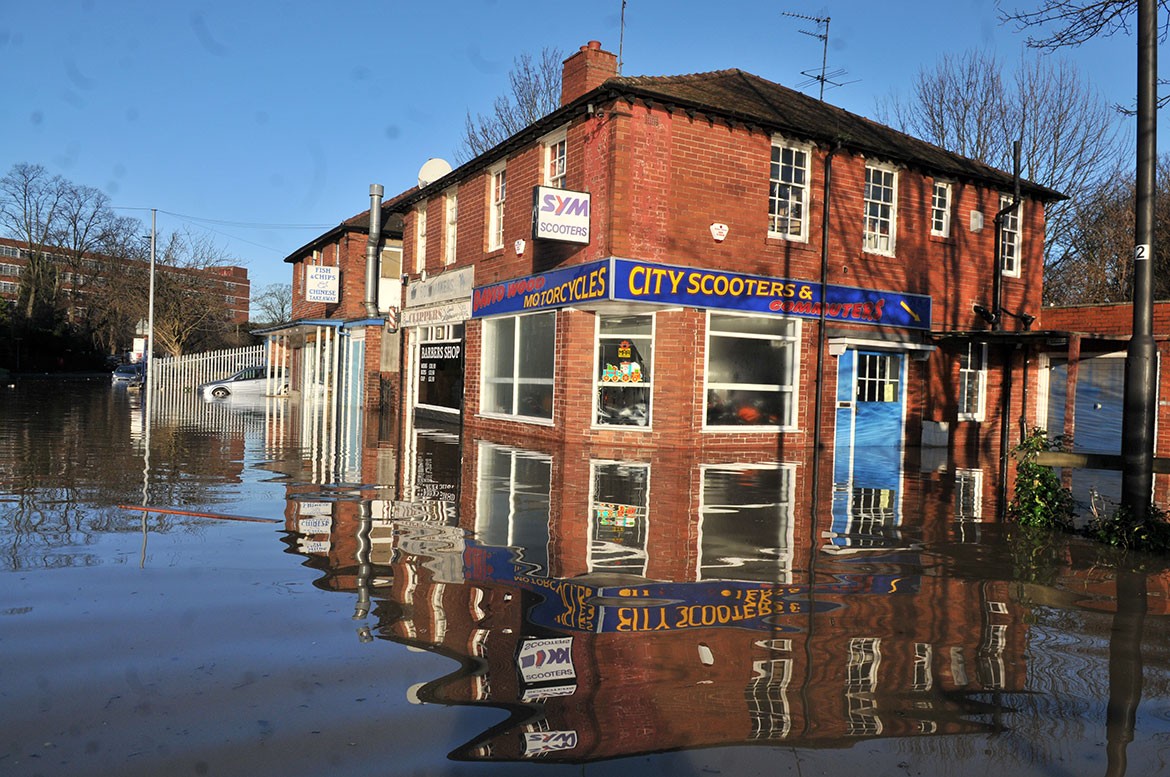
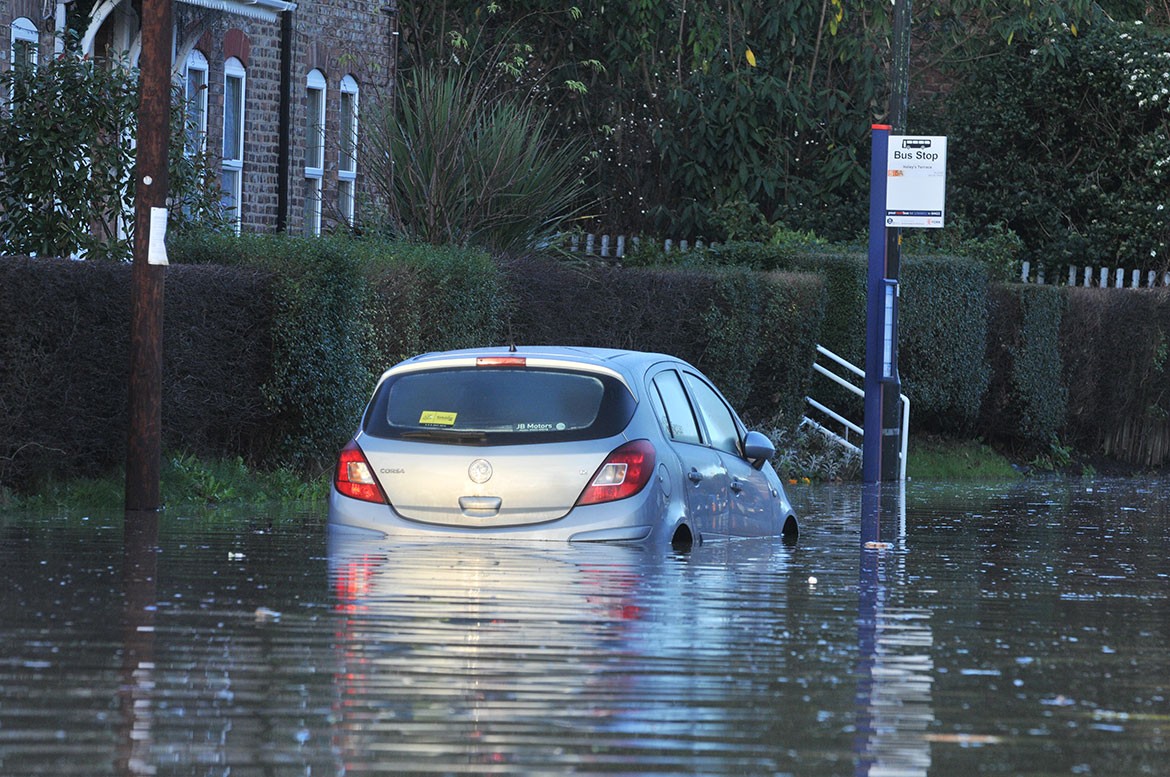
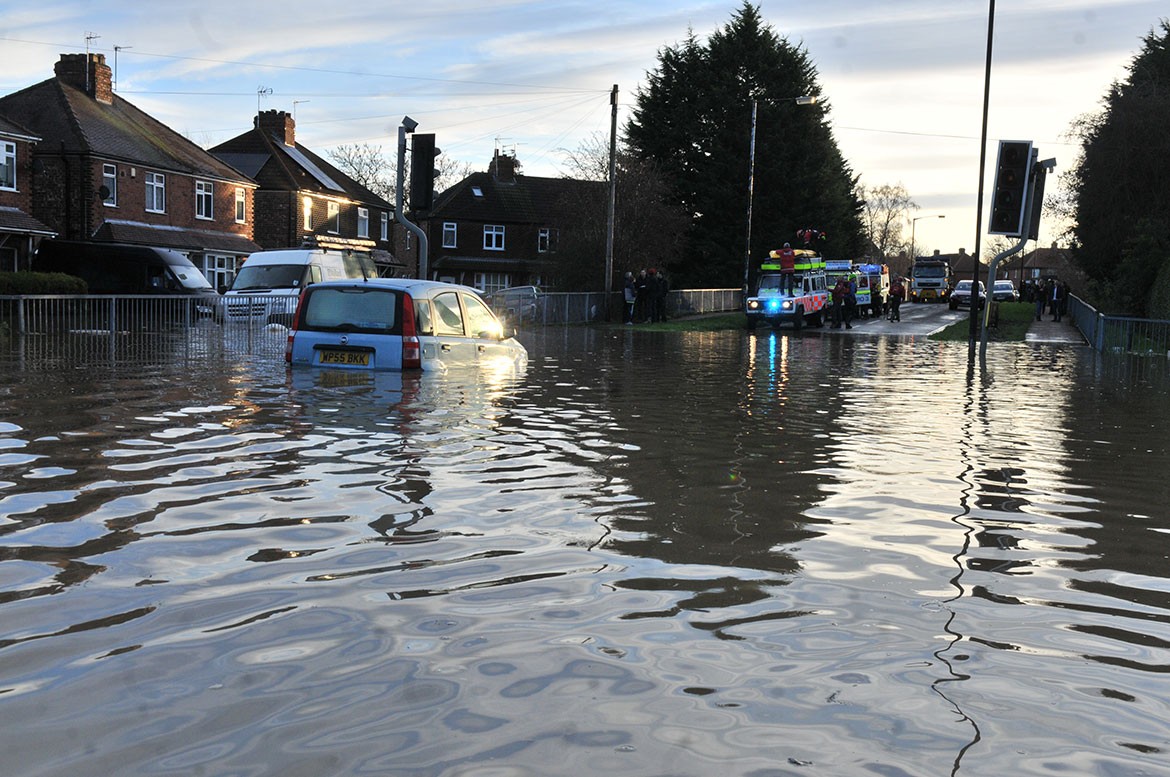
“So the message very much was, don’t come to York unless you absolutely have to.
“That was something they wanted me to help put out. And that obviously wasn’t a message that shop or restaurant owners wanted to be put out, but it was about let’s not lose lives here.”
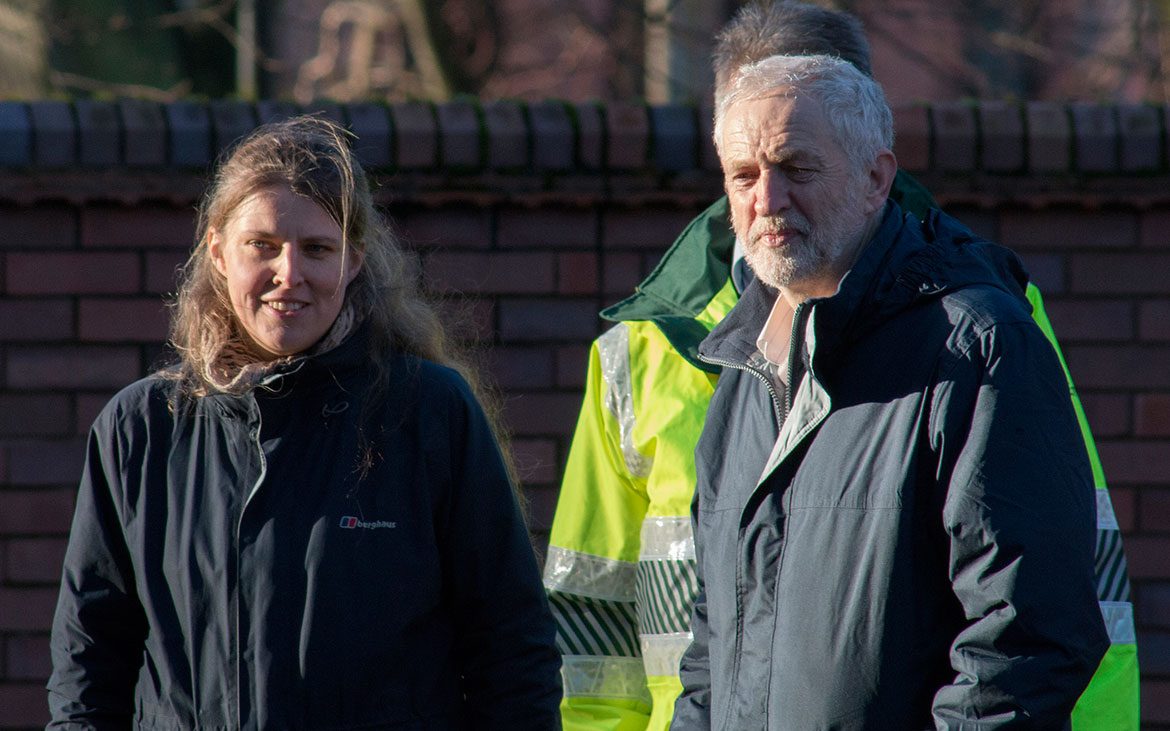
The floods were a national story. “We had a visit from the Prime Minister. Going round in David Cameron’s convoy, as he saw all the sites of the city and saw what had been flooded, was a really great chance to absolutely say direct to power about what the problems we had were.”
The events of those few days were when “we really see just how good the army, police, fire, etc are”.
The reporter
BBC Look North reporter Phil Bodmer came into York after six severe flood warnings were issued for the city.
“The biggest surprise was when we turned the corner near the Brigadier Gerard pub and we saw Huntington Road under several feet of water,” he said.
“We knew there was a major problem. And that’s where the centre of the story developed through the night and into the early hours of the morning.
“I think we got to bed at about 1am and they asked us to be to be back on duty at six in the morning for breakfast news, which we did, and we were among the first to pitch up outside the pub on the roundabout by Huntington Road there.
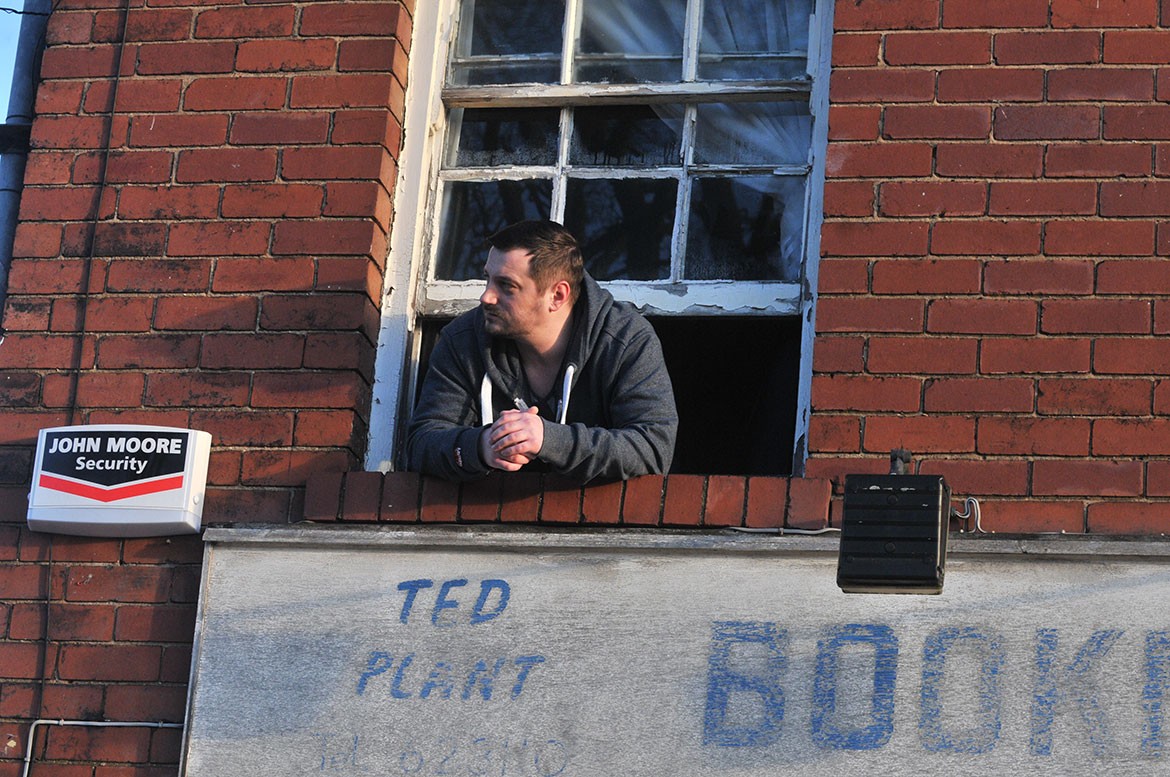
“And before long, it became a major media operation and emergency services operation as well.”
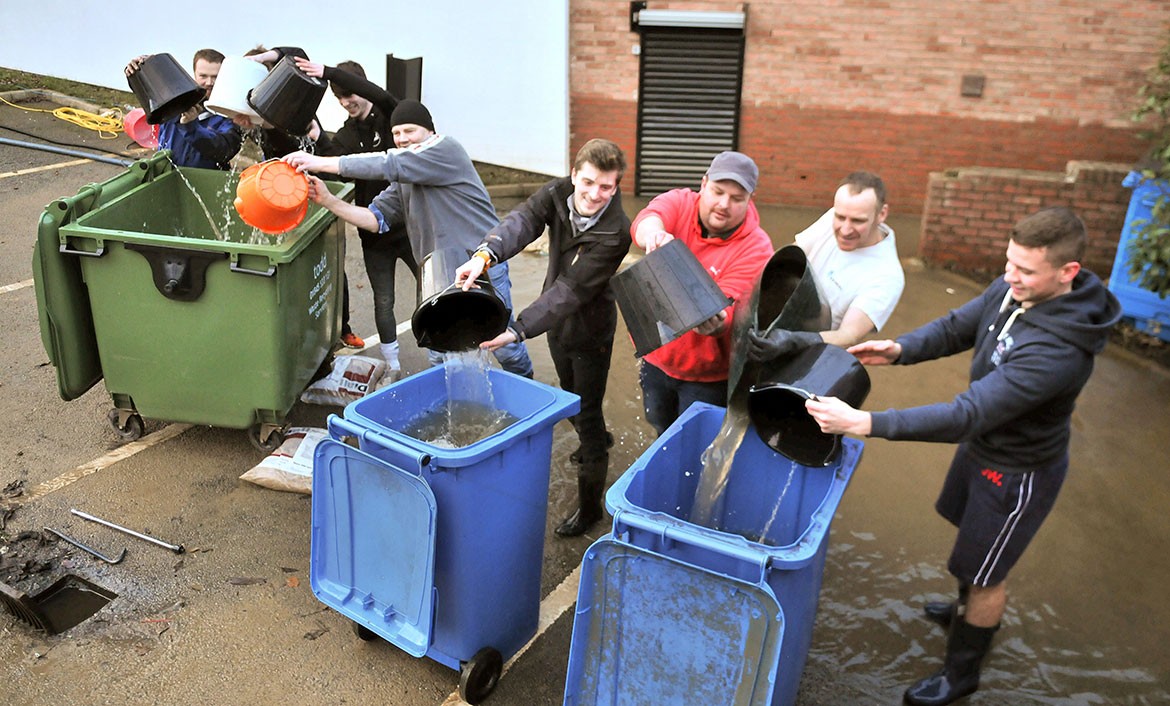
The city came together in the crisis, Phil said, “There was a real community spirit, people helping each other, people coming together.
“There were the rescuers, the fire service. They were evacuating people. There were people with canoes, and other small crafts.
“Huntington Road effectively was a river, and there were people on that river just helping people out of their houses, taking their belongings, their pets and everything to safety.
“So I think what it demonstrated in a really dark moment for the city was the light of how people do come together in times of need and how they respond to a major emergency.”