
Simplicity must be a priority if a visitor levy is introduced in York and North Yorkshire, a new report concludes.
The study by York St John University found that while a Tourist Tax could potentially raise between £26m and £52m a year, significant practical challenges would need to be overcome first.
The report, which was commissioned by the York and North Yorkshire Combined Authority, noted that administration of a levy represented a major challenge, particularly for small accommodation providers.
Simpler models, such as a flat-rate charge per night, would reduce bureaucracy but could create concerns about fairness between different types of accommodation and visitors.
The report found: “The policy involves clear compromises between revenue generation, administrative simplicity, fairness, and competitiveness, and no single model fully resolves these tensions.
“Revenue allocation, governance and stakeholder engagement will be critical to the levy’s acceptance and long-term success.”
Researchers noted that there was no strong evidence that a levy would significantly reduce overall visitor numbers, particularly in established destinations.
However, they said it may have uneven effects, with rural and more price-sensitive areas potentially experiencing greater impact than others.
“Comparable schemes in Manchester, Edinburgh, Amsterdam, Paris, and Barcelona provide evidence that modest levies can raise substantial revenue with limited negative impact on visitor numbers when designed well,” it added.
The report recommends a cautious, structured approach before any visitor levy is introduced, rather than hurried implementation.
Suggestions include carrying out a full feasibility study with economic, legal and governance analysis, alongside detailed modelling of potential impacts across York and North Yorkshire.
It also stresses the importance of engagement with businesses, residents and tourism operators to build understanding and gather feedback.
A plan for how any revenue would be used is highlighted as essential, with a focus on visible improvements for tourism and local communities.
The visitor levy proposals have faced strong opposition, particularly from local accommodation providers and rural businesses who fear it will deter domestic customers and families on tight budgets.
Several MPs and North Yorkshire councillors have also raised concerns about the plan.
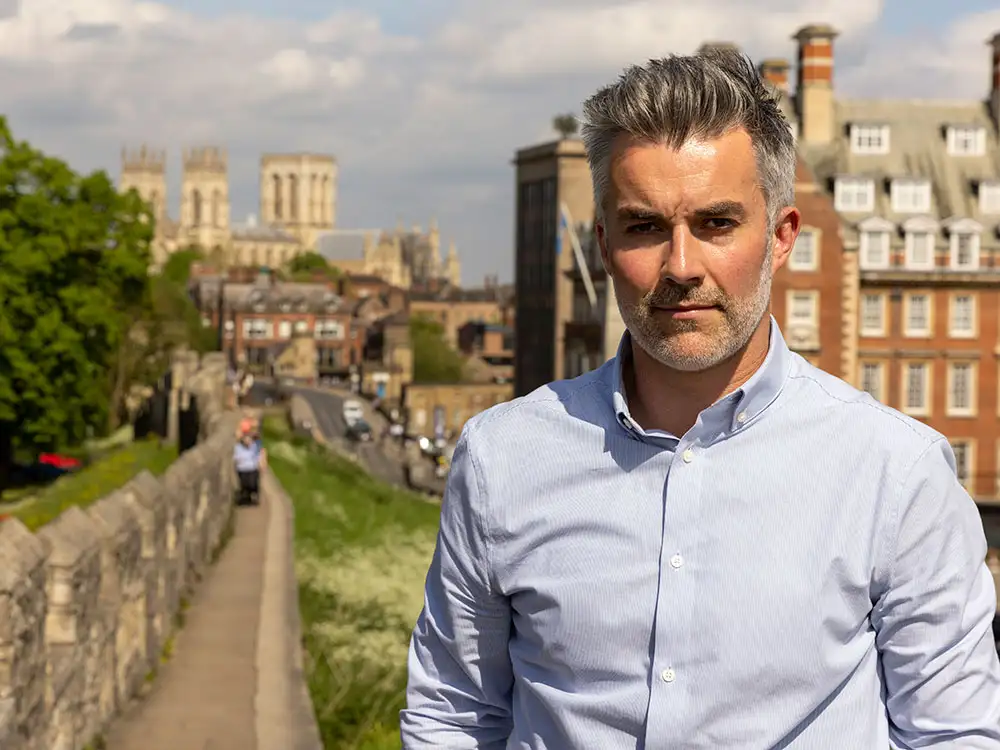
But York and North Yorkshire Mayor, David Skaith, believes it would be “game-changing” for the region.
He said: “Even a modest fee could allow us to support more bus services, invest in making our county a better place for everyone who lives, works and visits here, and help us to attract more visitors to our beautiful county.
“This report, the first from our Policy Lab with York St John, sets out the possible benefits and risks of introducing an overnight visitor levy and underpins my commitment to explore introducing this transparently and in partnership with our residents, businesses and the visitor economy sector.”
New laws enabling English mayors to introduce visitor levies are currently progressing through Parliament.
The earliest implementation date is likely to be 2027/28, the report says.