
York Castle Museum has long been renowned for its stunning period Christmas decorations on Kirkgate, its famous Victorian Street.
This year, York Castle Museum is showcasing over 200 years of Yorkshire Christmases – from Tudor mince pies, sixteenth-century yule logs, Georgian sugar decorations, Victorian traditions and folklore, and even festive displays of black and gold Biba designs on the Sixties Street.
The Period Rooms, a series of rooms replicating bygone eras, are dotted throughout the museum and give visitors a glimpse into the past.
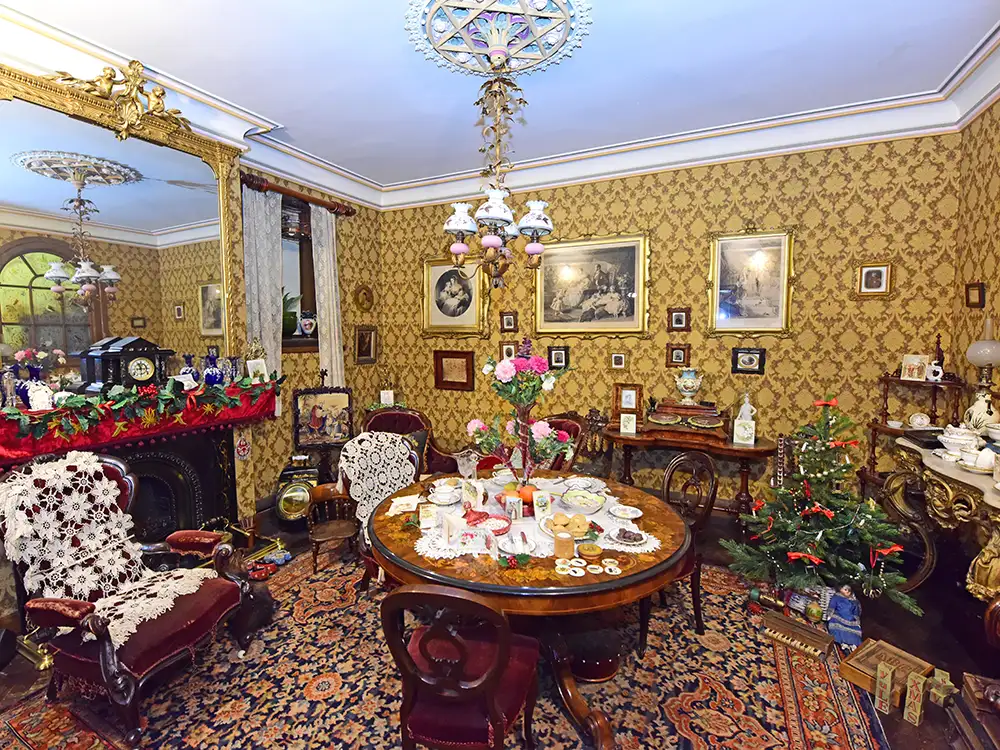
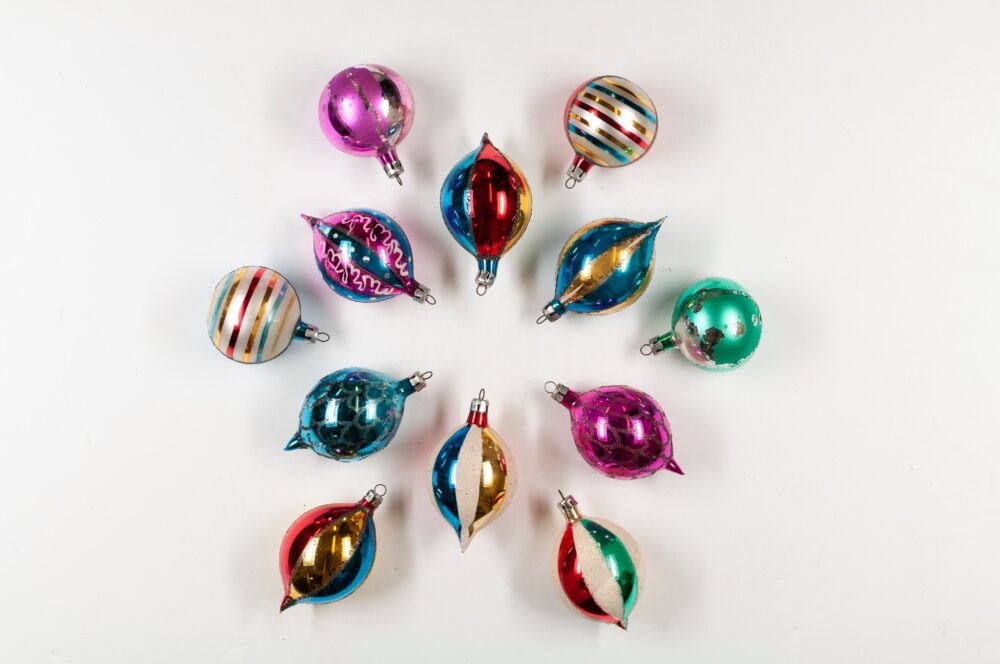
The Victorian Parlour depicts a late nineteenth-century Christmas, complete with authentic Christmas cards, paper chains and a tree decorated with some historical glass baubles. Glass baubles began in sixteenth-century Germany, as strings of glass beads, with the invention being attributed to glassblower Hans Greiner. From there it developed into a cottage industry where whole families would make glass decorations together. Germany remained the main importer of glass baubles until the early twentieth century.
Glass decorations are often made from blown glass, taking incredible skill, and are very fragile and lightweight. These types of decorations started to become popular in England during the 1880s and ranged from the classic bauble shapes to intricate pinecones, Christmas bells and delicate Father Christmas’, examples of which are held in York Museums Trust’s collection.
Prior to the arrival and popularity of the festive trees and baubles, Christmas traditions and decorations looked quite different. The Moorland Cottage in York Castle Museum replicates a winter scene from the 1850s, with several items in this room showing traditional rural practices that would have been staples in Yorkshire households throughout the early nineteenth century.
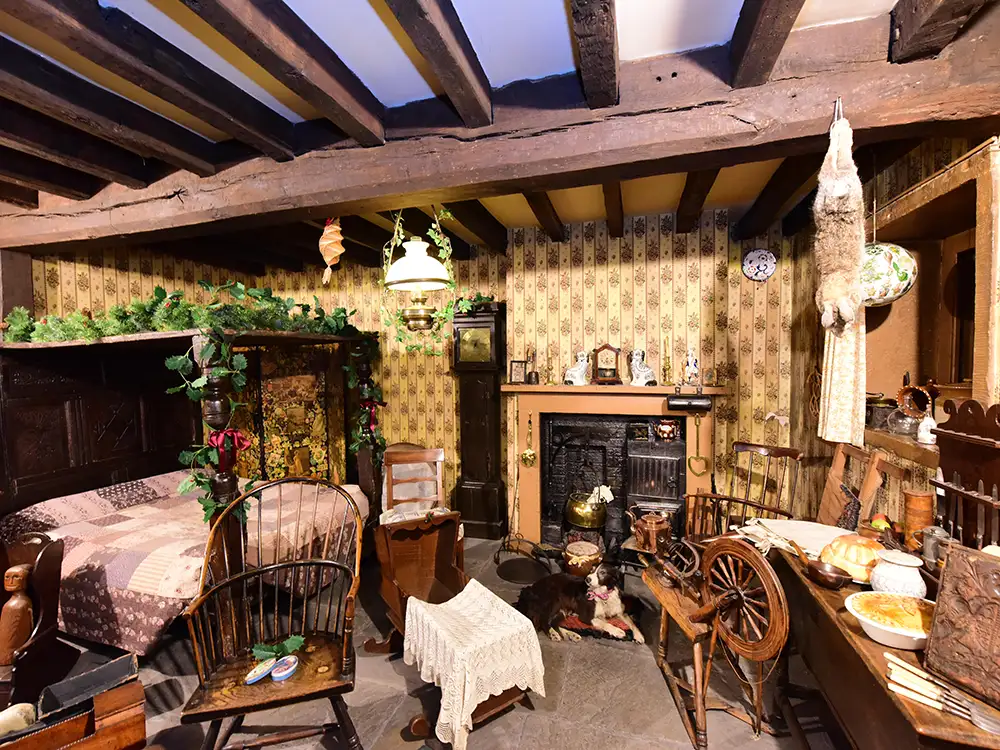
A corn dolly hangs from the ceiling, made from the last sheath of corn in the field. There was a belief that it would provide a home for the corn spirit over the winter and would be returned to the fields on Plough Monday, the first Monday following Twelfth Night. This superstition was to ensure that the coming year would provide a bountiful harvest.
Another feature of the room is a wassail box. These boxes, typically decorated with the baby Jesus or the Virgin Mary, were shown to wassailers who would go from house to house singing carols and gathering money for charity. Those who donated would also receive a drink of special ale from a wassail cup or bowl.
On the hearth sits a ‘frumenty’, a spiced porridge made from wheat that would be cooked for several days before being served on Christmas Eve. Christmas celebrations often began on the 21 December, also known as St Thomas’ Day or the winter solstice.
Traditionally, old women and children would go ‘a-Thomasin’ or ‘mumping’, begging for wheat from prosperous families or farmers to make their frumenty.
There are many more Christmas traditions, decorations and objects in York Castle Museum’s seasonal displays. Each room presents a snapshot of Christmases past and with other 200 years of history in one museum, there’s plenty to explore.
There’s still time to get involved in Christmas activities, from mince pie tasting, making cards inspired by the Christmas cards in the collection, listening to historical music and Victorian Carol Singers. Join us for the final performances of Green Father Christmas and Scrooge right before Christmas Eve!
For a full list of activities please head to the York Castle Museum website.