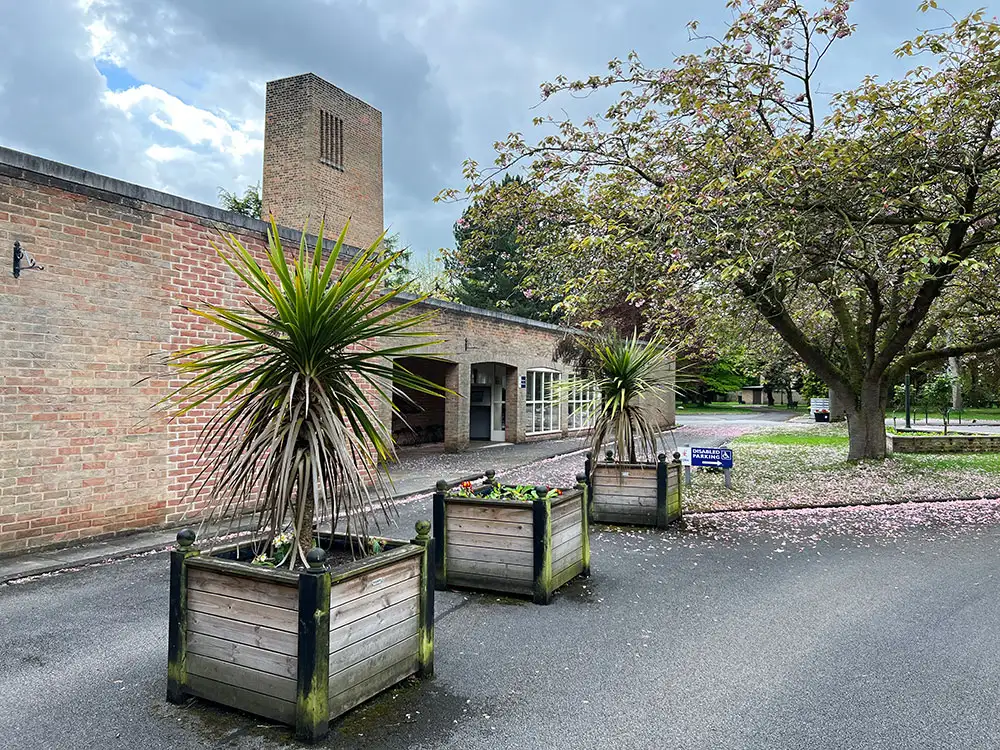

York Crematorium is set for a revamp, with works set to start in the coming weeks.
Works to build a second waiting room with new toilets are set to begin on Wednesday, July 1.
The new facilities are set to be ready by the autumn and services will be unaffected by the works.
Cllr Katie Lomas, City of York Council’s major projects spokesperson, said regular maintenance of and investment in the crematorium was key to delivering services for residents at a sad and sensitive time.
It comes after the council awarded a contract for the expansion works which are set to cost an estimated £560,000.
Chester Composites Ltd was awarded the contract in April following a winning bid of £435,000 plus additional costs and fees.
Council officials said at the time the crematorium, in Bishopthorpe Road, was in dire need of modernisation and needed extra capacity to help it compete with newer private venues.
They added the works followed years of talks with funeral directors and any further delays in improvements could see revenues and ultimately the facility itself lost.
The council stated visitors to the crematorium may see workers, their vehicles and equipment once building and other maintenance works get underway next month.
Services are set to continue uninterrupted and works will not take place during them.
Funeral directors have also been notified.
Council major projects executive member Cllr Lomas said: “Regular maintenance and investment in the crematorium is key to delivering a good service for residents at a sad and sensitive time.
“I’m glad we’re able to offer an additional, new waiting area and look forward to it opening this autumn.”
York Crematorium was built in 1962 for the York Corporation, according to the York C20 Architectural Gazette project.
It was designed by city architect Ernest Firth following a rise in the popularity of cremations in the previous decades.
The designer, along with project architect Richard Sawyer and City Engineer CJ Minter, did not want to hide the building’s purpose and its chimney features prominently.