
New research has shed light on the impact of gambling in York, with officials warning it includes more than 3,000 local children being affected.
City of York Council’s You Bet, They Win report stated the widened access to gambling including online meant it was now a serious public health concern.
Council public health lead and report author Peter Roderick said comprehensive action was needed to tackle it and blamed gambling firms whose yearly profits have doubled to £16bn in the last 15 years.
.
A spokesperson for the Betting and Gaming Council (BGC) gambling industry body said the overwhelming majority of the 22.5m people who bet each month in Britain do so responsibly.
It follows the publication of the council’s public health report for 2025/6 which focused on the effects of gambling in York as its theme this year.
Figures in the report included data showing 3,430 children were living in the same homes as someone who may benefit from treatment or support for gambling.
One in 12 people living in York, around 14,700, are believed to be affected by the harm of someone else’s gambling.
Almost half of the UK population, 48 per cent, reported gambling in the last month though the percentage falls to 28 per cent if lottery draws are excluded.
The harm caused by gambling locally and nationally includes financial crisis, suicide, relationship breakdown, homelessness and early death, the report stated.
It added people living in deprived areas and with mental health issues were among those who were the most susceptible to harmful levels of gambling.
Recommendations in the report include boosting the monitoring of gambling harm locally and boosting training to help professionals recognise harmful behaviour.
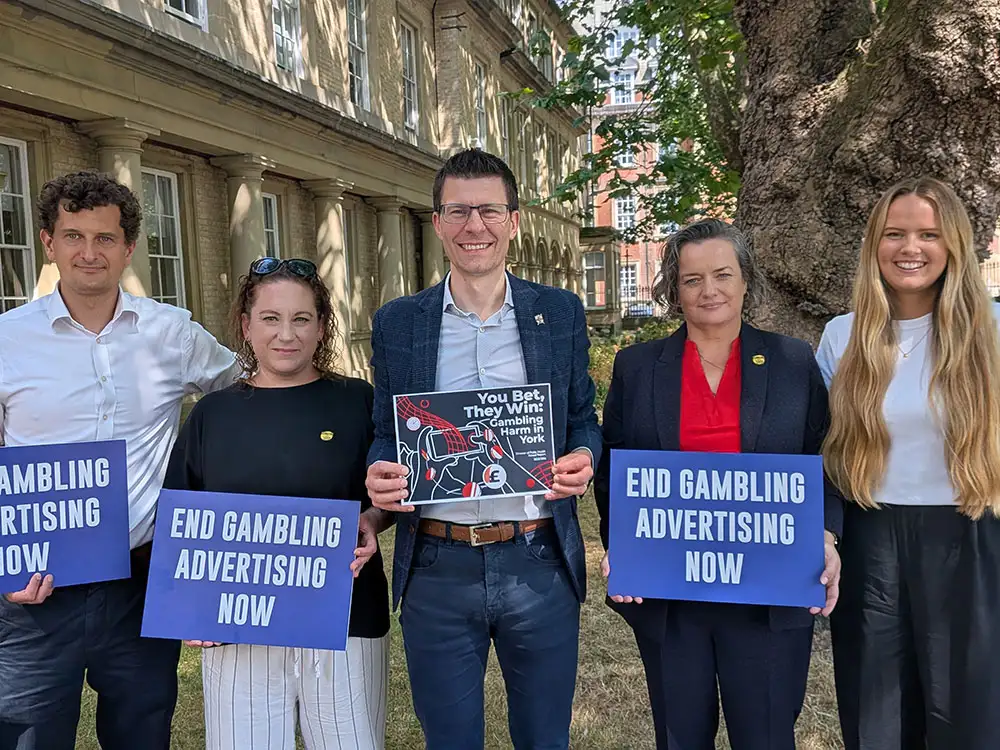
They also include supporting those recovering from harmful behaviour and the council backing a campaign to end gambling adverts.
Council public health director Mr Roderick told the Local Democracy Reporting Service (LDRS) it was a myth that there were safe levels of gambling.
He added stories he had heard from people in York were really shocking and was concerned about children being able to access gambling in video games.
Mr Roderick has also called for an end to industry involvement in the regulation of gambling.
The public health official said: “It’s well-known that betting websites deploy insights into human psychology to keep people hooked.

“We also see loot boxes in video games and apps which involves spending to unlock a box so players can win items and skins for their characters to display.
“Some products are just so dangerous to human health that they should be treated in the same category as illicit substances.
“We used to live in a country with tobacco advertising that made smoking seem cool but its now seen as causing unparalleled harm to human health, gambling is seen as an economic growth sector and a key part of UK plc, it shouldn’t be seen as either.”
Cllr Lucy Steels-Walshaw, the council’s Labour health spokesperson, said people suffering from serious harm due to gambling was more common than many realised.
The executive member said: “We know that for some people gambling doesn’t have an impact on their lives, but these findings highlight serious harms for other who are being significantly affected.”
Will Prochaska, director of the Coalition to End Gambling Ads, said York was showing leadership in recognising gambling as a public health issue.
The director said: “The evidence is clear that aggressive marketing and widespread advertising are fuelling this harm, particularly among those already at risk.”
The spokesperson for the BGC said their members were continuing to raise standards across the gambling industry.
They added the Government’s Statutory Gambling Levy which launched in April last year had already raised more than £100m a year for independent research, prevention and treatment for harm.
The spokesperson said: “Advertising must comply with strict guidelines and safer gambling messaging.
“BGC members already commit 20 per cent of TV, radio and digital advertising to safer gambling messaging, while the industry’s voluntary whistle-to-whistle ban has reduced the number of TV betting adverts seen by children during live sport by 97 per cent.
“It is important that policy remains balanced and evidence-led.
“The Government has also rightly launched a consultation on banning unlicensed gambling operators from advertising and sponsoring sport, illegal operators offer none of the protections available in Britain’s regulated market and are the real threat to consumer safety.”