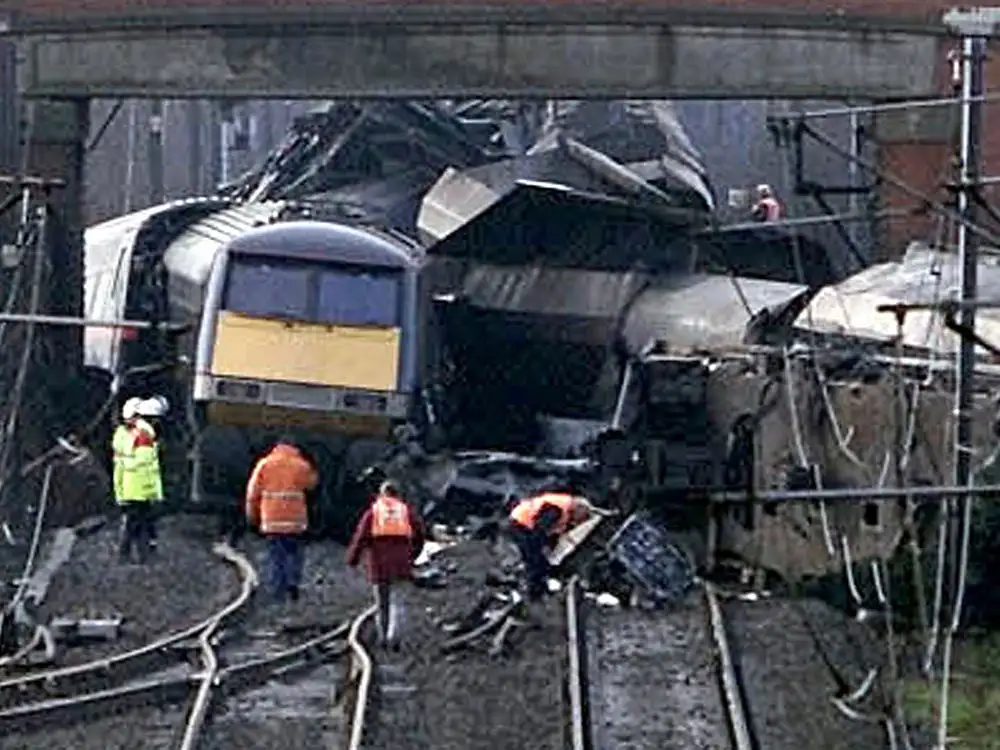

A memorial service is taking place to mark the 25th anniversary of the Selby rail crash, which claimed the lives of 10 men.
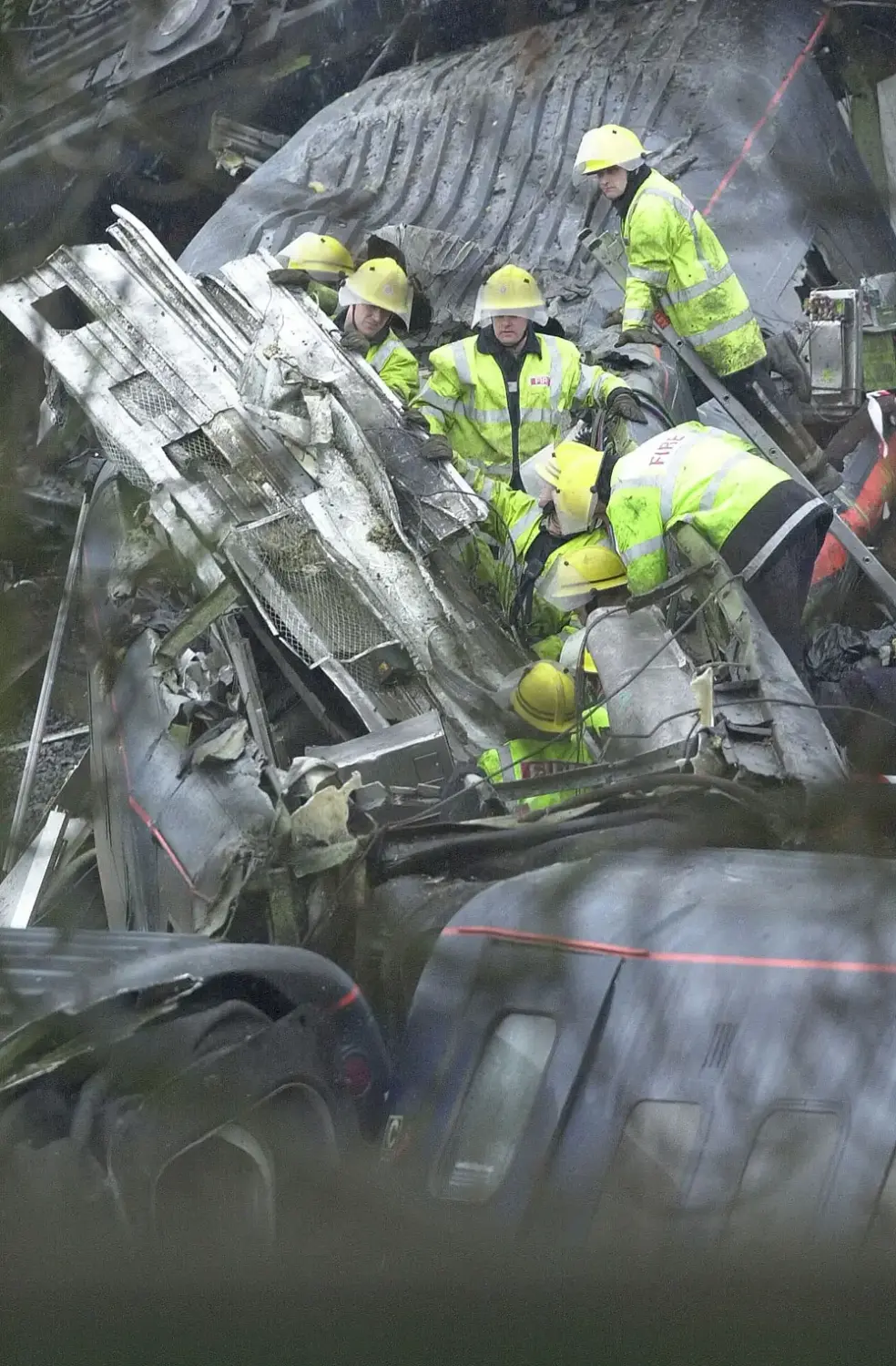
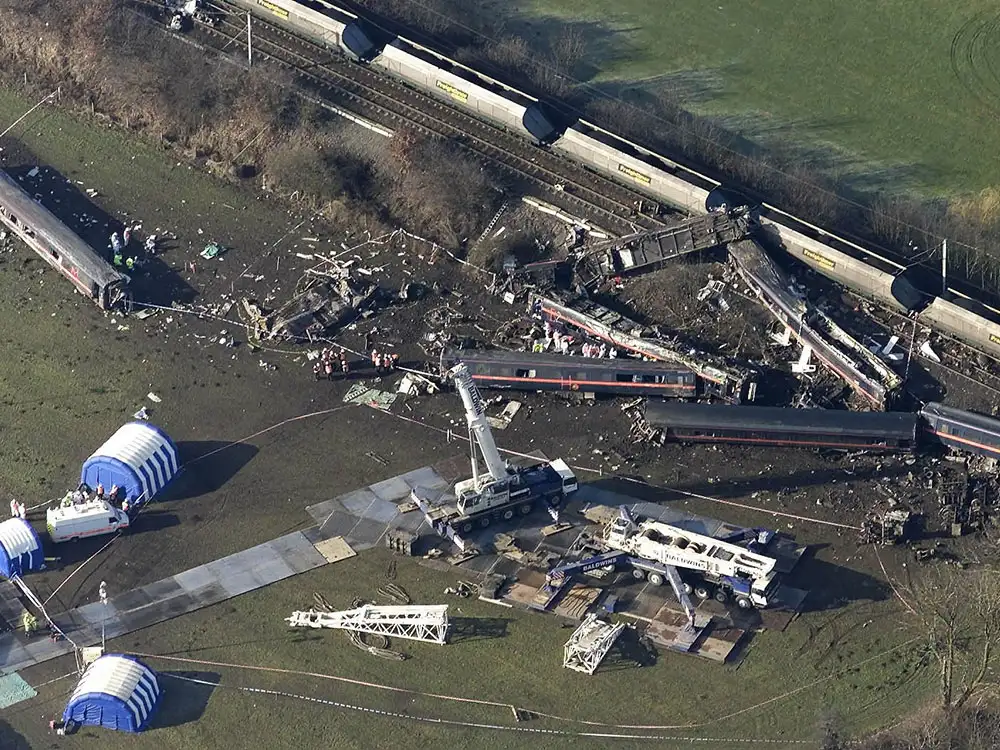
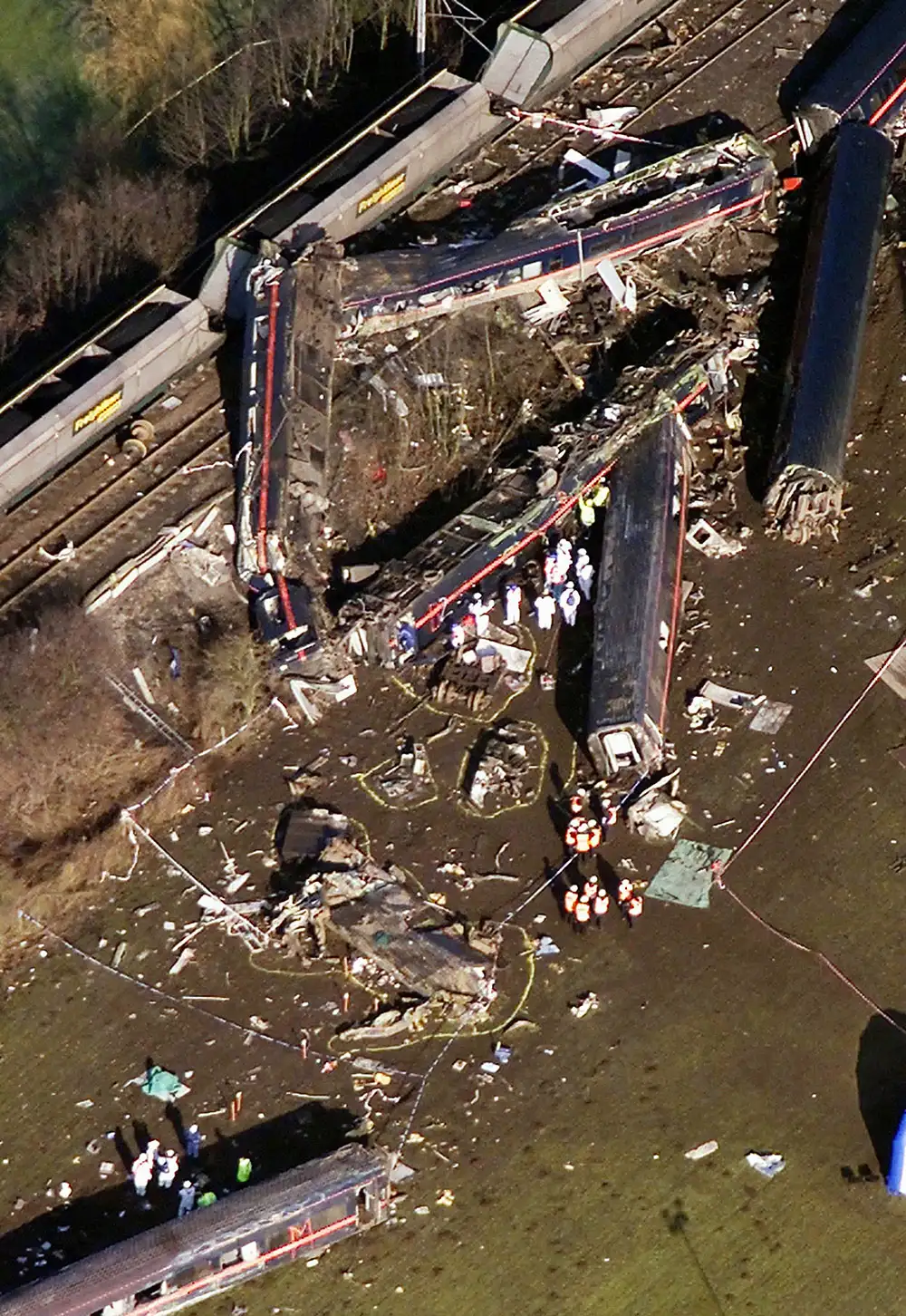
Four railway workers and six passengers died when an InterCity passenger service and a fully-laden coal train collided at a closing speed of more than 140mph, near the village of Great Heck, on February 28 2001.
The accident claimed the lives of John Weddle, the GNER driver; Steve Dunn, the Freightliner driver, and eight other men – Steve Baldwin, Alan Ensor, Raymond Robson, Paul Taylor, Clive Vidgen, Barry Needham, Robert Shakespeare and Christopher Terry.
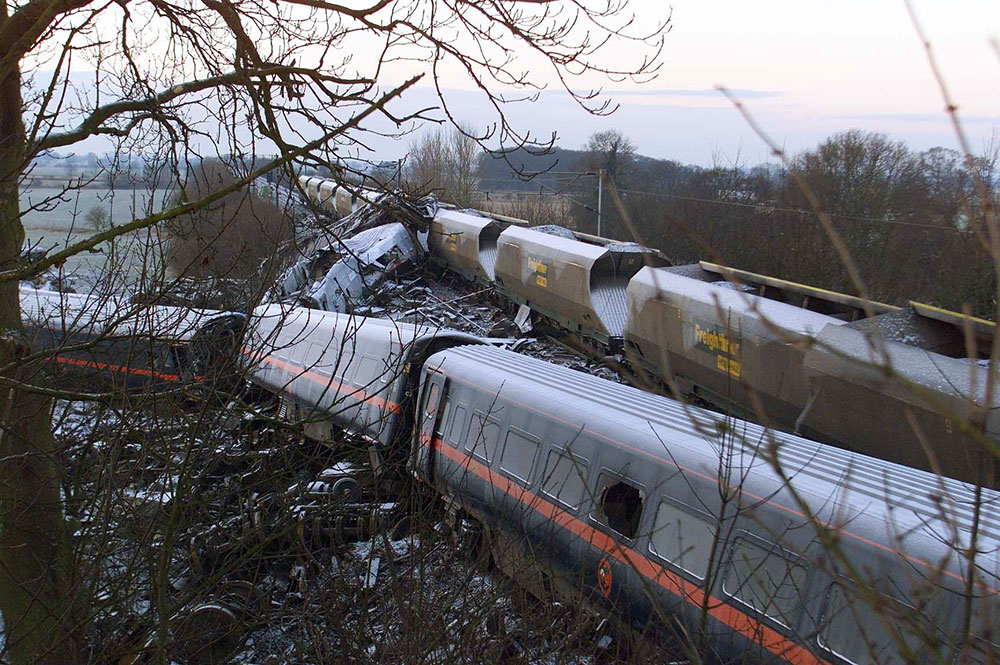
The crash was caused when a Land Rover, driven by Gary Hart, careered off the nearby M62 motorway after he had little sleep the night before.
A GNER Newcastle to London passenger service derailed as it struck Hart’s vehicle and was then hit by the Freightliner train carrying 1,600 tonnes of coal coming the other way, with catastrophic results.
Hart could not move his vehicle off the tracks and was calling the emergency services when the crash happened.
He denied falling asleep at the wheel but a jury found him guilty of 10 charges of causing death by dangerous driving.
He was sentenced to five years in jail, serving around half that time.
Relatives of those who died will be joined at Selby Abbey today (Saturday, 28 February) by members of the emergency services and rail workers for a service during which candles will be lit for each of the ten victims.
A North Yorkshire Police spokesperson said: “More than 1,000 emergency service personnel from Yorkshire and neighbouring counties responded to the incident.
“Among them were many police officers and staff who are still serving with us today, or who remain part of our wider policing family.
“The anniversary is a significant moment for those directly involved, those who supported the recovery operation, and anyone who was impacted by the tragedy.”
Former British Transport Police superintendent Tony Thompson, who attended the scene in 2001 and has been co-ordinating the memorial service, said: “I was involved in most of the UK train crashes – from Clapham in 1988 right through to Potter’s Bar (in 2002) – but this one stood out because there was no fault attributable to the rail industry.
“This crash was caused by poor driving, as we know – falling asleep at the wheel.
“You never forget these events and, whenever I drive past a ‘tiredness kills; take a break’ sign, I always flash-back.”
He said: “It’s never far from one’s mind.”
Mr Thompson said he remains proud of the emergency response to the disaster.
He said: “It was as near as you could get to a textbook coordinated response, from the point of the disaster itself and the investigation.”