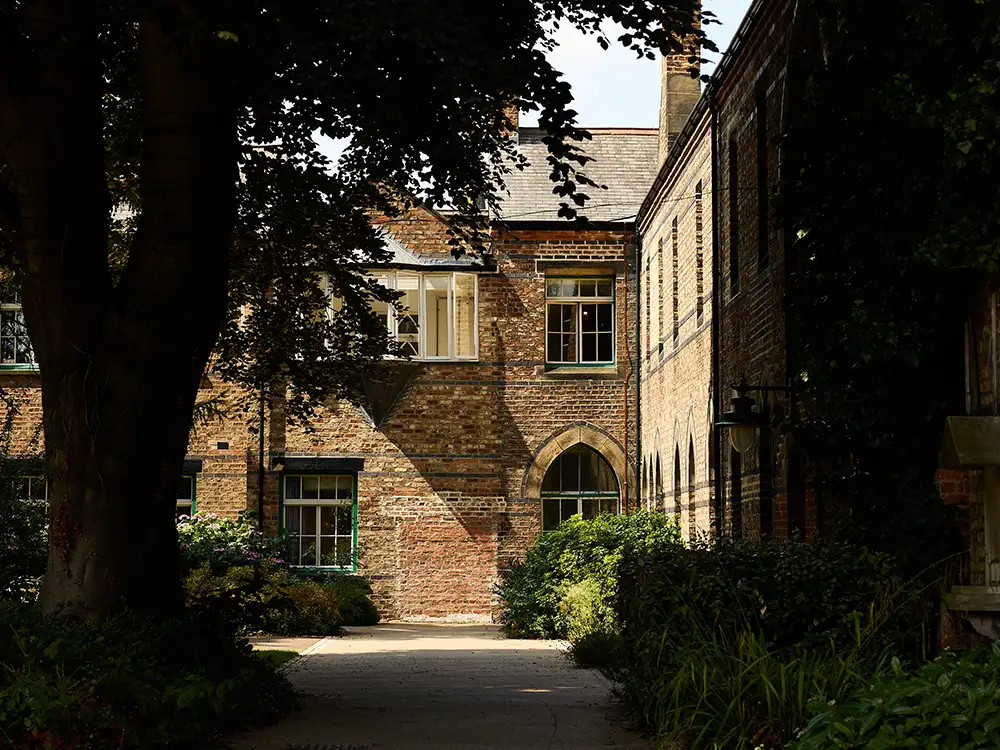

Hidden behind a 15-foot wall, in the heart of York’s historic centre, lies a place that has witnessed over 140 years of change.
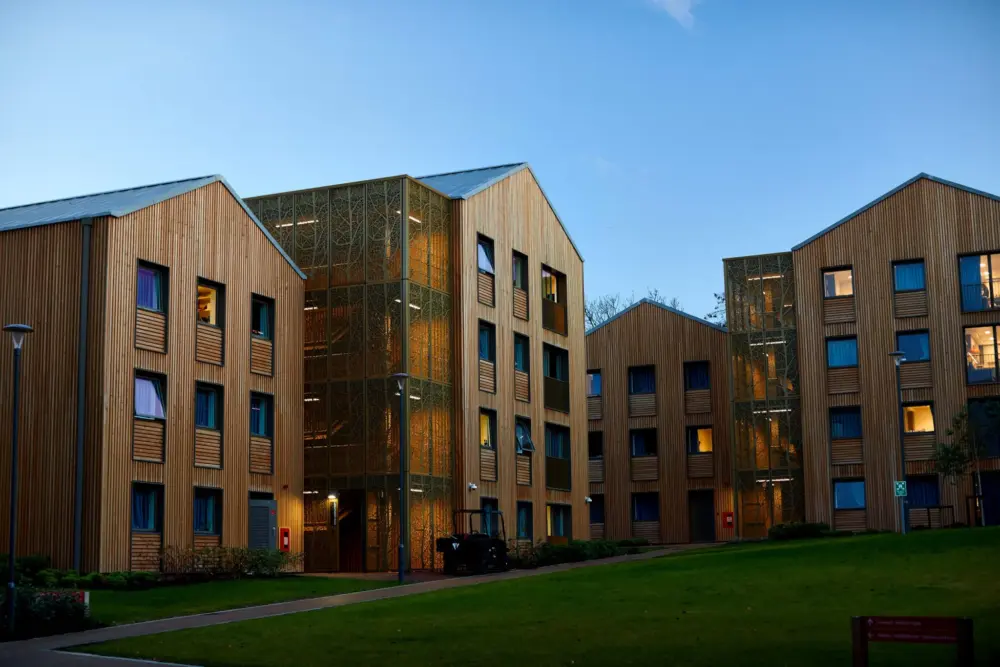
Once home to a closed order of nuns, St Joseph’s Convent has now transformed into a student accommodation: home to over 600 students, Vita Student York, on Lawrence Street, is located close to the original perimeter wall of St Joseph’s Convent.
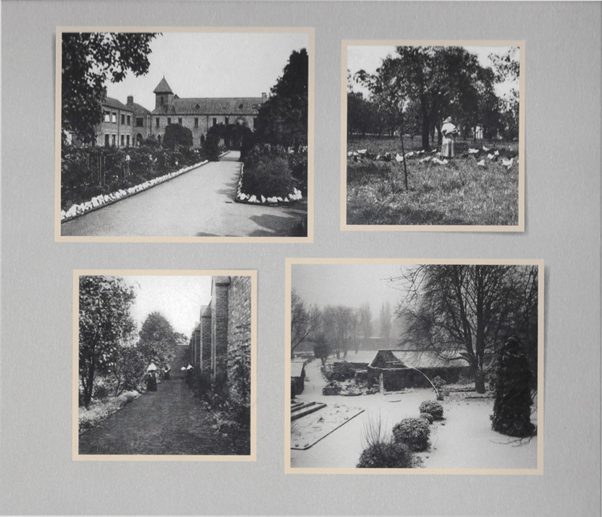
St Joseph’s Convent was home to the Poor Clares for more than 140 years.
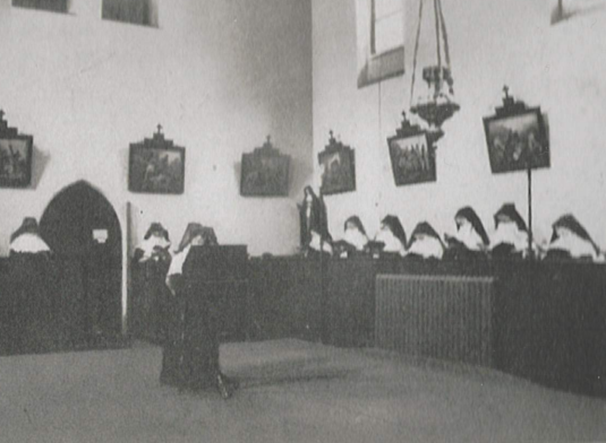
Built during the 19th century in Gothic Revival style, St Joseph’s was the backdrop for this enclosed religious order. At its peak during the Second World War, more than 40 sisters lived within its walls. Their lives were devoted to prayer, routine and the perpetual practice of self-sufficiency.
The convent’s six-acre grounds provided fruit grown from the orchard, vegetables fresh from the gardens, and space for quiet contemplation.
By 2013, rising maintenance costs and the declining number of residents meant the remaining eight sisters made the difficult decision to relocate. After this departure, the Grade I listed buildings stood vacant.
“For 40 years, St Joseph’s was my spiritual oasis in the heart of a bustling city,” said Sister Mary Paul. Sister Mary Paul joined the Poor Clares in 1973 and spent four decades living at St Joseph’s.
“Every day began at 5am and ended after midnight mass. It was a life of prayer, housework and quiet dedication.”
As a closed order, the sisters had limited contact with the outside world.
“We lived largely self-sufficiently, growing fruit and vegetables in the grounds and keeping hens for eggs. I was the only sister permitted to leave the convent walls, only to buy essentials we couldn’t produce ourselves.”
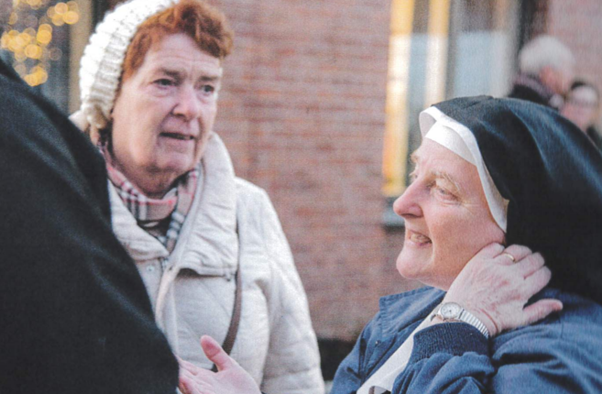
Leaving in 2013 was emotional. “After spending half my life there, it was incredibly hard to leave. But we are grateful the buildings have been given new life.”
Redevelopment began in November 2015. Transforming a Grade I listed convent into modern student accommodation required careful planning, consultation with heritage specialists and sensitive restoration throughout.
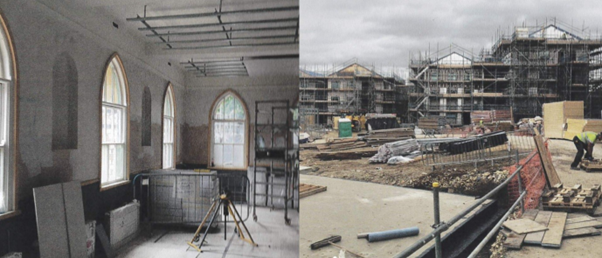
Regular structural inspections ensured that the building’s original features, including the chapel and perimeter wall, were safeguarded – the goal being to retain and repurpose the heritage rather than replace it.
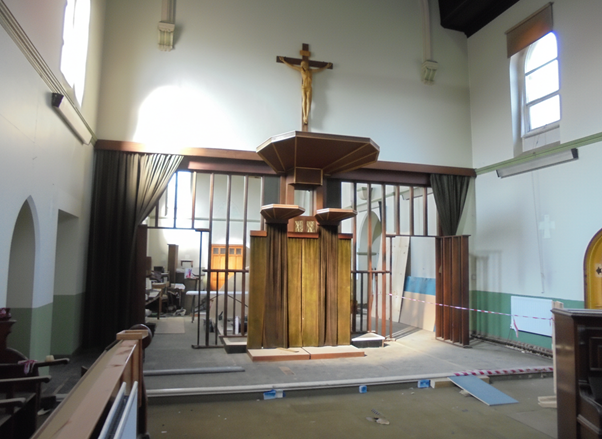
The former chapel now serves as a central communal space at Vita Student York. Original pews were adapted into seating, while the listed altar screen divides the open space into smaller study and social areas.
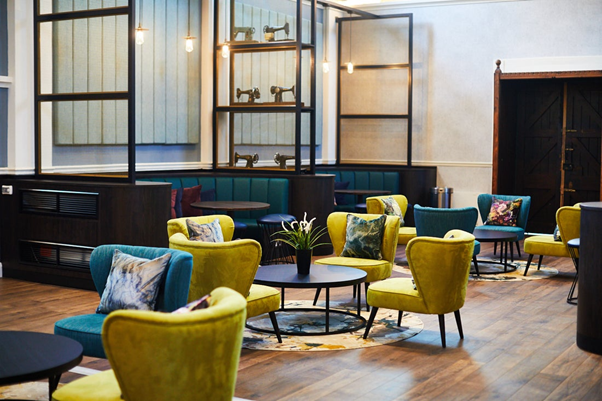
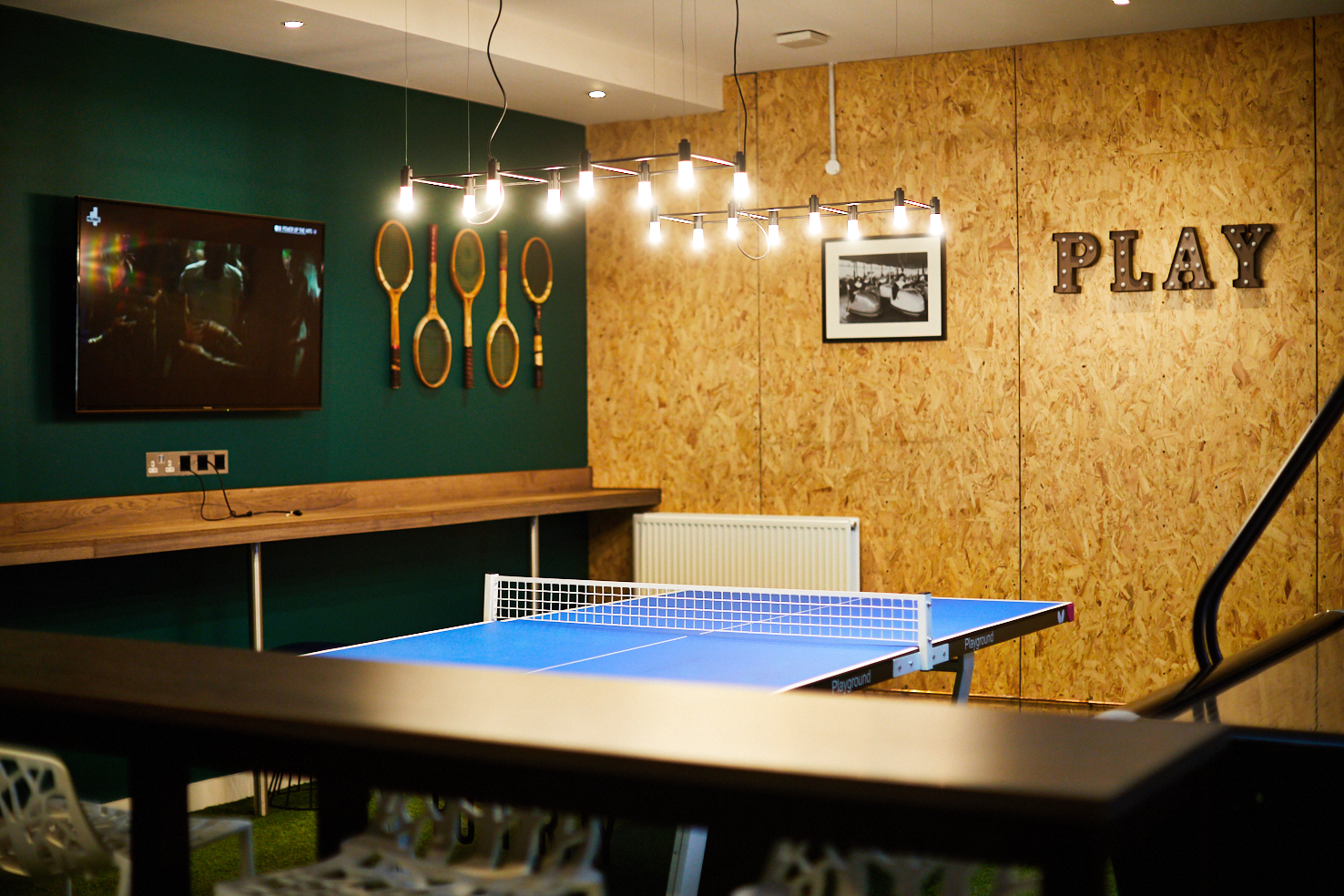
Artefacts such as the convent’s croquet set and scoreboard remain on display, subtle reminders of daily life within the former convent.
Since opening in 2017, Vita Student York houses over 600 residents annually, welcoming more than 6,000 students through its doors to date.
For Sister Mary Paul and her fellow sisters, the transformation represents continuity rather than loss. “The redesign is sensitive to the site’s heritage. Despite housing hundreds of students, there’s still a sense of tranquillity.
“My sisters and I are proud to be part of its history.”