
Concerns over the effect expanded powers to tackle street drinking, loitering, begging and nuisance behaviour in York could have on homeless people has prompted a further consultation on the proposals.
City of York Council executive approved another consultation on plans to expand the scope of two public space protection orders (PSPOs) including removing people from the city centre.
Cllr Michael Pavlovic, the council’s Labour public protection spokesperson, said the powers were a vital tool to help protect residents, visitors and businesses from antisocial behaviour.
But Green activist Ben Ffrench said current proposals were vague and concerning while Liberal Democrat opposition leader Cllr Nigel Ayre said antisocial behaviour needed to be tackled across York.
It comes as the executive agreed to reinstate existing PSPO powers first approved in 2022 covering the city centre, Union Terrace, Clarence Gardens and The Groves.
The powers, which aim to tackle antisocial behaviour linked to alcohol, expired in August.
The executive heard they were needed to stop incidents during the festive period including at the Christmas Market.
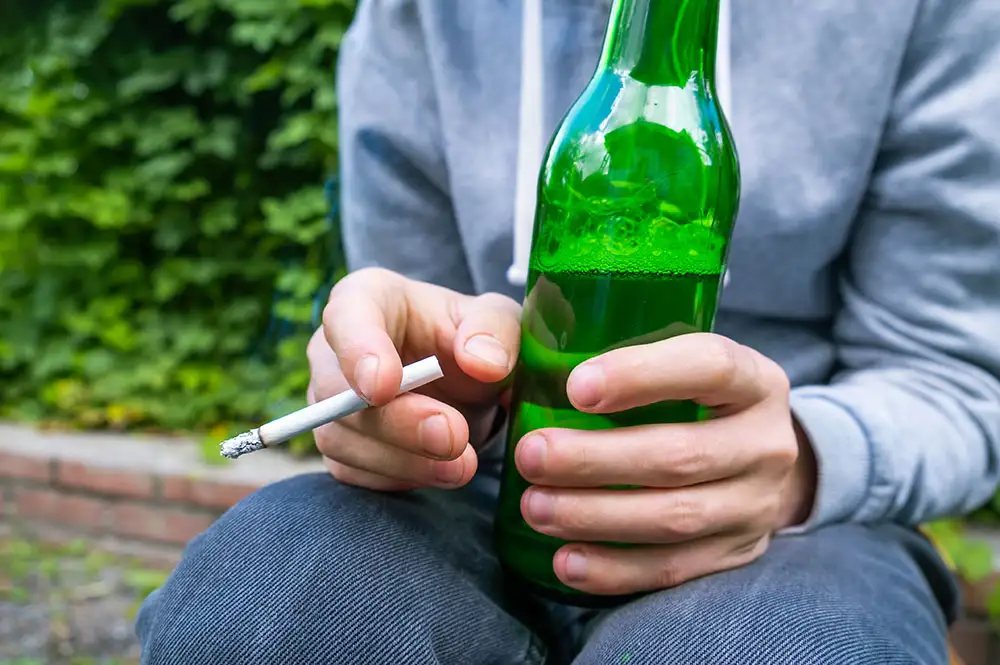
Proposals to expand the powers would see them cover street-drinking, loitering, begging and other behaviour which causes nuisance, annoyance, distress, alarm or harrasment.
They would come into force in the summer, depending on the outcome of the consultation in the new year.
Groups of two or more people could also be moved on for causing antisocial behaviour, revised from three or more in proposals drawn up in September.
Individuals and groups asked to leave York city centre due to their behaviour would not be able to return for 24 hours.
Those who violate PSPOs can be fined up to £100 and prosecuted if they fail to pay or for more serious, repeat offences.
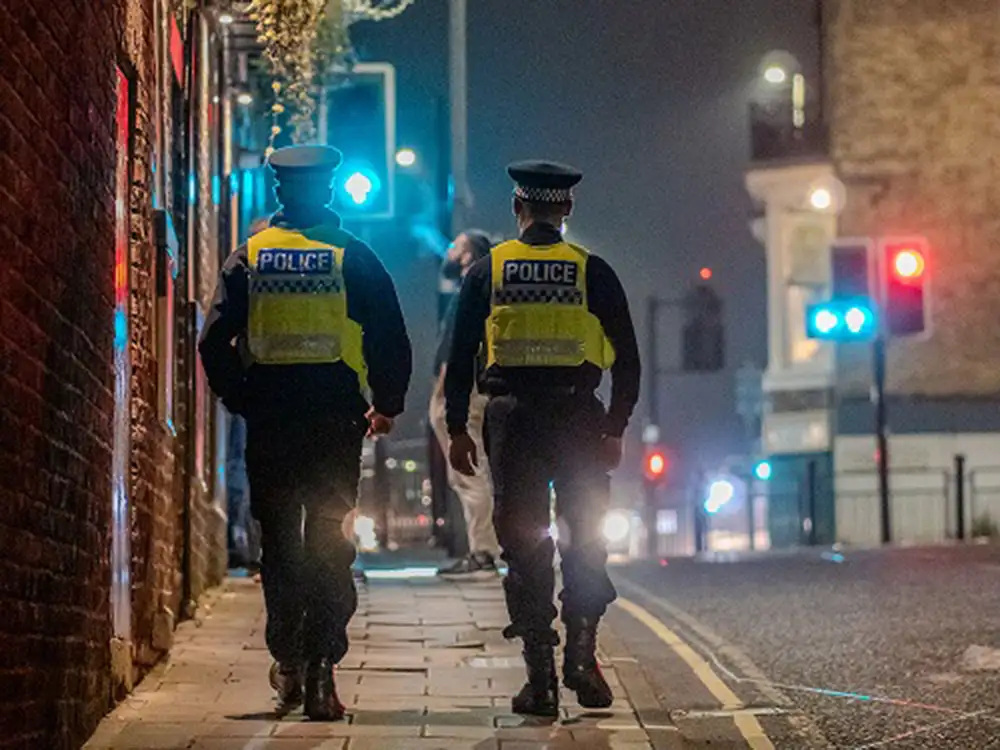
It comes after 573 incidents were recorded within the city’s walls related to antisocial behaviour, violence and concerns for safety in the first seven months of this year.
More than four fifths of the 77 respondents to the first consultation on expanding the powers said they had experienced antisocial behaviour in the city centre in the last year.
Between 77 and 93 per cent of respondents supported removing people from the city centre for 24 hours for offences including nuisance drinking, drug-taking and insults including sexualised comments.
Some respondents said they were appalled by behaviour they had seen in York city centre but others said the proposals were too loose, sweeping and open to interpretation.
A council report stated powers were in part aimed at stopping people from travelling into York to beg and deal drugs and not at local homeless people or rough sleepers.
It added further consultation would be done on the proposals following concerns it could lead to them being unfairly treated.
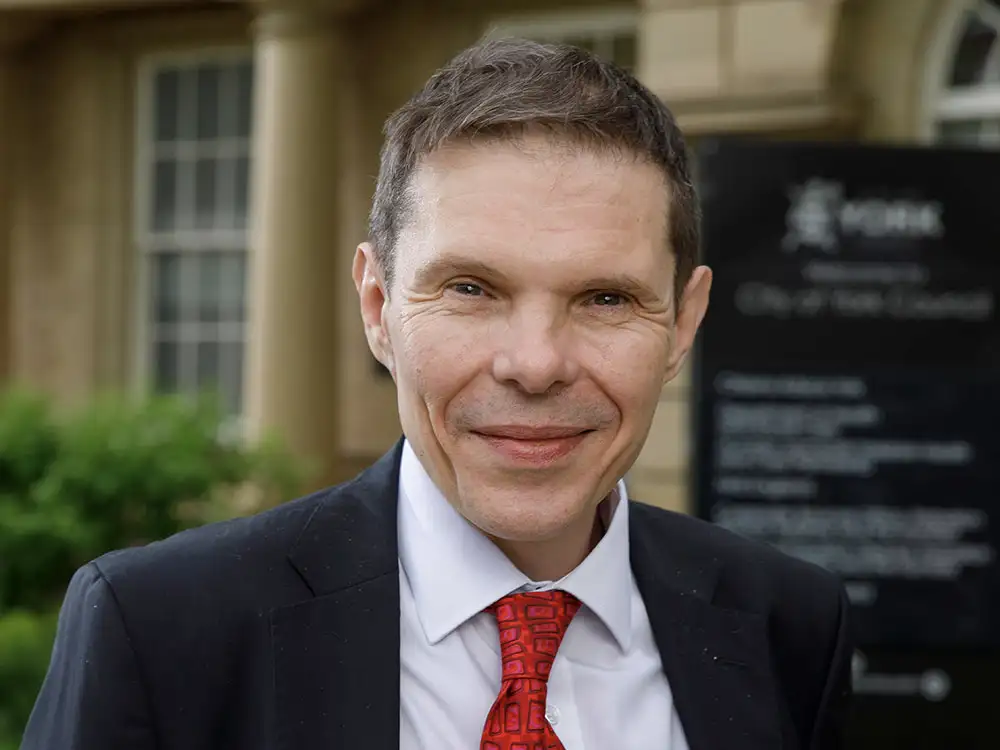
Public protection executive member Cllr Pavlovic said the council had heard from both residents and tourists that the city centre could sometimes feel unsafe.
The Labour executive member said: “The 573 incidents this year is an indicator that this behaviour isn’t just from residents or people living in the city but it’s also from some tourists and more boisterous visitors.”
North Yorkshire’s Labour Deputy Mayor for Policing Jo Coles said people should be able to go into the city centre without being intimidated while homeless people are properly supported.
But Green activist Mr Ffrench said that while measures to tackle antisocial behaviour were welcome, the additional powers were concerning.
Mr Ffrench said: “Does a group of teenagers sitting on a pavement count as loitering or busking a nuisance if someone finds it annoying?
“If we do this wrong we won’t make York any safer and it will be counter-productive in the long-run.”
Liberal Democrat Cllr Ayre said the council neded to roll out efforts to tackle antisocial behaviour beyond the city centre.
The opposition leader said: “We all hear from residents in areas where antisocial behaviour is having a particularly negative effect but it’s easier to tackle it in the city centre.”