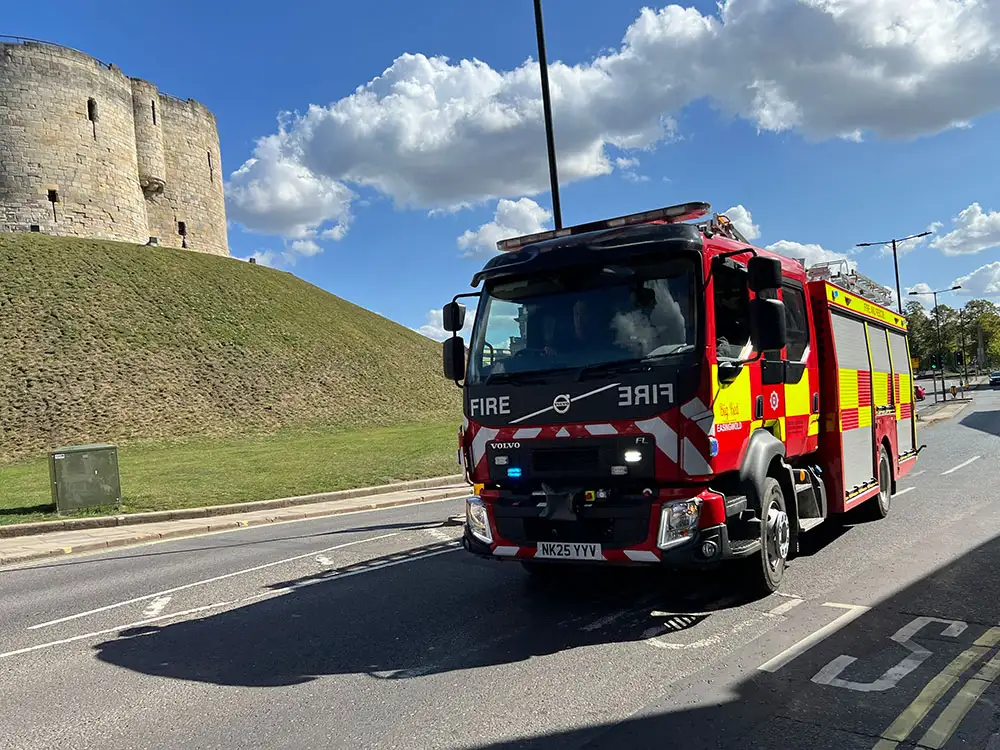

Changes are afoot in the way our fire service communicates with residents.
North Yorkshire Fire & Rescue Service has reviewed its social media activity and has a new plan.
It will be retiring Facebook and X channels run by individual fire stations.
These will be replaced with “district-level Facebook pages”.
In a statement, the fire service said: “These district pages will continue to share local news, updates and stories, but in a more consistent way.
“Local station staff will be able to contribute content so stations will not lose the ability to share local stories or celebrate the excellent work they undertake.
“Content that would previously have been shared on station pages will be shared through the relevant district page.”
The first indication of the new policy came when the popular Malton Fire Station page was suddenly deleted earlier this month.
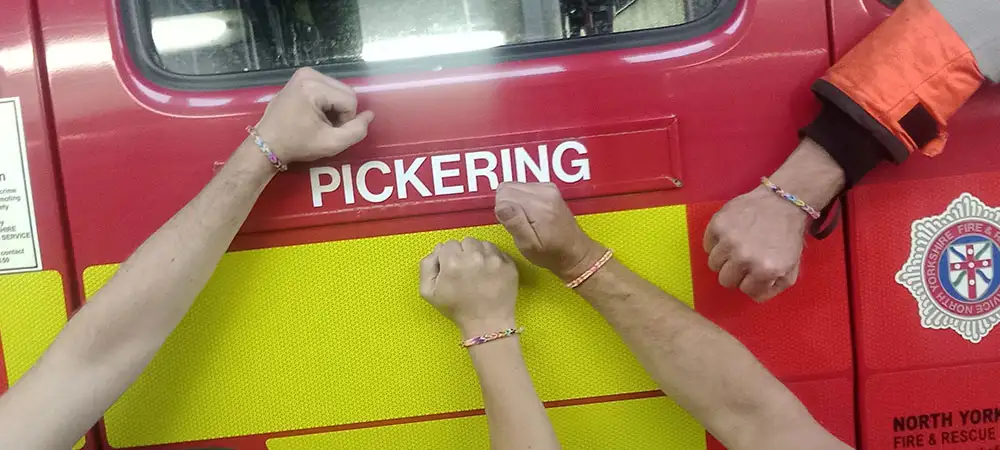
Several fire station Facebook pages, including Acomb, Pickering and Thirsk have said they will close by the end of March.
Some residents have expressed their disappointment at the news. A commenter on the Thirsk page said: “Such a shame to see all the local pages close. Not everyone wants to see information about a whole district, they want to see info about their local station.”
Another said: “North Yorkshire Police closed all of their individual and local pages down and it decimated their local engagement… a very poor show indeed!”
Another contributor raised concerns about the effect on recruitment of on-call firefighters: “When it comes to your retained stations, of which there are many in North Yorkshire, these are part of the communities they serve.
“You need members of that community to join your service as on-call firefighters to be able to keep people safe. Losing the identity of those stations on social media is a backwards move.”
The fire station statement added: “Expectations around online communication have changed and it is increasingly important that information is consistent and professional.
“Moving to district pages reduces the risk of missed messages, outdated or incorrect information being shared and accounts being left unmanaged.
“Our new approach will allow us to continue to engage with our communities whilst ensuring information is accurate, accessible and aligned with our standards.
“By reducing the number of accounts and bringing them together at district level, we believe engagement will be stronger, clearer and easier for the public to follow.”