
The world of online betting has changed a lot in the UK in the past five years.
Not least the ways in which people are shown and think about betting promotions and bonuses.
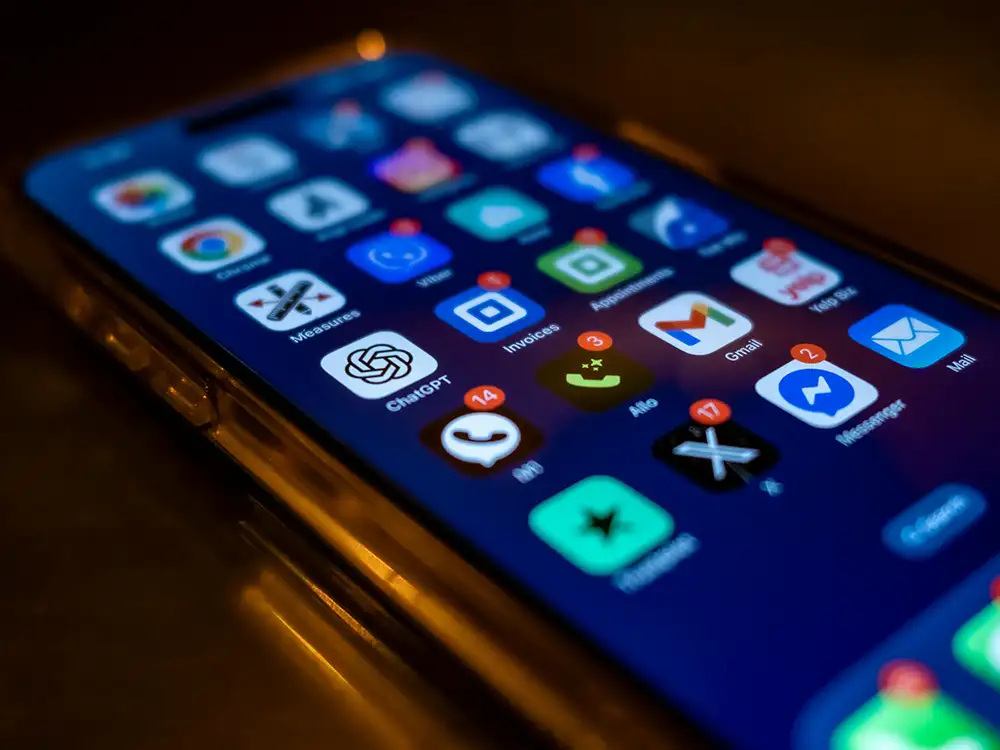
Years ago, you’d likely see a few betting ads on TV and maybe a few billboards. Then online bookmakers took over. Website banners and emails became the new norm. Today, betting promos are continuous and personalised. They’re delivered in app push notifications, social media memes or podcast sponsorships – all through your phone.
UK regulators are currently scrambling to update the system for this new wave of gambling promotions. The market has changed, through a confluence of factors, and politicians and policy makers are only now catching up.
Social Media and Dedicated Betting Apps Changed the Game
More than 50% of UK sports bettors now use mobile apps for wagering. 43% of bettors hold apps as their preffered choice for betting.
Mobile apps can track a lot more about customers than desktop sites, and those already track a fair amount. This information can be used to tailor promotions for specific players. For example, push notifications can be sent when a customer’s favourite team is on, offering odds boosts or free bets.
Even in app rewards systems like daily prize wheel spins can be customised behind the scenes to fit a player. Spin one yourself but never use one type of reward – at most sites, those rewards will stop coming up.
Despite all this, or maybe because of it, bookmaker comparison sites remain popular. With the modern market as competitive as it is, bettors still find a list of available free bets and sign-up offers useful. Punters use these resources to cut through all the tailored marketing, with a side-by-side comparison of offers and the relevant terms.
Outside of bonuses offered to already engaged or interested customers, promotions on social media have also reached new levels of volume. During peak season football weekends, there are literally tens of thousands of betting related posts across popular social media platforms.
Increasingly, betting platforms use social media content as advertising. In some cases, this blurs the lines between promotion and entertainment. Random clips, memes and other content not really associated with betting will be given bookmaker logo stamps, or have a betting angle reaction inserted after.
Micro Promotions for In-Play Betting are More Immediate
Betting logos at football games have been around for decades, even though gambling shirt sponsors may soon be gone. However, sports podcasters shouting out a particular free bet offer while discussing Saturday predictions is a new arena entirely.
Have you seen a promotion on your phone tailored towards betting on York City FC – who aren’t even (just yet) in the Football League? Bet you have.
Outside of the advertising of promotions, odds boosts and other offers also being touted in-app, via in-game betting.
Punters who bet on next goal scorer, next try or next foul (in-game or live markets) are around 20% more likely to use mobile apps. This means operators use automated systems to drop promotions tailored to specific live events as the game unfolds.
This increases the number of promotions a bettor sees in a session massively. And they can all be push notifications too.
Unlike traditional ads, offering bonuses through push notifications means they sit in your phone alongside personal or work messages. This makes them harder to ignore. Short form offers on in play bets also put time pressure on bettors, so they’re less likely to read or fully consider the terms.
How Regulation is Catching Up with Bookmakers
The UK’s regulatory authorities are getting to grips with some of this new technology, but slowly.
Betting is big business in the UK. It has been for hundreds of years, despite various attempts to stop it. Today the sector employs tens of thousands of people directly. As well as similar numbers indirectly through operator spending on tech stacks and (funnily enough) marketing. Licensed operators also pay ~£4 billion a year in taxes.
Betting companies have some influence on government policy, as key stakeholders in a relatively large section of the economy. Whether you would consider that too much influence is another matter.
Nevertheless, the change in the delivery of betting promotions has not escaped regulators or politicians attention. Particularly custom in app bonus offers, and targeted social media offers. The former, especially the AI-powered part, has been brought up in recent House of Lords debates The government has set up a task force to look into and suggest possible regulatory changes for gambling ads on social media.
In 2025 regulators updated guidance on social media ads for gambling through influencers. Previously the rules said creators must not advertise gambling if they have a “strong appeal” to under 18s. The government has now clarified that to 100,000 or more followers under the age of 18.
The Advertising Standards Agency (ASA) also tightened its rules in 2025. It specifically included terminology about digital wagering offers and unclear terms, bringing them under its general advertising standards guidelines.
Interestingly some big regional markets internationally, such as Ontario in Canada, flat out ban bonus offers from gambling adverts in physical space and general social media.
Whatever UK regulators and the government decide to do, the smart money wouldn’t be on betting ads going away anytime soon. They just might be forced to change form.