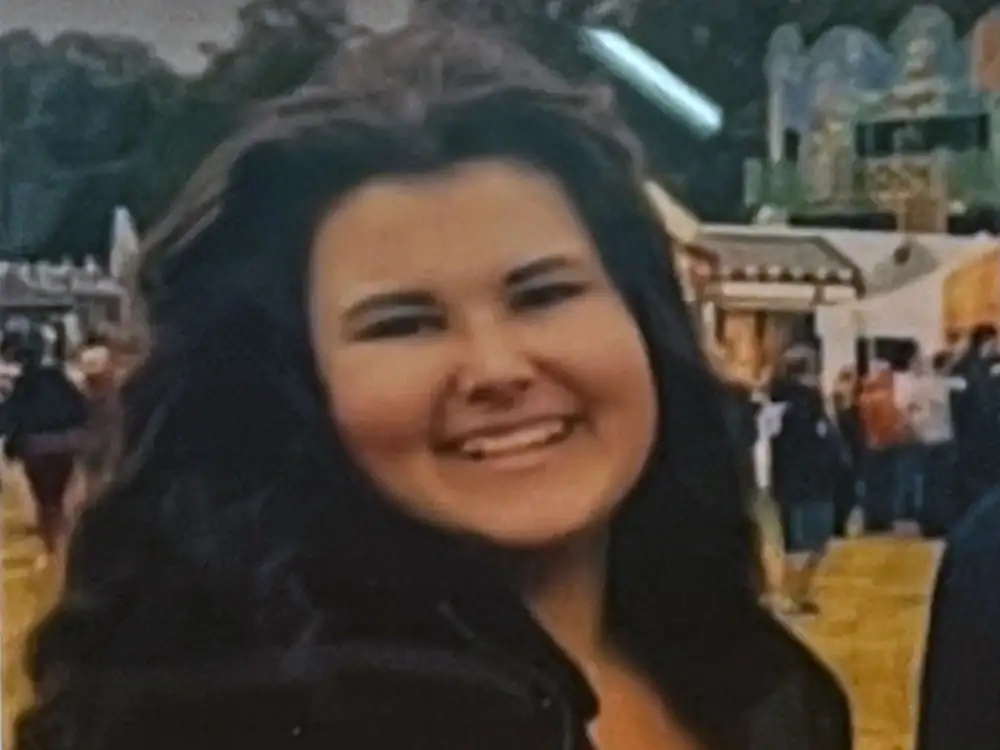

An inquest into the death of 16-year-old Leah Bedford heard how she had been deemed a high risk by support services before she died.
During the hearing today, members of her family also expressed some concerns, including about their exclusion from some of the discussions about Leah’s health and social support.
Leah, from Acomb, went missing on 20 September 2023. A police underwater unit found her body in the River Ouse near Terry Avenue nine days later.
It subsequently emerged that a man had been charged with raping Leah two weeks before she went missing.
Kristian John Franks, 35, of no fixed address, was later convicted of raping another woman. Due to Leah’s death and the issue being one of consent, her case was withdrawn at court and Franks was officially acquitted of her rape.
After the attack, Leah’s case was deemed high risk by support services.
The inquest, sitting in Northallerton, heard that she suffered from mental health problems and regularly used drugs and alcohol to cope with past traumas.
Her state of mind varied, but at times she had felt suicidal and made attempts to end her life.
A post mortem carried out by Dr Nigel Cooper found the cause of death as drowning.
Toxicology reports found there were high levels of cocaine, ketamine and MDMA in Leah’s blood. Dr Cooper said that her “state of mind must have been significantly affected by the drugs which she was taking”.
Detective Inspector Jonathan Sygrove of North Yorkshire Police headed the investigation when Leah went missing.
CCTV showed her with a man on Lendal Bridge, but he said he’d met Leah by chance and investigations ruled out any third party involvement in her death.
Detective Chief Inspector David Ellis, from North Yorkshire Police’s safeguarding team, said Leah was deemed a low risk in March 2023, but upgraded to a high risk later, after the attack.
The inquest heard that Leah lived in Howe Hill Hostel in York before her death.
At one point she had discussed with her support team plans her ambition to go back to college, complete her A levels and train to be a child psychologist.
Daniel Piper, a Child and Adolescent Mental Health Services (CAMHS) practitioner, said Leah had been referred to his team and was assessed in June 2023. He said at in the beginning “there was a lot of optimism”. Support was in place and “things were getting better”.
At one point she had engaged with the idea of getting help to come off drink and drugs. She was offered help but missed an appointment.
Leah’s family asked Mr Piper about the decision not to offer therapy to Leah at that time. He said they were regularly assessing Leah and there was a fear that asking her to relive her past trauma at that time could have made her “emotionally less stable”.
He said it “wasn’t an easy decision” but they were trying to “think what was best for her”.
The inquest heard that Leah had asked that her family were not contacted by her health and social workers.
But family members suggested that Leah wasn’t competent to make the right decisions about her care given her drug use. A member of the family asked: “So I’m just wondering why the family, therefore, wasn’t involved. Because obviously she was only 16. She wasn’t an adult.”
Mr Piper said someone’s capacity to make a decision could vary at different times. But he tried to follow Leah’s wishes and he felt she “knew the decision she was making and she understood it.”
Leah’s social worker Amy Gilbank told the inquest she had built up a relationship of trust with her. “She would reach out to me and ask specifically for me to see her.” They had regular meetings and exchanged text messages.
Amy said on 10 August, Leah had been found intoxicated at Clifford’s Tower. She had taken cocaine, ketamine and ecstacy and was taken to hospital by ambulance, but checked out against medical advice.
The mental health crisis team were updating the community team and Amy spoke with Leah about what further support she could access.
The inquest continues.