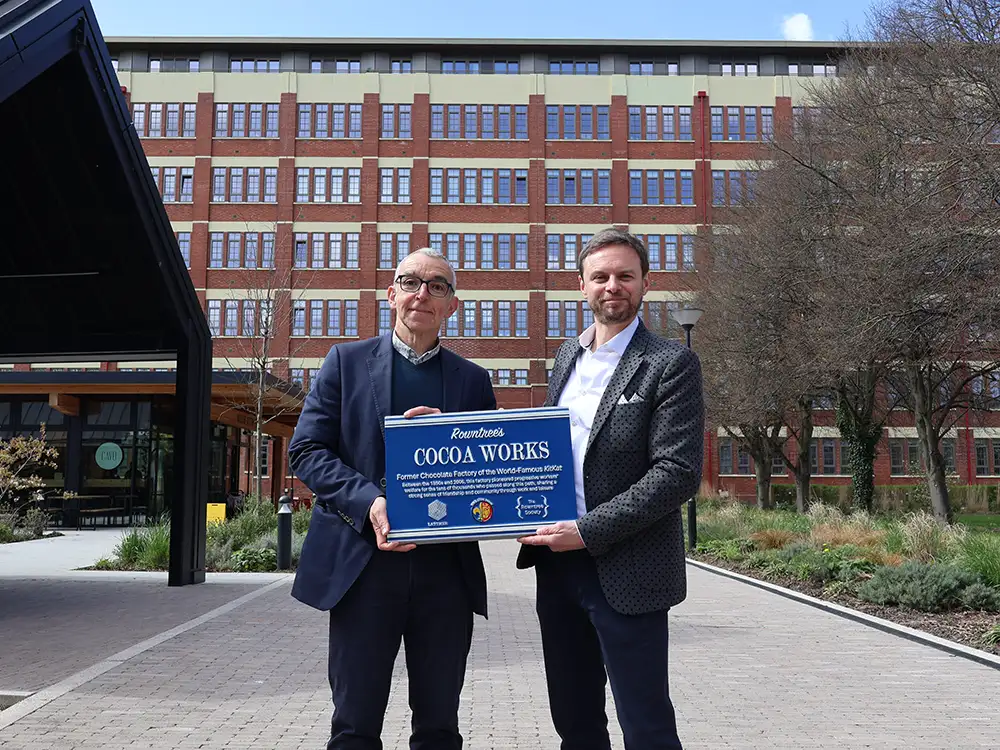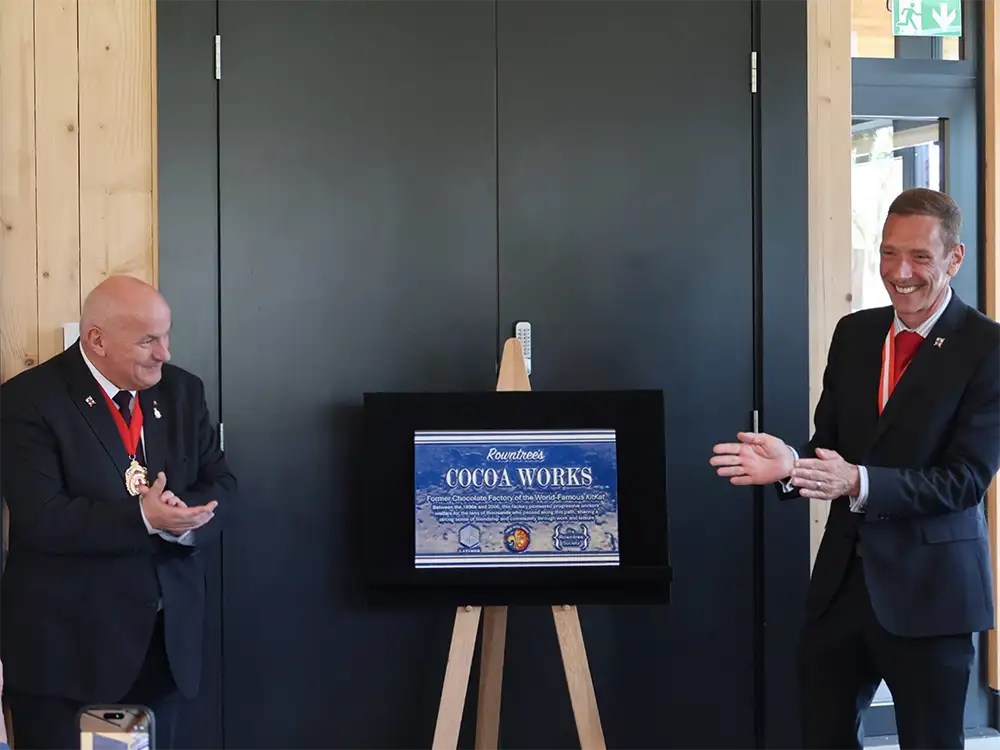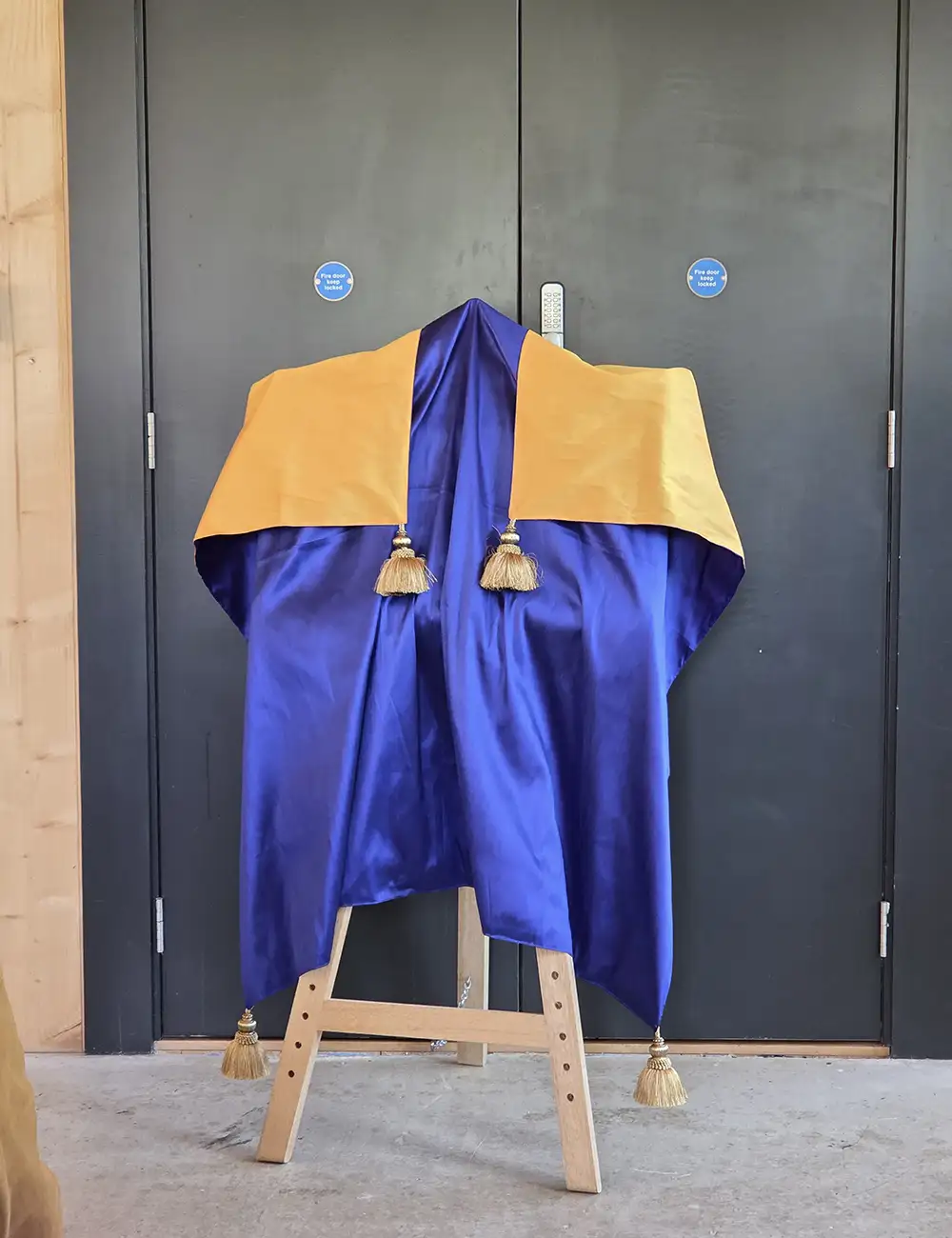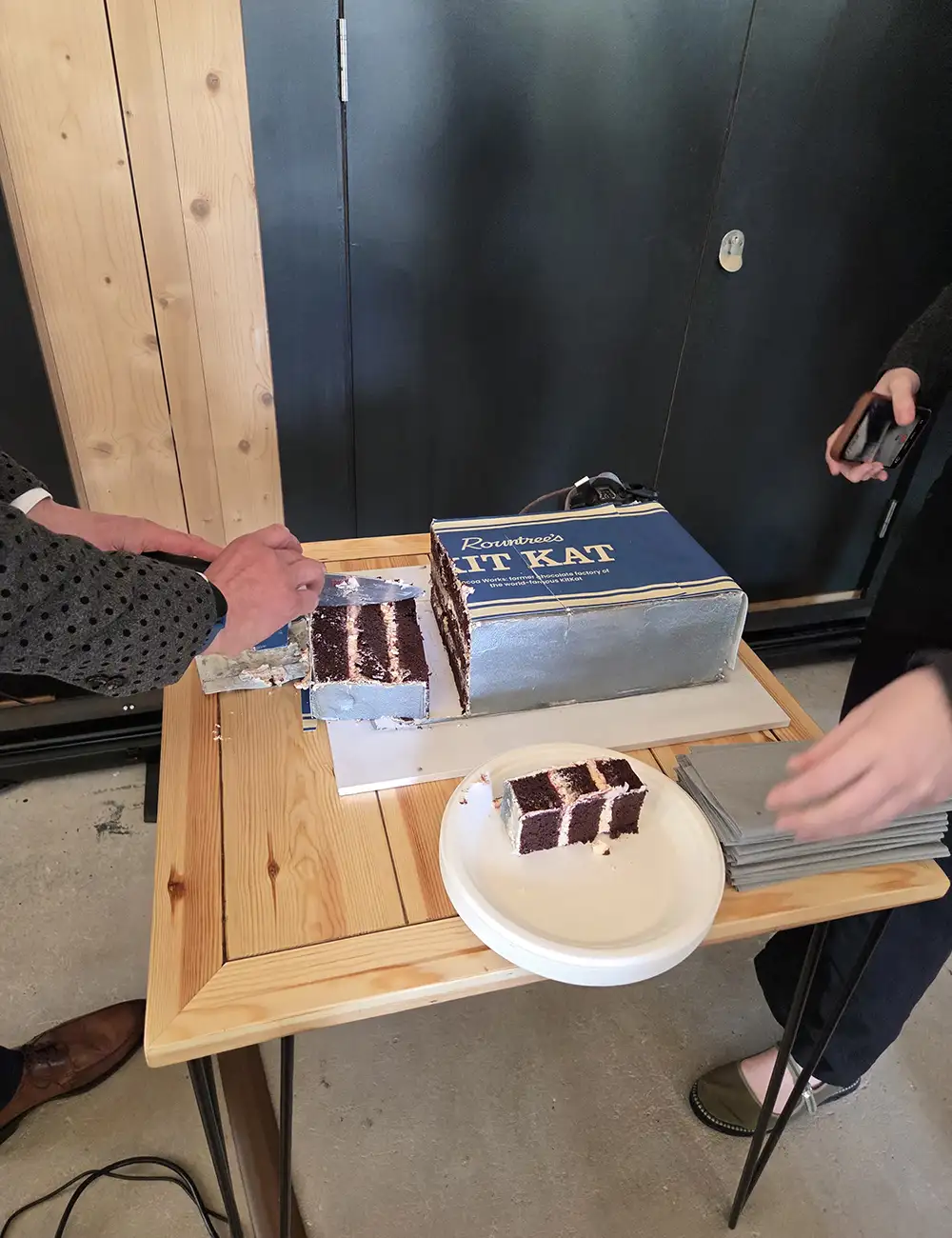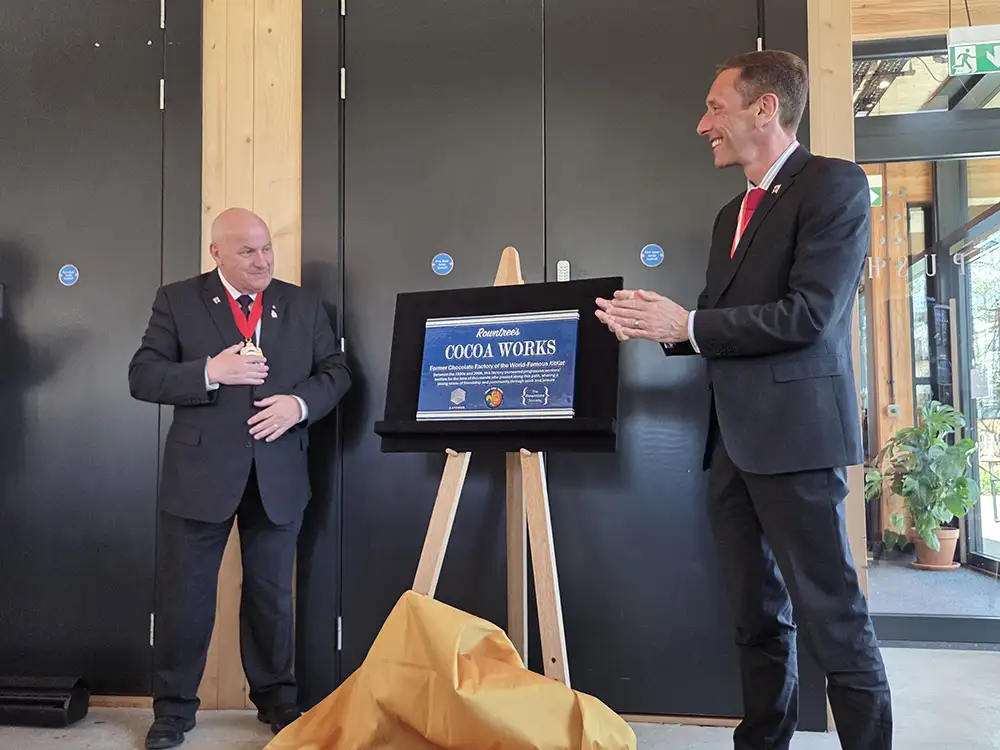

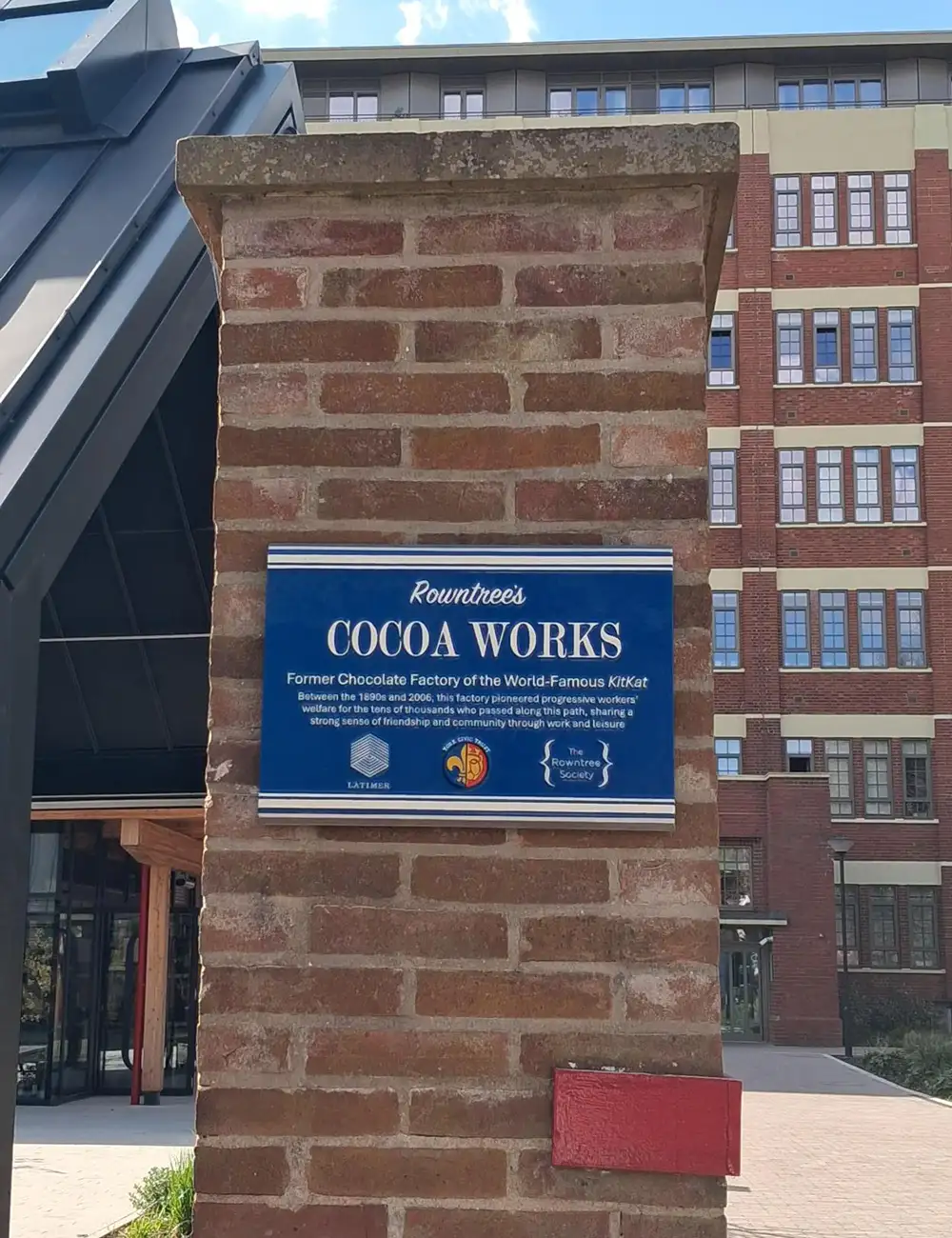
A new blue plaque based on a historic KitKat wrapper has been revealed today (Friday).
Installed by York Civic Trust at Cocoa Works in York, the plaque recognises the national significance of the former Rowntree factory in shaping Britain’s chocolate industry and as one of the most important confectionery factories in Britain.
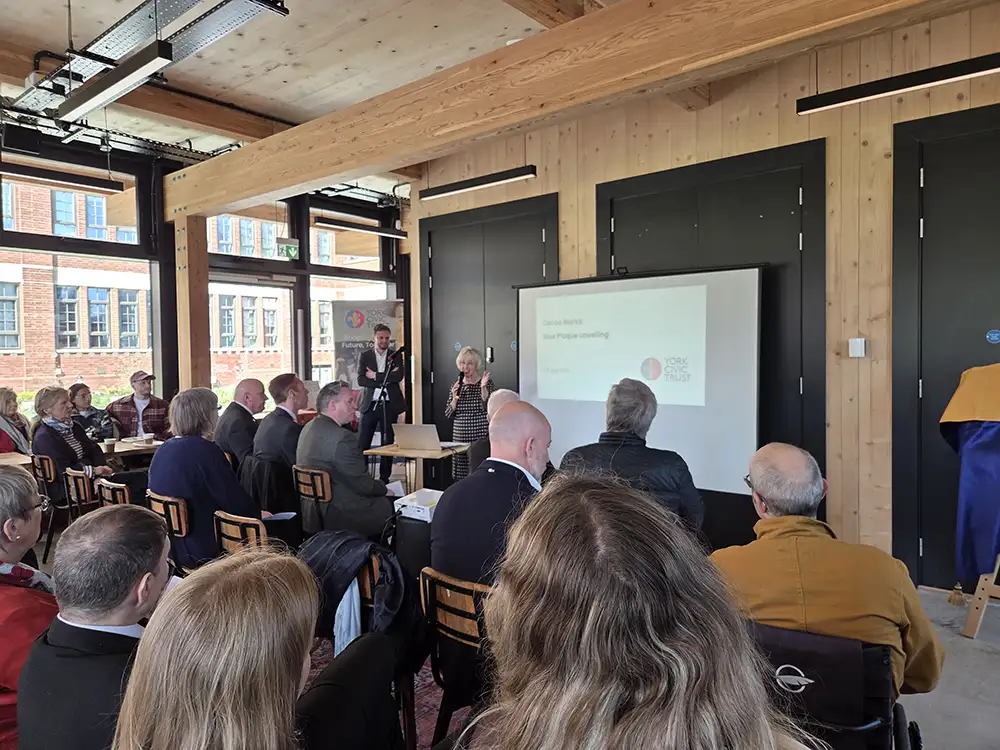
The blue plaque was unveiled during a special ceremony today, Friday 10 April.
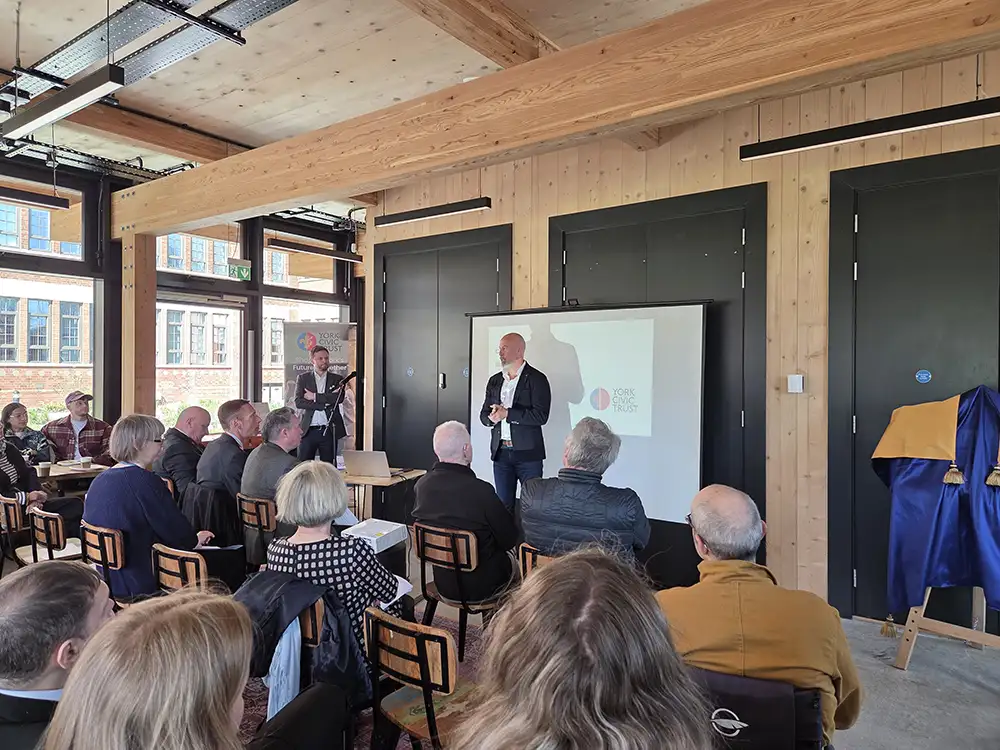
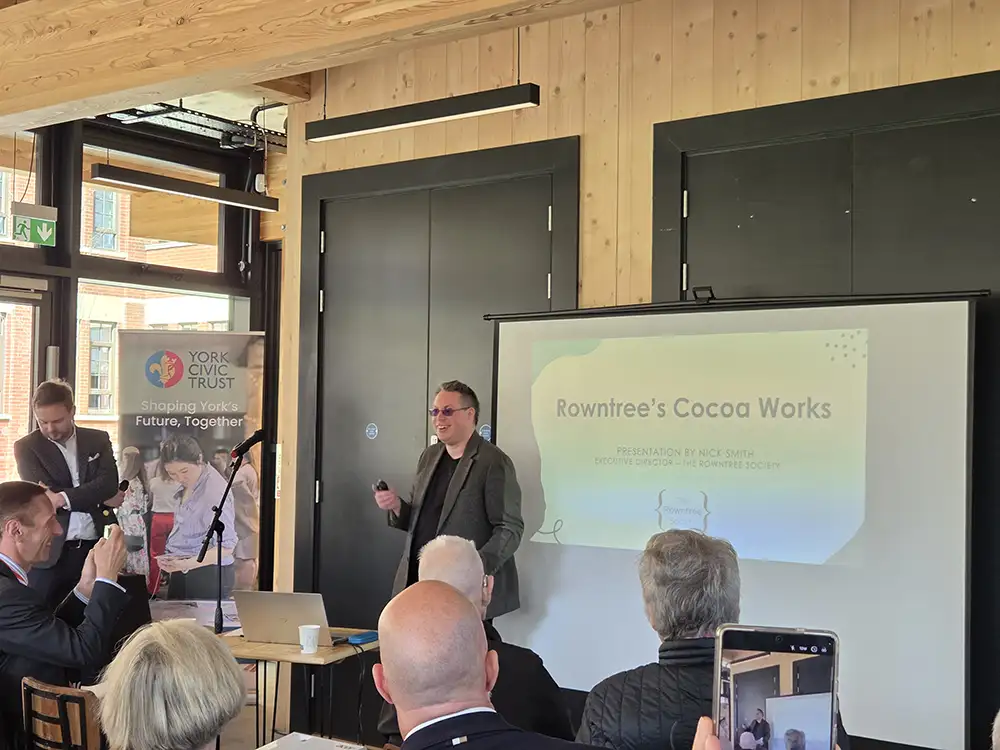
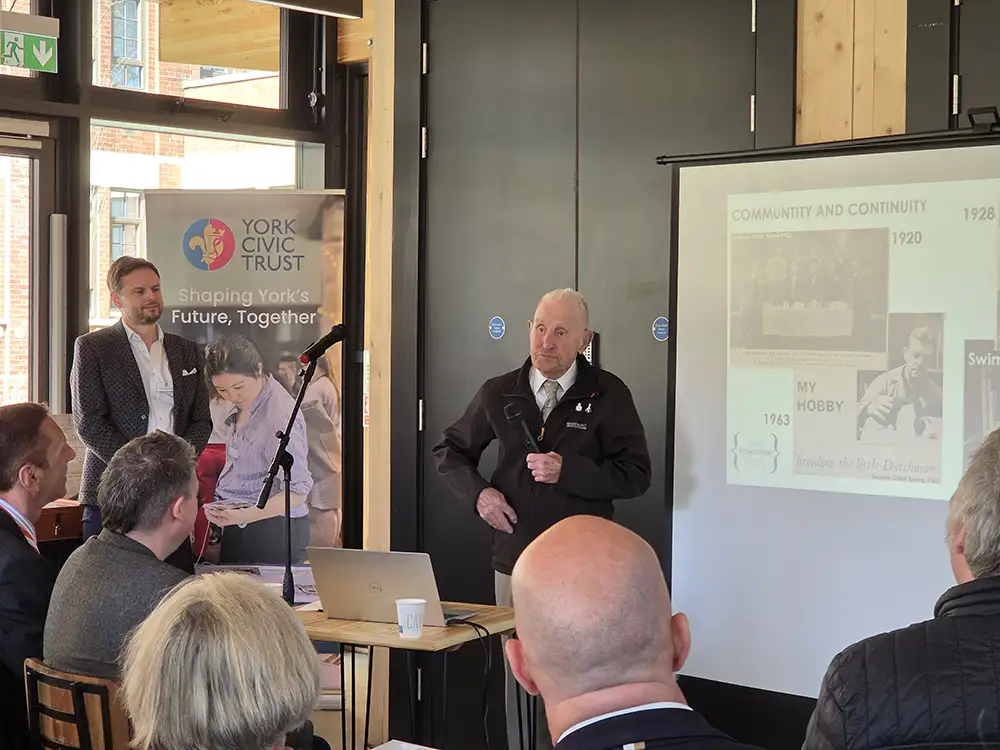
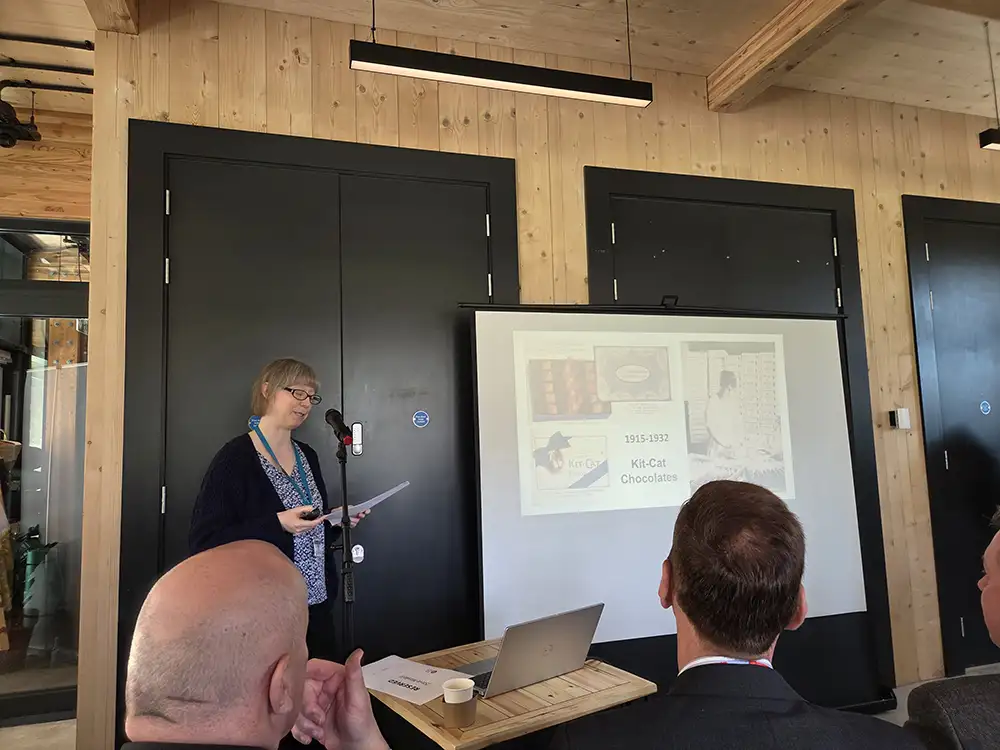
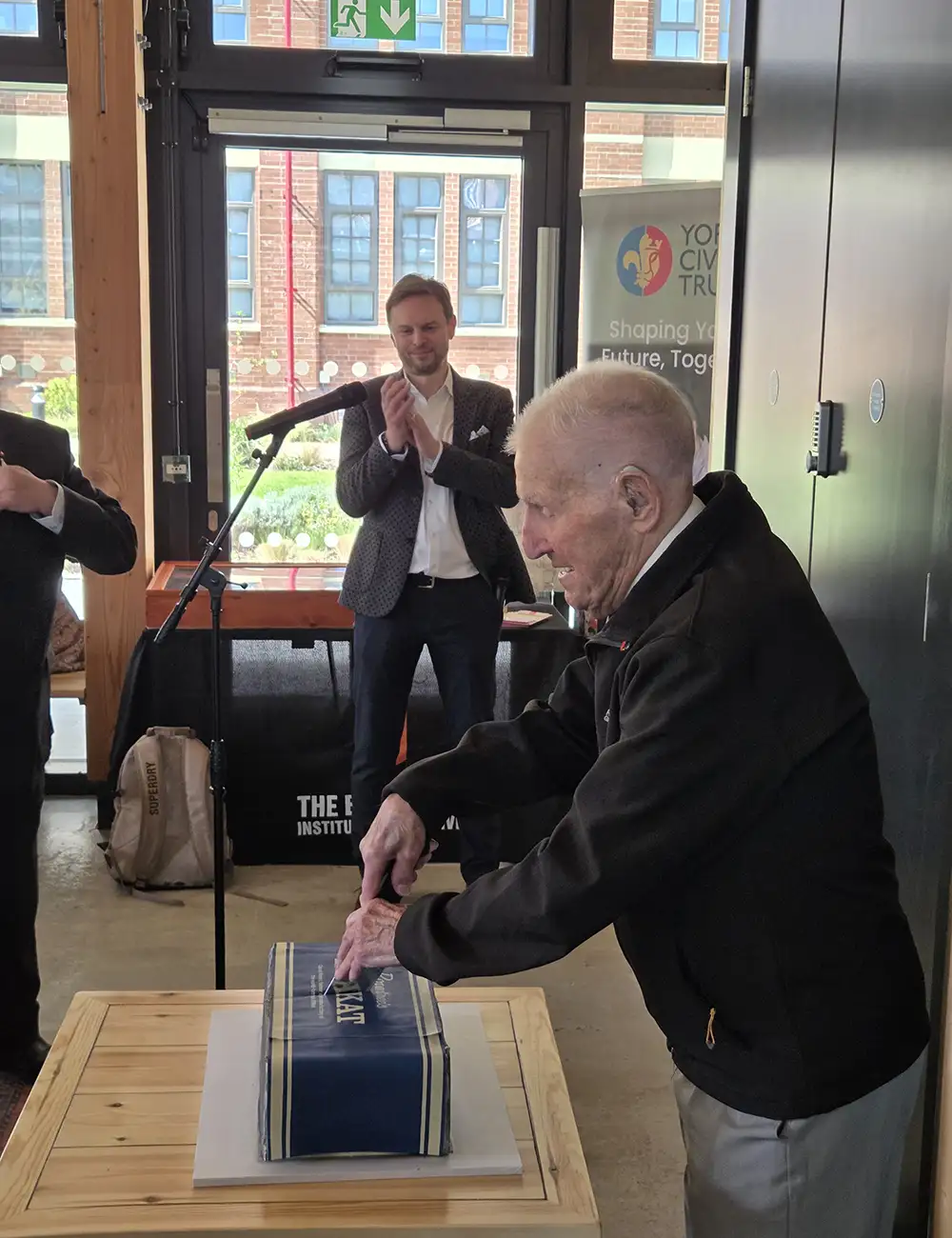
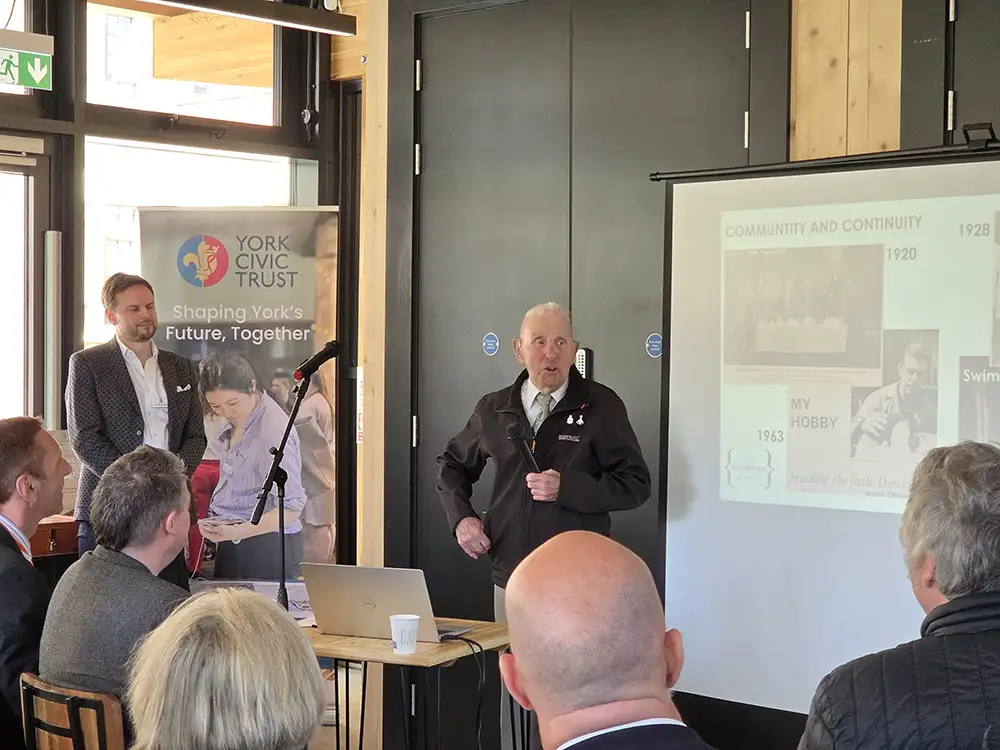
The event also featured an array of talks from guest speakers, including Delma Tomlin, chair of the board of trustees at York Civic Trust, Mike Briffett, regional manager director of Latimer Development at Clarion Housing Group, Nick Smith, executive director at the Rowntree Society, Dr Sally-Anne Shearn, archivist at the University of York, and Ken Cooke, York’s last-surviving veteran of D-Day and former Rowntree employee of 49 and a half years.
“It’s a real privilege to be here today,” said Mike Briffett. “Thank you to everyone coming along and helping us mark a really important milestone in the history of this fantastic building, that we’ve had the privilege of working on for the last few years.
“Whenever you start to work on a building that’s so iconic and so embedded in a community’s district, it fills you with a mix of fear and excitement – because you recognise just how important buildings like this have been in the communities that they’re situated in and the important role that they play in bringing communities together.
“Rowntree wasn’t just a factory as a place of work, it was a way of life, curated by Joseph Rowntree and his team at the time – helping to provide public, open space, in education and addressing social poverty. So it’s an immense privilege to work on something like this.”
The attendees to the unveiling ceremony were treated to Ken Cooke’s tales of his experiences working at the factory before and after being called to war, and across nearly five decades he worked in the traffic department, the sawmill, gum department – he was on the first two machines that made Polos – the boiler house, plumbers, and the blacksmiths.
The Cocoa Works helped make York internationally synonymous with chocolate production, manufacturing well-known brands including KitKat, Smarties, Aero and Milkybar.
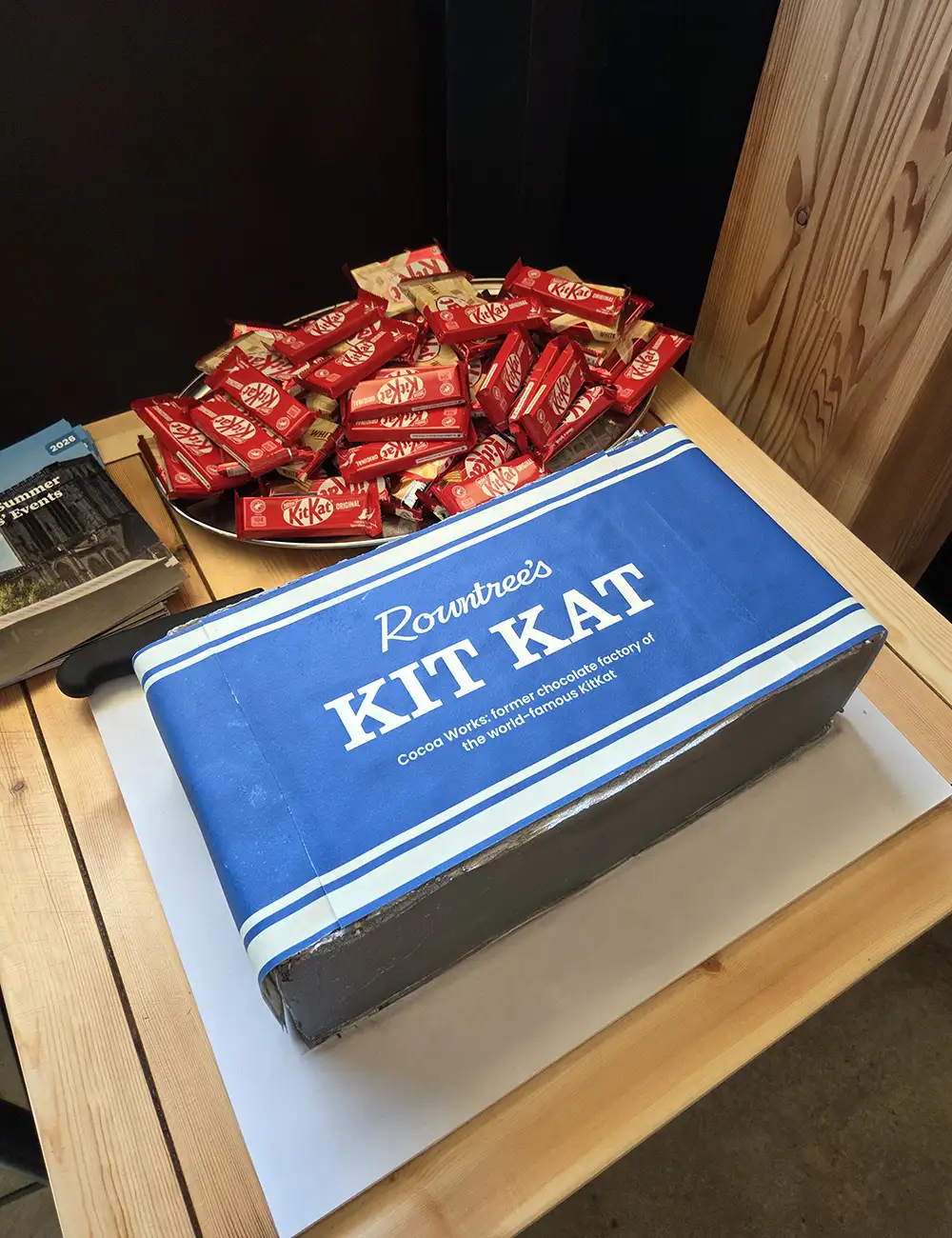
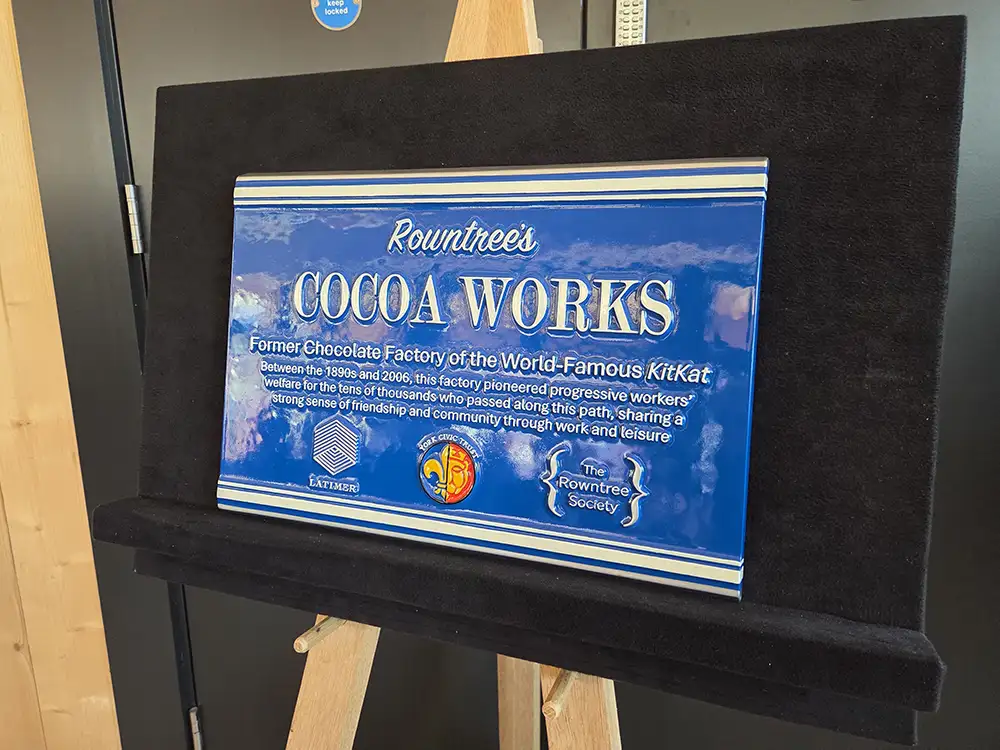
The plaque’s design takes inspiration from historic Rowntree packaging, notably
the distinctive blue wartime ‘KitKat’ wrapper introduced during the Second World War when milk was rationed and a new recipe had to be devised. KitKats were exclusively produced in this factory in York until the 1970s. The plaque’s blue colour reflects this historic moment, while keeping to the established tradition of York Civic Trust’s plaques being blue.
The Haxby Road factory employed more than 6,000 people by 1920. It was notable not only for its scale and output, but for its pioneering approach to industrial welfare and innovation in food production. It incorporated dining halls, medical facilities, education spaces and recreational amenities – reflecting a broader commitment to employee wellbeing.
Duncan Marks, heritage and planning manager at York Civic Trust, said: “York’s identity as a city of chocolate was shaped here, and through Nestlé it remains an international brand.
“The Rowntree factory combined industrial innovation with a progressive approach to worker welfare, with influence felt nationwide. This plaque ensures that contribution is properly recognised and remains part of York’s story.”
Nestlé continues to produce chocolate in York, but the factory building closed in
2006 and has recently been redeveloped by Latimer, the development arm of Clarion Housing Group, into an £80 million residential scheme. The Cocoa Works now provides 279 apartments.
The plaque forms part of York Civic Trust’s programme to recognise places that have shaped the city and its wider national story. In its 80th year, the Trust is highlighting sites that contributed to Britain’s industrial, social and cultural development.
Gallery