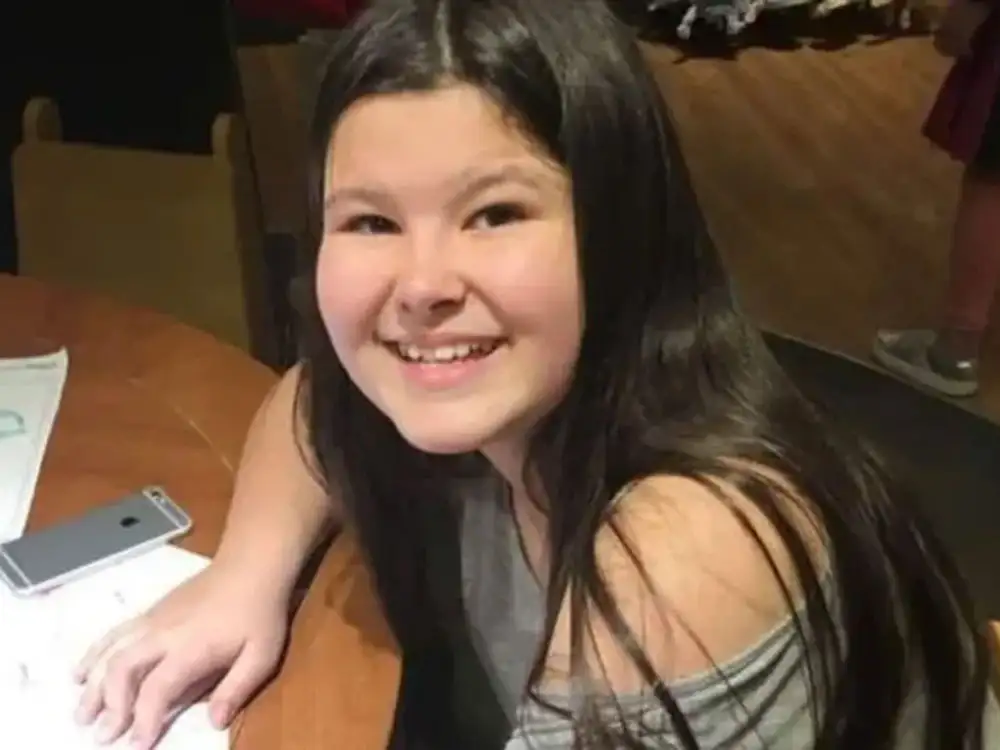

It cannot be established why 16-year-old Leah Bedford entered the river in York, a coroner concluded today (Tuesday).
At the end of a two-day inquest into the death of the Acomb teenager, senior North Yorkshire coroner Jon Heath said there was simply no evidence as to how she came to be in the Ouse.
It came as her family said the “lively, bubbly” but troubled girl had received insufficient support from social services that left her “more vulnerable than she should have been”.
Leah was reported missing on 20 September 2023. She was recorded on CCTV in the early hours of that day near the Lendal Bridge steps and on the riverbank on her own.
Her body was found in the River Ouse near Terry Avenue on 28 September.
The inquest had heard how Leah had been living in Howe Hill Hostel in the weeks running up to her death.
She had suffered many traumatic episodes in her life and used drugs and alcohol as a way of coping.
On 6 September 2023, Leah reported being raped. Her evidence saw Kristian John Franks, 35, of no fixed address, charged with her rape, but the charge had to be dropped after her death. He was jailed for the rape of another woman.
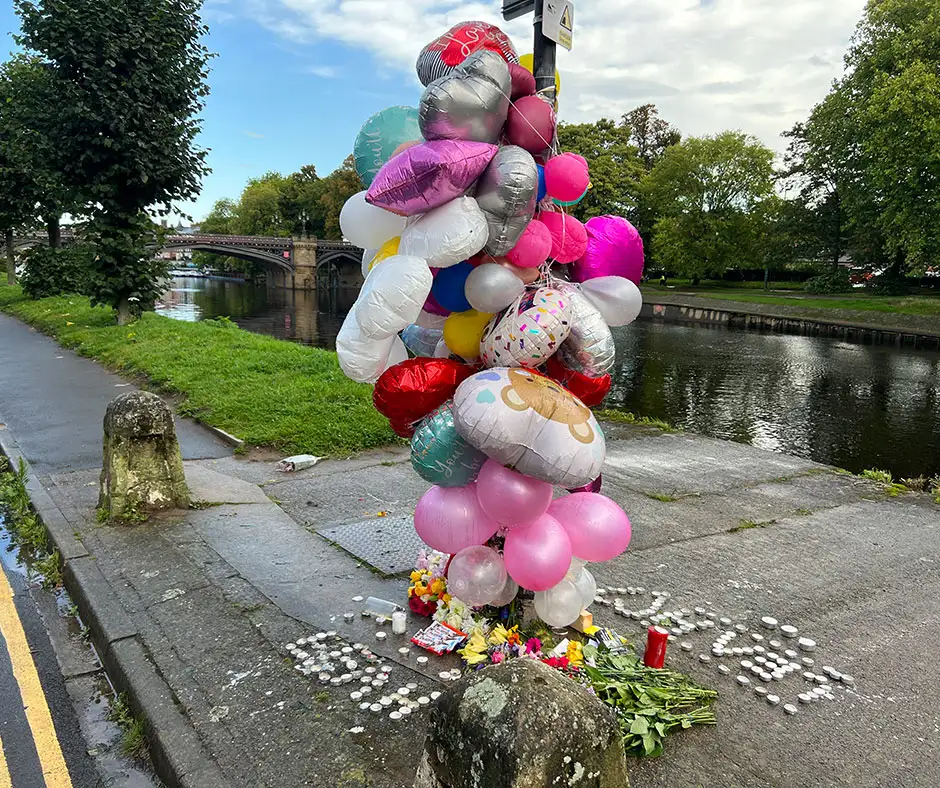
After that attack, social services regarded Leah as a high risk.
At the start of day two of the inquest in Northallerton, Mr Heath read a statement from her father, Paul Bedford.
He said Leah was kind, friendly and outgoing and had the support of a large family, in particular her aunties, Jayne, Mandy and Leonie.
In her teenage years, the loss of her mother, nana and auntie had a profound effect on her.
She attended York High School and “things were looking good” until she reached the age of 15 or 16 when she started to socialise out of school with children older than her. She didn’t manage to sit her GCSEs and social services became involved.
Lewis Rodgers, resettlement services manager at City of York Council, told the inquest about Leah staying in Howe Hill Hostel on Acomb Road.
The hostel offers accommodation and support for young people aged between 16 and 25, with the aim of getting them independent living space or reconnecting them with their families.
He said Leah started using the more informal Crash Pad accommodation at the hostel on 30 June, befire getting her own room there between 24 July and 22 August. Then, on 30 August, she started accessing the Crash Pad again.
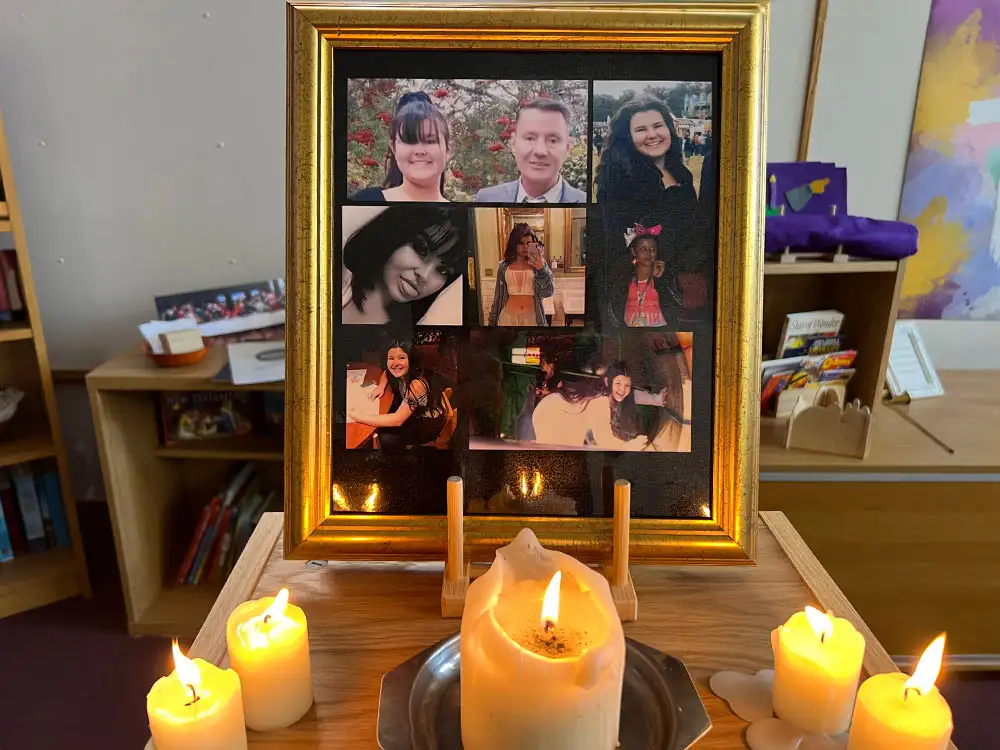
Mr Rodgers said sometimes Leah was intoxicated, and in those cases they would take steps to safeguard her – ask her what she’s taken, assess the risk of overdose, get medical attention when required and otherwise monitor her wellbeing.
It was the staff at Howe Hill Hostel that reported her missing.
Nichola Everett was the service manager at the Tees Esk and Wear Valley NHS Foundation Trust. She told the inquest about the trust’s review following Leah’s death.
Ms Everett apologised to the family because they didn’t send out a condolence letter to Mr Bedford after learning of the death of Leah.
In his conclusion, Mr Heath said that there was no evidence of any third party involved in Leah’s death by drowning and a post mortem found no signs of injury.
She had “potentially fatal levels of cocaine, ketamine, MDMA” in her bloodstream. The toxicologist said that her state of mind must have been affected by these drugs.
He outlined three multi-agency meetings held in September to discuss Leah’s case.
On 19 September Leah met with her social worker Amy Gilbank and told her that the previous night she had taken drugs with friends at a memorial for a friend who had died.
She didn’t articulate any suicidal ideation at that meeting.
“I cannot be satisfied that Leah took the drugs or entered the river with the intention of taking her own life,” Mr Heath said. “There is simply no evidence available as to how she came to be the river.”
There was equally no evidence of an accident.
“It cannot be established how she came to enter the river,” he added. “I apologise that I don’t have any specific answers, because we simply don’t know because of the lack of evidence of CCTV.”
He offered his condolences to the family and added that “there’s not many dry eyes in the court, including the professionals”.
Family statement
Leah’s father Paul Bedford released this statement on behalf of the family after the inquest.
“Leah was a vibrant and loving 16-year-old. She was a lively, bubbly teenager who brought warmth and laughter to everyone around her.
“Despite this outward brightness, she had experienced considerable loss and grief from an early age and carried burdens that were difficult for someone so young to manage.
“She struggled at times to find healthy ways to cope and, sadly, sought out outlets that placed her at risk. However, we feel that these may not have been the circumstances that led to her untimely death.
“Leah was deeply loved by myself, her wider family and her friends. Her absence has left an immeasurable void in all of our lives.
“As a family, we are concerned that the support and safeguarding measures provided by social services were not sufficient.
“We believe key risk factors were not fully recognised, and that the response to incidents leading up to her death did not meet the appropriate level of urgency or care.
“Communication with myself was infrequent and incomplete, and important developments were not consistently shared with him. These missed opportunities, in our view, left Leah more vulnerable than she should have been.
“We share these concerns not to assign blame, but in the hope that lessons can be learned and that other young people and families will receive timely, thorough, and coordinated support in the future.”