
A shake-up to City of York Council has taken a step forward despite disappointment over some proposals and suggestions for changes.
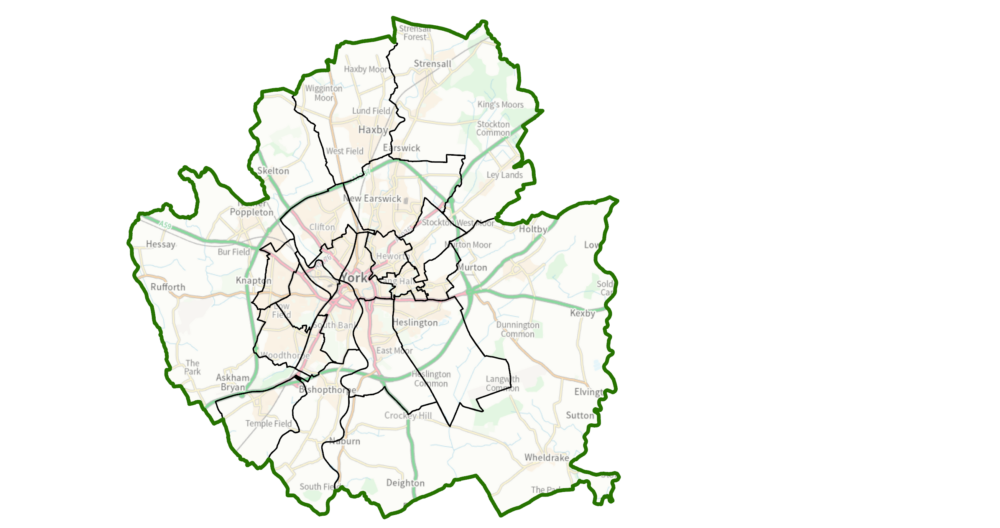
The Local Government Boundary Commission for England (LGBCE) plans would see changes to the number of councillors and the boundaries of the authority’s electoral wards.
A council report stated the proposals would leave the authority with an extra councillor, 48 up from 47 currently, and one new ward which would take the total to 22.
But it added there was disappointment from a council group which examined the proposals that they would leave York with an even number of councillors, with some changes recommended.
It comes as councillors voted to back the authority’s response to the LGBCE proposals on Thursday, July 16.
The commission’s proposals for ward boundaries form phase two of its Electoral Review of York Council which began last year, with the first dealing with the size of the council.
Electoral reviews of councils take place from time to time and the last one in York happened in 2014.
They aim to ensure councillors represent roughly the same amount of voters each and the current review has taken population forecasts over the next five years in York into account.
Forecasts predict the number of electors is set to go up from the 156,099 in last year to 170,031 by 2031.
The LGBCE is an independent body which oversees the reviews while taking input from the council’s political groups and the public.
The council is currently made up of a 24-strong ruling Labour group, a Liberal Democrat opposition with 19 councillors, three Conservatives and one from Restore Britain.
A group of councillors who examined the LGBCE’s proposals and drafted the response backed on Thursday called for some changes before they are adopted.
The task and finish group said the Dunnington ward, which includes the parishes of Dunnington, Holtby, Kexby, Scoreby and part of Murton, should remain separate rather than being included in Derwent.
They also called for Wheldrake ward, which includes the Wheldrake, Elvington, Deighton and Naburn, to be kept separate from Derwent.
A proposal to keep Tang Hall and Derwenthorpe and stop the latter being split up as proposed by the commission, to reflect that it is a recognised single community.
The group also said the Osbaldwick ward should include the southwestern portion of the Murton parish, up to the Osbaldwick link road.
The council report on the group’s response said: “The council expresses its disappointment that the LGBCE proposals resulted in an even number of councillors.
“But in light of the major changes required to a wide variety of wards which a decision to resile from the recommended number would cause, the council does not consider that the proposals should be reconsidered.”