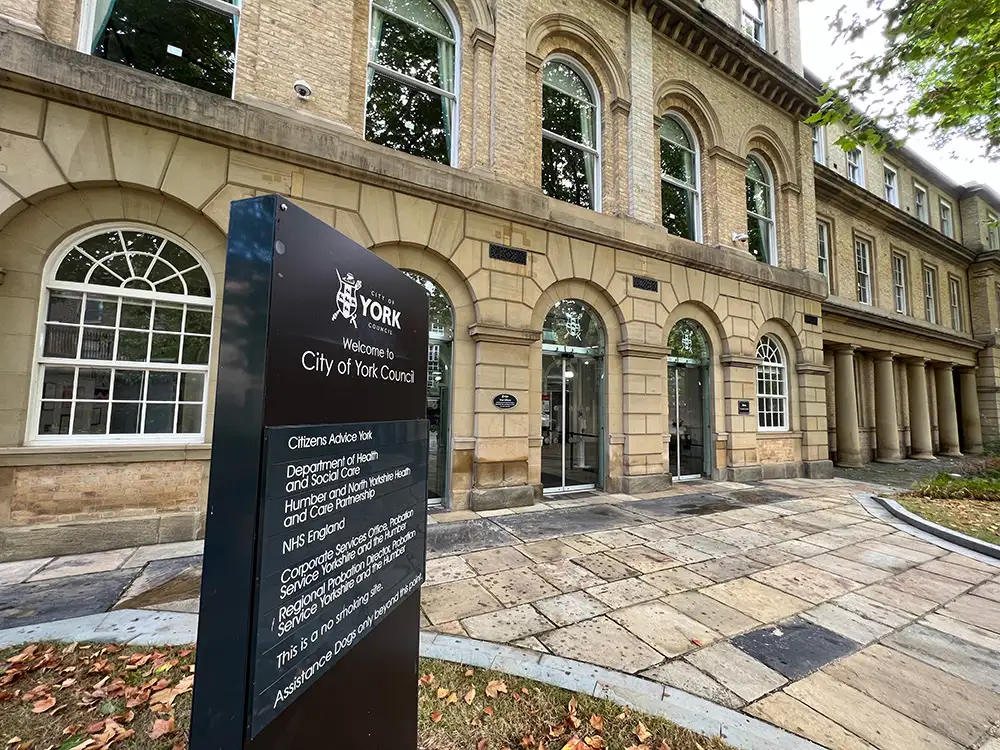

The Iran war has driven up fuel costs by thousands of pounds a week for a York council.
Figures from City of York Council put the extra fuel costs at £5,500 per week since the US and Israel launched strikes against Iran at the end of February.
A council spokesperson said arrangements it had for buying electricity and gas had minimised the effects of price shocks.
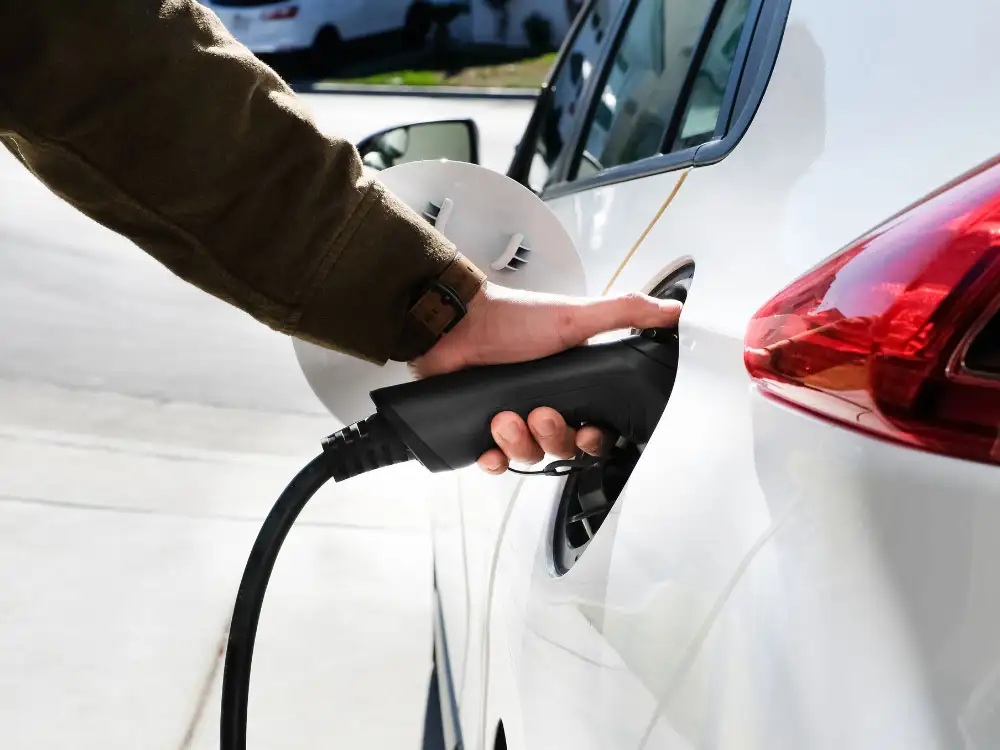
They added its increased use of electric vehicles in recent years had helped to cushion the blow of rising fuel costs.
The increases come as Washington and Tehran announced a two-week ceasefire after President Donald Trump said a whole civilisation would die if a deal was not reached.
Iran has agreed to reopen the Strait of Hormuz as part of the truce ahead of talks to try and reach a peace deal.
The Strait’s closure by Iran in retaliation against US and Israeli attacks has contributed in large part a surge in oil prices and fuel costs as a result.
Oil and gas prices also spiked in the days following the outbreak of war, resulting in higher petrol and diesel prices and energy cost increases across the world.
The Smart Energy Company broker said oil prices and UK gas prices dropped by 10 per cent and 14 per cent respectively on yesterday (Tuesday).
But it added the ceasefire was fragile, structural damage would not be reversed by a two-week pause and mines in the Strait of Hormuz would take months to clear.
City of York Council has a contract with the Yorkshire Purchasing Organisation (YPO) for gas and electricity for its own running costs.
YPO has a three-year foward buying strategy which the council’s spokesperson said help to manage the risk of price variations.
The spokesperson added it buys fuel in bulk every week on a contract with Standard Fuels through YPO.
The spokesperson said: “Following the start of the Middle East conflict fuel prices became very volatile and Standard have changed to daily pricing based on a global benchmark system.
“Prices have increased by around 40 per cent since the start of February.
“We have a rolling order for 12,000 litres per week to keep our tanks full, and based on that figure, the council’s weekly fuel costs have increased by £5,500 per week since the start of the conflict.
“However, our weekly fuel usage has reduced by around 21 per cent since 2022 due to a move to using more electric light vehicles, so the impact of increasing fuel costs is less than it would have been without the use of electric vehicles.”