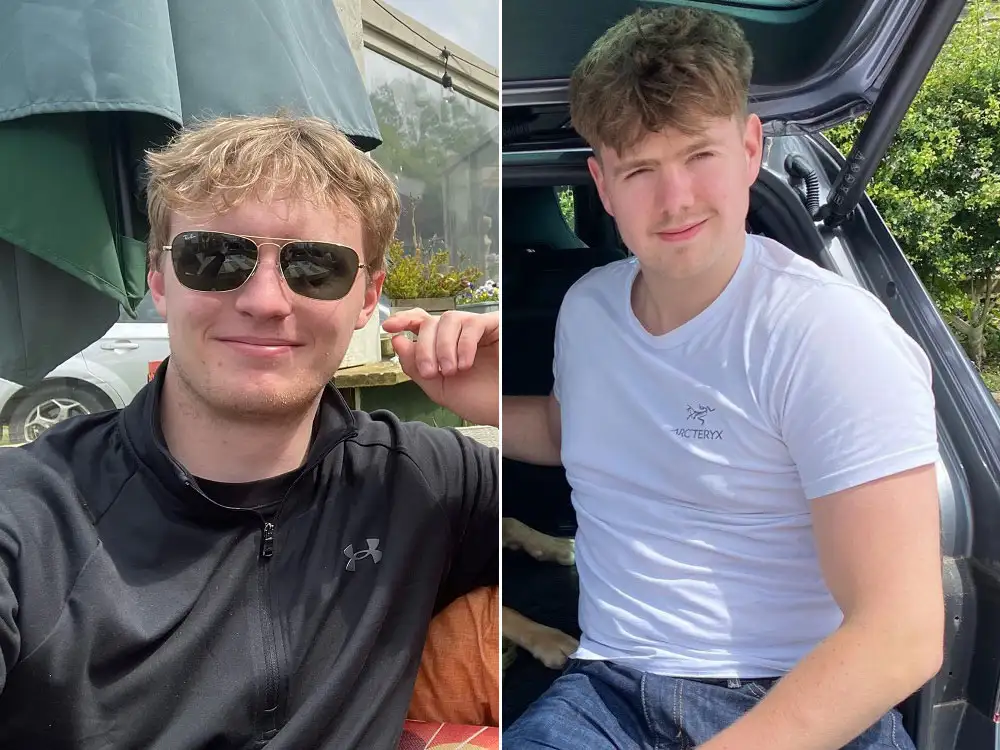

Two men died in a plane crash near York when the pilot was unable to recover from an aerobatic manoeuvre.
Matthew Bird, 21, and Oliver Dawes, 24, died when their light aircraft came down in a field near Thorganby, between York and Selby, on Sunday 28 July 2024.
An Air Accidents Investigation Branch report says the two-seater Cessna FRA 150L aircraft took off that day at 8.15am from Breighton Airfield in good weather.
The pilot, Matthew, “informed Humberside radar control of his intent to perform aerobatic manoeuvres between 3,000 and 6,000ft”.
Video recordings from the cockpit showed the pilot performing lookout turns and he “regained altitude between each manoeuvre”.
The report continues: “At 844 hrs, the pilot entered the aircraft into a power off stall then a spin to the left.
“While descending below 1,300ft, according to radar data, he transmitted a MAYDAY call saying the aircraft was ‘in an uncontrolled spin’.
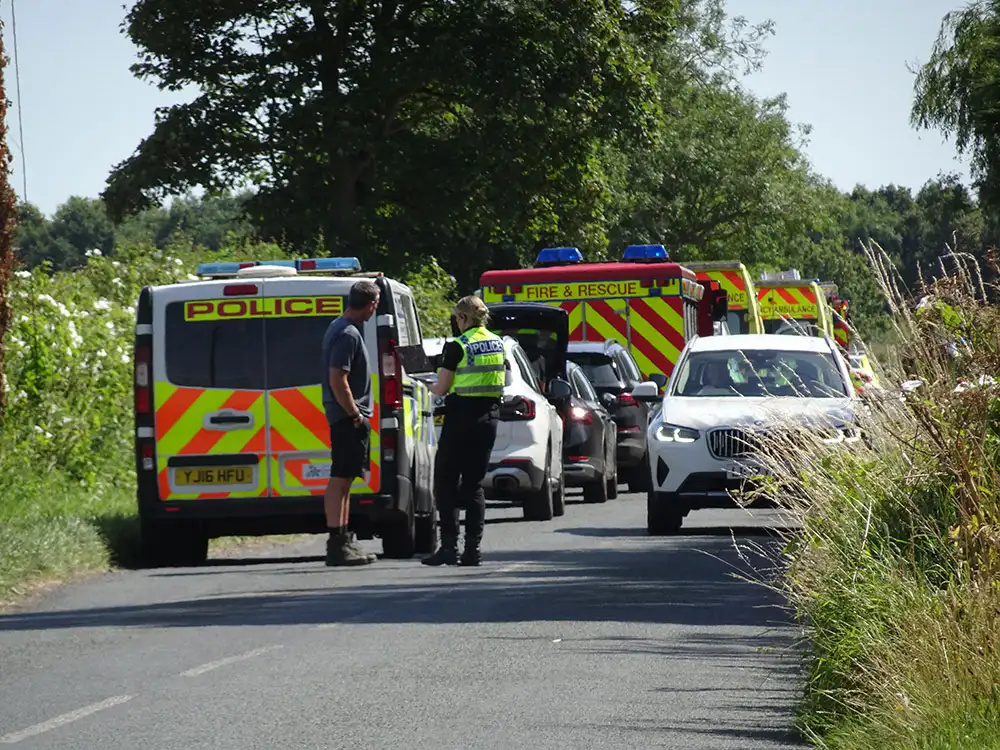
“The air traffic control officer replied but there were no further transmissions from the aircraft.
“The aircraft’s average descent rate was about 5,700 ft/min. It disappeared from radar when it was below 600 ft and struck the ground in a field near Thorganby at 0845 hrs.”
Video footage from an action camera and a phone in the cockpit was recovered as part of the investigation.
“The video recordings gave a good view of the pilot’s actions and captured several aerobatic manoeuvres performed during the flight, including the spin,” the report says.
“In some of the recordings, the pilot made a series of hand gestures before entering a manoeuvre, which appeared to indicate the manoeuvre he was intending to perform.”
The aircraft then entered a fully developed spin to the left but, when recovery actions were undertaken, the control column was not pushed far enough forward to un-stall the wing.
The footage showed that the aircraft remained in a spin throughout the descent.
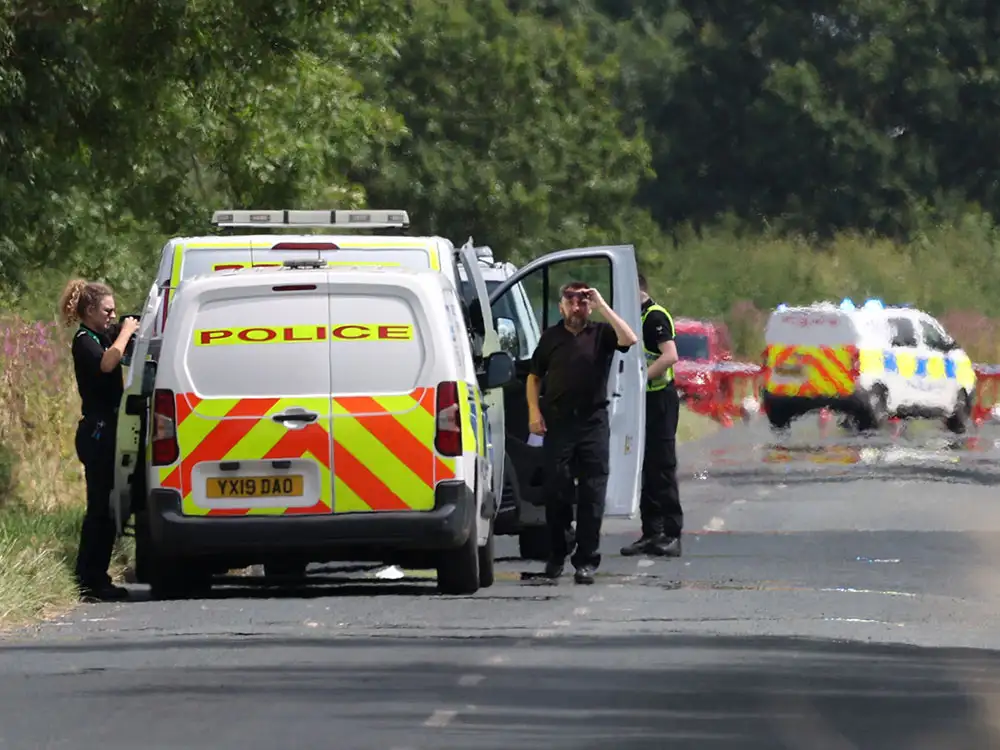
“The aircraft came to rest upright in a field having struck the ground in a nose-down attitude with a high rate of descent,” the report says.
“The engine and wings remained attached, but the upper section of the rear fuselage had broken aft of the cockpit section. This was a consequence of the accident, and there was no evidence of an in-flight structural failure.”
Matthew had begun flying in January 2021 and flew frequently from April 2024. “The pilot’s flying instructors described him as a particularly competent pilot with an enthusiastic and conscientious attitude to flying.”
He had undertaken aerobatics training including spin entry and recovery.
But the report concludes: “The pilot was newly rated for aerobatic flying, and it was likely that the spin recovery technique had not yet become a skill-based response that he could apply effectively even when surprised.
“The accident highlighted how unexpectedly challenging it can be to recover from multiple-turn spins.”