
Ofsted has revealed why it has put a York school into special measures.
This happens when inspectors believe a school is “failing to provide an acceptable standard of education, and the persons responsible for leading, managing or governing the school are not demonstrating the capacity to secure the necessary improvement in the school”.
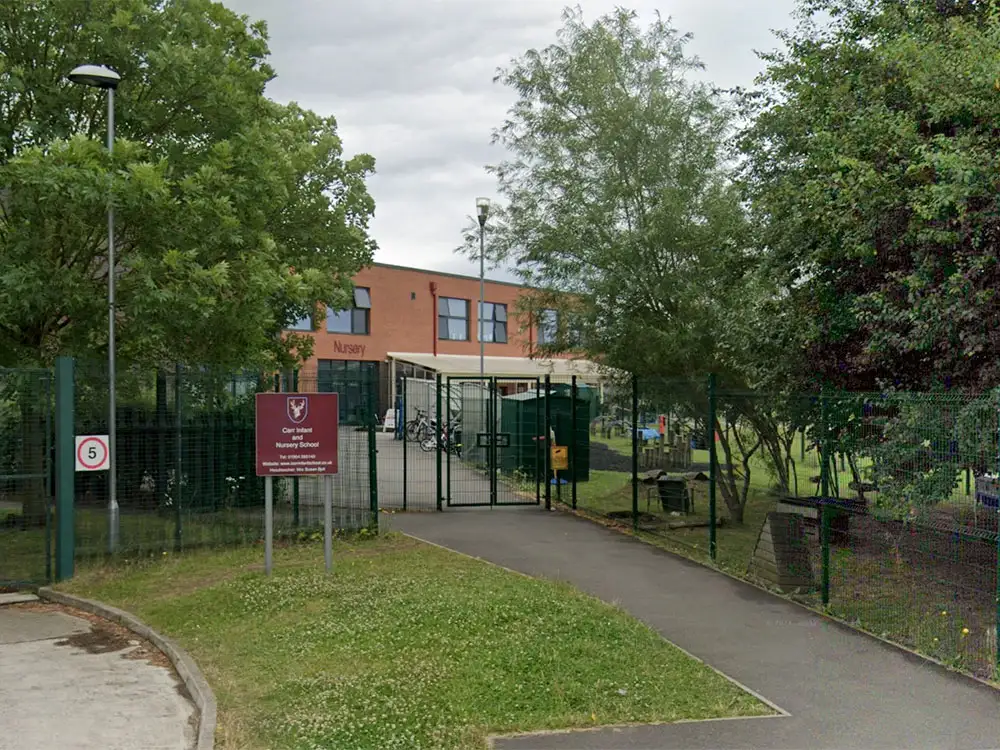
YorkMix reported last week that Carr Infant School on Ostman Road in Acomb was given the status after an inspection in January.
Now the Ofsted report has been published.
There are positives in the report. It says: “Pupils feel safe, settled and happy. They enjoy coming to school and most attend regularly.”
And Ofsted noted that a new leadership team was working to improve the school. Carr Infant School leaders have accepted the findings of the report and say they are already working to turn things around.
You can read about its rapid improvement plan here.
However the report identified significant issues, grading Carr Lane as follows:
- Attendance and behaviour – Needs attention
- Achievement – Urgent improvement
- Curriculum and teaching – Urgent improvement
- Early years – Urgent improvement
- Inclusion – Urgent improvement
- Leadership and governance – Urgent improvement
- Personal development and wellbeing – Urgent improvement.
The report says: “Pupils do not receive a high-quality education at this school. The curriculum is not designed or taught well enough to meet their needs.
“This includes for pupils with special educational needs and/or disabilities (SEND). Pupils, including children in the early years, have gaps in their learning. Their basic knowledge in reading, writing and mathematics is not secure.”
Here are extracts from the report from each of the key areas.
Attendance and behaviour
“Most pupils attend school regularly and on time. However, for some groups, such as those who are in receipt of pupil premium funding, attendance is not as positive. Consequently, they miss important learning.
“Leaders have revised the expectations for attendance. The school has a well-informed understanding of the barriers affecting pupils’ absence. It has started work with parents and carers, alongside external agencies, to support them effectively.”
Achievement
“Typically, pupils, including children in the early years, do not develop the foundational knowledge and skills that they need in reading, writing and mathematics.
“This is also evident more broadly for pupils who face barriers to learning, such as pupils with special educational needs and/or disabilities. Where pupils have gaps in this important knowledge, staff do not have the knowledge and expertise to address this quickly enough.”
Curriculum and teaching
“The curriculum, including that in the early years, is not adapted well to meet pupils’ needs or build on their starting points. The knowledge that pupils must learn at each stage is not clearly defined.
“This means that pupils’ experiences in lessons are focused on task completion rather than ensuring that they gain new knowledge and build on this.”
Early Years
“The opportunities that children have in the learning environment lack the ambition and detail required to support successful learning and development. Many activities that children access do not allow them to apply and practise new knowledge or develop their learning further.
“Children in early years benefit from established routines that support positive behaviour. They form early friendships with others and have positive relationships with staff. Children appear happy and settled at school.”
Inclusion
“Typically, pupils with special educational needs and/or disabilities (SEND) do not receive a high-quality education. The curriculum and support that they receive are not effective.
“These do not ensure that they make sufficient progress from their starting points. Staff use their knowledge to identify pupils’ additional needs. However, leaders do not ensure that staff have the expertise to check how well pupils’ needs are met.”
Leadership and governance
“Leaders’ actions have not been successful in improving areas of the school’s provision. Governors do not hold leaders to account sufficiently well.
“There has been a significant period of turbulence at the school. This has included the appointment of several headteachers, as well as changes within the governing body, in a short space of time.
“Recently, leaders have brought a renewed sense of energy, vision and drive. Their plans for improvement are appropriate, precise and aligned with the school’s needs.”
Personal development and wellbeing
“The development and success of current curriculum for personal, social and health education is at an early stage. As a result, it is not consistently applied by teachers across school. Pupils do not learn the knowledge that they need to develop their wider understanding of important issues, such as relationships, diversity and keeping healthy.
“Leaders have recently prioritised the most important information that pupils need to know in the personal development programme. Pupils learn how to keep themselves safe, including when online, through daily taught sessions.
“Pastoral support is established well in the school. Pupils value this support and care. Those who need additional help to manage their emotions receive this through the school’s pastoral offer, which provides some effective targeted support.”
You can read the full Ofsted report here. It puts forward ten next steps for Carr Infant School to address the issues.
In our report last week, interim head of Carr Infant School Matthew Oxley said: “We are pleased the report recognises the ‘renewed energy’ within our leadership and the commitment of our staff.
“While there is significant work ahead to reach the standards our children deserve, we now have the right plans and the right support in place to drive these improvements rapidly.”