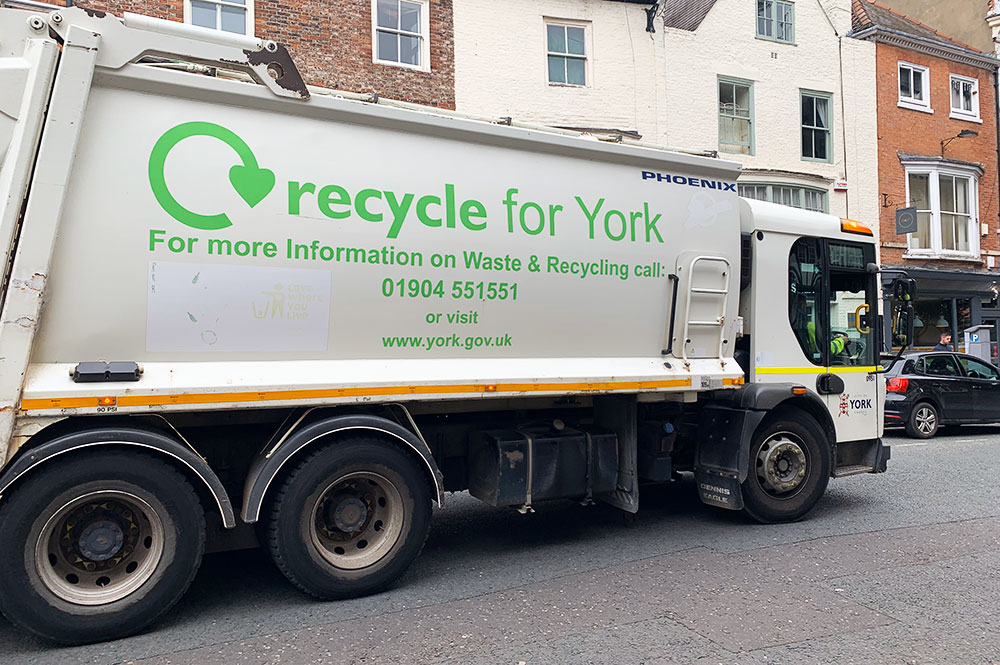

Food waste in York will not have to be collected weekly from next month due to arrangements in place until 2043.
The Government has agreed transitional arrangements for York ahead of a deadline for councils in England to collect food waste weekly from next month.
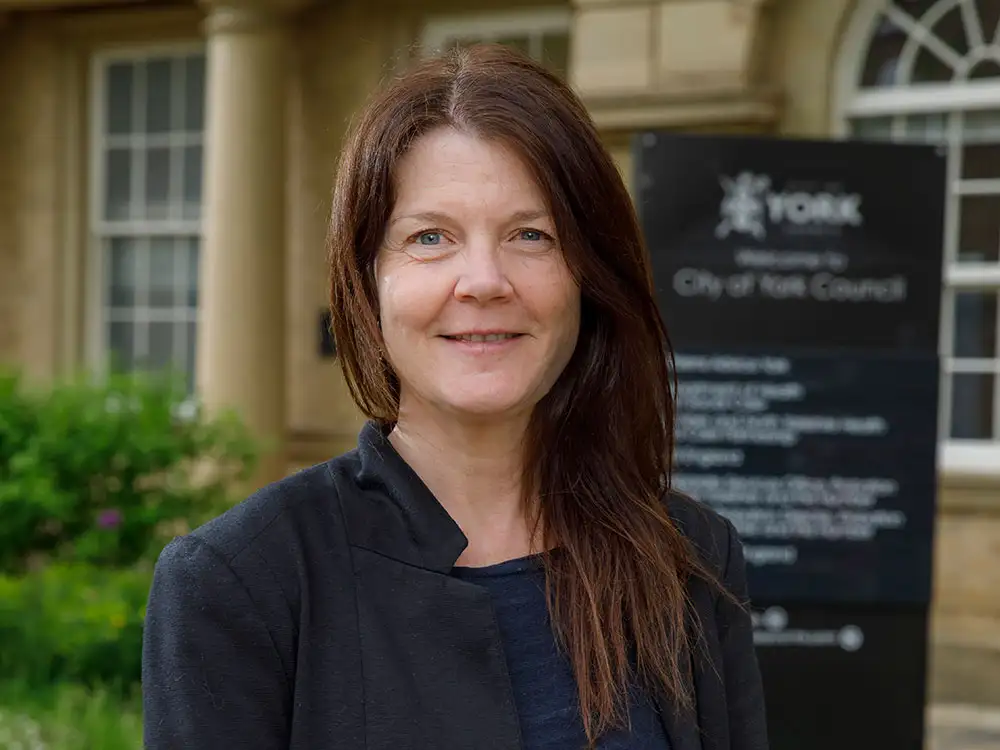
Cllr Jenny Kent, City of York Council’s Labour environment spokesperson, said it was due to a contract they had to process general waste, including food, to make biofuel.
A Government spokesperson said more than two thirds of councils were ready to make the changes by the end of March to help end the postcode lottery in bin collections.
It comes after at least 71 councils told the BBC they would not meet the deadline while another 31 have been allowed to start at a later date.
Councils were supposed to move to weekly food waste collections as part of the Government’s Simpler Recycling reforms.
They aim to make weekly food waste collections seperate from other household waste the default across England.
The frequency of collections of residual waste, paper, cardboard and other recycling will continue to be based on local needs.
Councils unable to meet the deadline told the BBC the demand for new specialist vehicles and funding issues were among the reasons for delays.
The Department for Environment, Food and Rural Areas (DEFRA) has provided grants worth more than £340 million to support the changes as part of £78bn for English councils this year.
Residual waste in York is processed through a mechanical treatment plant at the Allerton Waste Recovery Park which removes any metal or plastics for recycling.
An on-site anaerobic digestion plant treats organic waste including food to produce biogas.
Waste which remains after separation and treatment is burnt to power a turbine which produces enough electricity to power around 66,000 homes.
The council also operates a food collection service for businesses which is also disposed of at the anaerobic digester plant.
Businesses with 10 or more employees were required to separate recycling from food and other residual waste from March last year.
The requirement is set to expand to all businesses in March 2027.
Council environmental services lead Ian Hoult said the arrangements agreed with the Government recognised York had the facilities to deal with food waste.
Dave Atkinson, the authority’s environment and regulatory services director, said the arrangements were also a recognition that York was already doing better than other authorities.
DEFRA’s spokesperson said the Simpler Recycling reforms would help keep streets cleaner while empowering local authorities to deliver services in ways which work best for communities.