
As part of ongoing work to keep customers moving during significant engineering work, when parts of the East Coast Main Line (ECML) are closed, LNER is currently exploring options to divert services onto other routes.
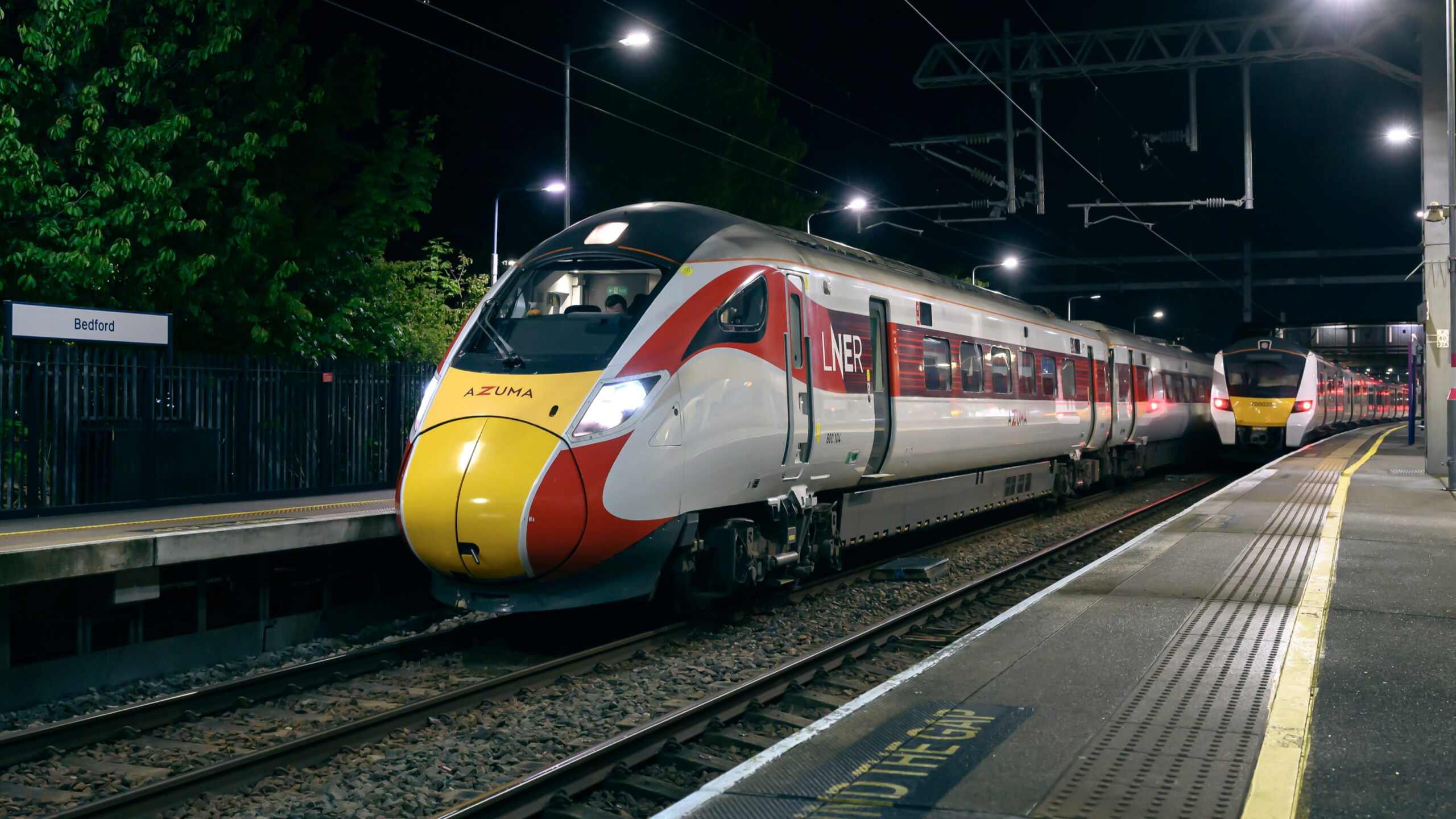
Last night, using a 9-car bi-mode LNER Azuma train, the unit (no. 800104) started its journey at Leeds, left the ECML at Doncaster, before joining the Midland Main Line at Chesterfield.
Currently when the line is closed between Peterborough and Kings Cross passengers have to take a bus ride to Bedford station to join Thameslink services to London.
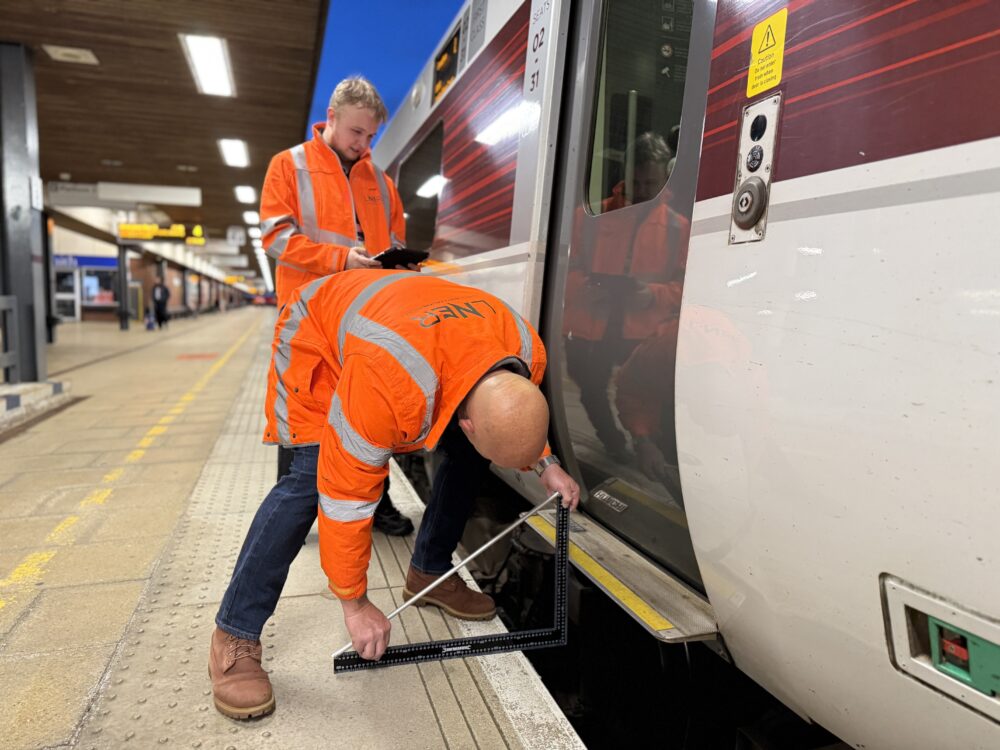
On its way south, the train stopped at Leicester, Kettering, Wellingborough and Bedford before returning northbound and calling at the same stations. At each stop, LNER teams carried out various safety and validation checks.
This test train follows a similar service in March 2025, where an LNER Azuma was diverted down the Midland Main Line into London St Pancras. On this latest occasion, intermediate station stops were tested to further inform future operational decisions should LNER services carry customers on this diversion route.
Further work will continue to take place to determine whether diverting some services onto the Midland Main Line would be possible. If so, it would offer greater options and freedom for customers travelling during engineering work.
Gunnar Lindahl, Joint Operations Director for LNER and Network Rail, said: “We know that engineering work can be disruptive for customers when they want to travel. This viability work is crucial in understanding whether we can provide them with an alternative option to travel, staying onboard trains.
“It has been good to carry out this additional test train after previously running down the Midland Main Line last year. These things take time, but we’ll continue to work with our partners in the industry to further understand whether we may be able to run trains on diversion routes with customers onboard in the future.”