
MPs in Parliament have been told that North Yorkshire Council’s controversial changes to home-to-school transport is an example of “policy failure”.
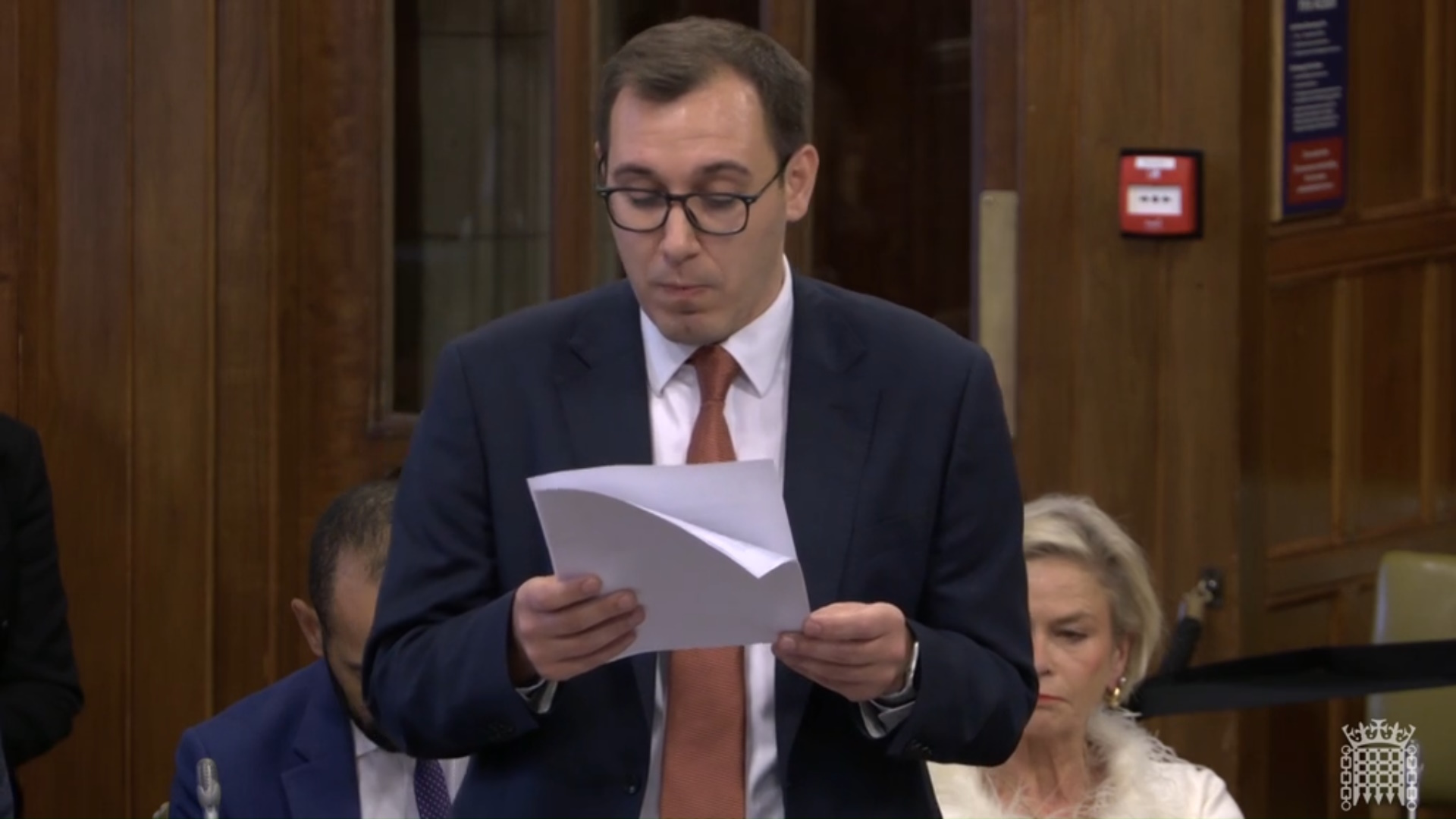
Speaking during a Westminster Hall debate (Wednesday 4 June), Harrogate and Knaresborough MP Tom Gordon called on the Government to change its guidance for free school transport eligibility to be based on a child’s catchment school as well as the nearest school.
The Liberal Democrat MP secured the debate amid continued anger over North Yorkshire Council’s policy of only providing free transport to a child’s nearest school.
He told MPs that while councils were facing significant financial pressures, the consequences of the policy were falling heavily on families across rural communities in North Yorkshire.
He said: “More than 1,000 families have been affected. There have been more than 200 appeals and at least 20 ombudsman cases in 2025 alone.
“A senior councillor who voted for this very policy has publicly admitted it contains ‘errors’ and that some families have been left as ‘losers’. That is not a rounding error. That is a policy failure.”
The MP added: “The single most impactful and achievable change the Government could make is also the simplest.
“The statutory guidance on home-to-school transport should be updated so that the minimum provision becomes the nearest or catchment school, rather than solely the nearest suitable school.”
During the debate, Mr Gordon questioned the council’s method of calculating the nearest school, claiming routes used in assessments included farm tracks, riverside paths, roads without pavements and other routes that families considered unsuitable.
Throughout the debate, Mr Gordon shared examples from constituents who face paying for transport despite living in areas already served by school buses to their catchment schools.
He said many parents had told campaign group School Transport Action Group (STAG) they may have to reduce working hours, give up jobs or find hundreds of pounds a year to keep their children in education.
Mr Gordon warned that the policy could also threaten the future of smaller rural schools by discouraging families from choosing their local catchment school.
He urged ministers to review national guidance, expand statutory transport entitlements and improve data collection on home-to-school transport.
“School buses are not a luxury in rural England,” he said. “They are essential infrastructure.”
The debate also heard from Sir Julian Smith, Conservative MP for Skipton and Ripon, who said the debate could not be held “without the context of what this Labour government is doing to rural areas”.
But he said the council policy was also impacting families in his constituency.
“Schools in the heart of the Dales need feeder schools to keep their numbers up and have got historic links with primary schools in Bentham, Ingleton and other parts of the constituency.
“But those kids are now being sent out from North Yorkshire into Lancashire and other counties.”
Richmond and Northallerton MP Rishi Sunak also raised concerns about the impact on families in his constituency.
He said: “Families in the Upper Dales and Swaledale have been acutely impacted by this policy.
“They are also now being directed to schools in Kirkby Steven and Barnard Castle, and getting their requires passage on very minor roads, single-track high moorland roads that are often unpassable and unsafe in the winter months, and this has obviously caused concern for the families involved.”
In response to the debate, North Yorkshire Council’s assistant director for children’s partnerships and sufficiency, Jo Heaney, said the policy ensured “fairness and consistency for families across the county and is in line with national legislation set out by the Government”.
She added: “Rising costs of delivering our home to school transport duties mean that our costs now exceed £52m per year – £1m every week – making it one of the top three areas of the council’s spending.
“Despite the significant cost pressures, paid permits are available for children who are not eligible for free home‑to‑school transport, but only where we operate the route and providing there are spare seats available.”
The officer said the findings of a post implementation review would be published later this year.