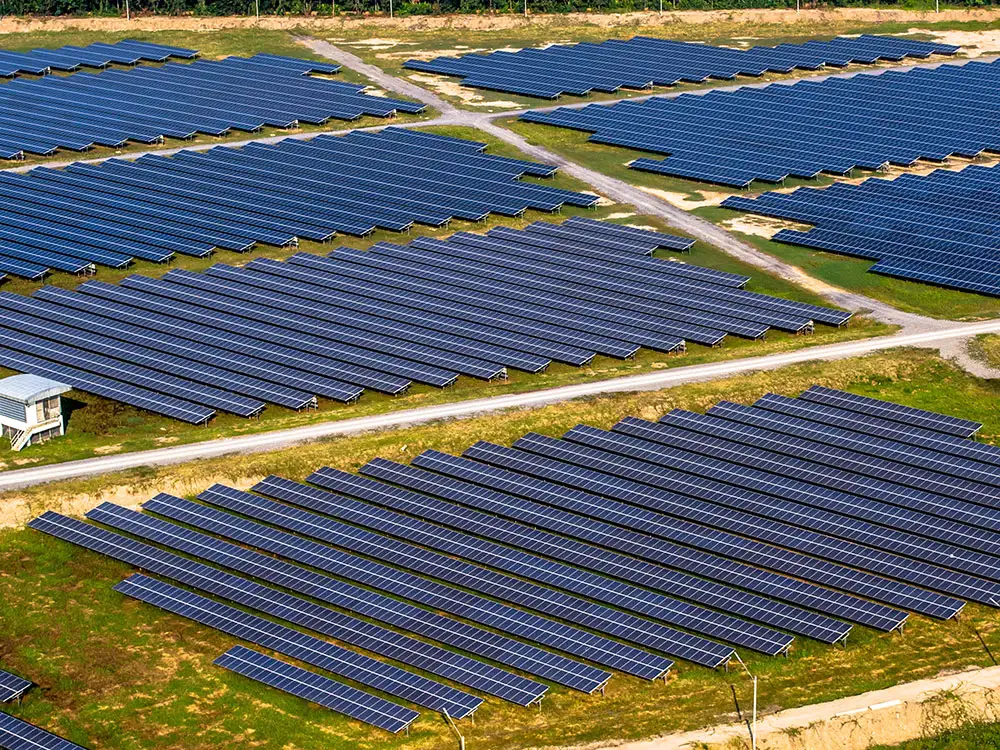

A decision on controversial plans for a major solar farm and battery energy storage system on farmland near Knaresborough has been deferred following legal challenges from opponents.
Members of North Yorkshire Council’s strategic planning committee were due to debate the application for a green energy scheme on almost 100 hectares of land between Scotton, Brearton and Farnham yesterday (Tuesday).
But the meeting was told that the authority had received a large number of legal challenges following the publication of a report by planning officers ahead of the meeting.
The report had recommended that the 49.9MW ground-mounted solar farm and battery energy storage system be approved by the committee.
Planning officer Laura Bromley told councillors: “Since completion of publication of the officer’s report members have received late representations which raise a number of detailed legal and planning concerns about the published report.

“In light of these representations officers updated recommendation is for members to defer the matter for legal advice to be taken on the contents of the representation.”
Members of the committee then voted to defer a decision on the scheme.
A spokesperson for the Stop Scotton Solar Farm and BESS group, which was formed to oppose the scheme, said after the meeting: “This is not yet a victory but ensures that the applicant is fully transparent about their intentions and the impacts that it will have on residents of Scotton and neighbouring communities.”
The recommendation to approve the plans had been made despite 244 objections lodged by residents, alongside objections filed by Knaresborough Town Council and four parish councils.
Concerns have also been raised by the council’s landscape and conservation officers and Historic England.
Objectors highlighted fears over the loss of productive farmland, the industrialisation of the countryside, traffic during construction, fire risks associated with the battery energy storage system, impacts on wildlife, heritage assets and nearby public rights of way.
However, planning officers concluded that the benefits of the renewable energy scheme outweighed the identified harms.
The development would generate about 47.8 gigawatt hours of electricity each year – enough to power around 13,450 homes annually – while avoiding an estimated 9,913 tonnes of carbon dioxide emissions each year compared with fossil fuel generation.
Officers said the proposal would make an important contribution towards national and local net zero targets.
The application has been amended during its consideration, including moving the construction access away from Scotton Lingerfield Primary School following public objections and removing solar panels from several fields to reduce heritage impacts.