
York’s weekend markets have quietly shifted from a daytime errand into something people genuinely plan their evenings around.
What used to be a Saturday morning ritual — grab some veg, maybe a candle, head home — has evolved into a proper social occasion. Locals now treat a wander through Newgate Market or the Shambles area as the opening act of a full night out, not a standalone chore.
Part of this is timing. Several of York’s market setups now run later into the afternoon and early evening, particularly on Fridays and Saturdays. That overlap with the pre-dinner window is no accident — it reflects where footfall naturally builds. York’s visitor numbers have been climbing steadily, and that energy feeds directly into the market atmosphere.
How Locals Budget a Full Night Out
A market-led evening in York is often cheaper than people expect. Spending £8–£12 on street food before hitting a restaurant means you arrive less hungry, order less, and the overall bill shrinks. Some locals explicitly use market food as a way to stretch the social element of the evening without overspending in one place.
Leisure budgeting has become more deliberate across the board. People track their entertainment spending across categories — nights out, takeaways, digital subscriptions, and increasingly, online platforms. Those who enjoy online casinos, for instance, often factor that alongside physical leisure costs when planning a week’s budget. Using a credit card can help set a budget, but it’s vital to check how the deposit is treated and whether it will incur extra interest (source: https://www.cardplayer.com/uk/online-casinos/credit-card-casinos). It’s less about cutting back and more about spreading enjoyment deliberately.
Why Markets Now Run Into the Evening
Evening market culture has grown because it suits the way people actually socialise now. Nobody wants a single-venue night. Instead, a typical York evening might start at a market stall, move to a nearby pub, then drift towards a restaurant. Markets slot perfectly into that multi-stop model because they’re low-commitment — you can spend twenty minutes or two hours without feeling like you’ve wasted anything.
There’s also the social infrastructure around them. The Shambles area in particular draws people who aren’t necessarily shopping at all — they’re walking, looking, eating something from a paper bag, and chatting. That casual atmosphere is genuinely difficult to replicate anywhere else in the city.
Food Stalls That Keep Locals Lingering
Food stalls are the single biggest reason people stay longer than they planned. York’s market food offer has expanded well beyond hot dogs and donuts. You’ll find wood-fired flatbreads, Korean street food, local charcuterie, and artisan coffee — the kind of variety that makes a market feel less like a shopping trip and more like a grazing evening.
The quality matters too. Locals who’ve eaten at these stalls repeatedly tend to develop habits — the same pulled pork vendor every other Friday, the same sweet crêpe stand before heading to the pub. That repetition builds loyalty, and loyalty keeps markets busy well past the midday rush.
What Makes York’s Market Scene Distinct
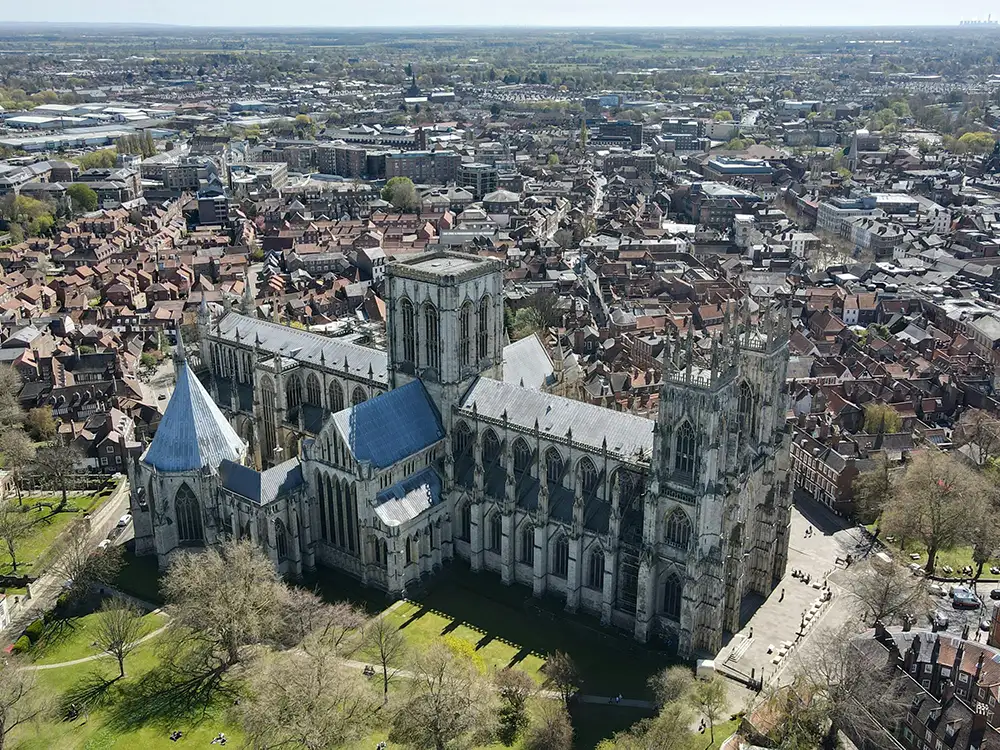
York punches well above its size for a city this compact. The combination of medieval streetscapes, high footfall, and a genuinely mixed demographic — tourists, students, long-term residents — creates market conditions that feel alive rather than performative. You don’t get the sense that vendors are hanging on; most stalls here are doing real business.
The numbers back this up. York’s food and drink sector was the city’s highest-performing retail category in Q1 2025, accounting for 36.7% of total sales. That dominance is visible at street level. York recorded over 2.3 million visitors in the first quarter of 2025 alone, a 9.4% year-on-year increase that outpaced both regional and national footfall growth. Markets sit at the heart of that draw — not as a heritage attraction, but as a functioning part of how people spend their weekends here.
What makes it work long-term is that the market scene doesn’t try to be something it isn’t. It remains informal, walkable, and genuinely useful. That combination — useful by day, social by evening — is harder to engineer than it looks, and York has it almost by accident. The locals who know this best are the ones you’ll spot on a Friday evening, flatbread in hand, in absolutely no rush to be anywhere else.