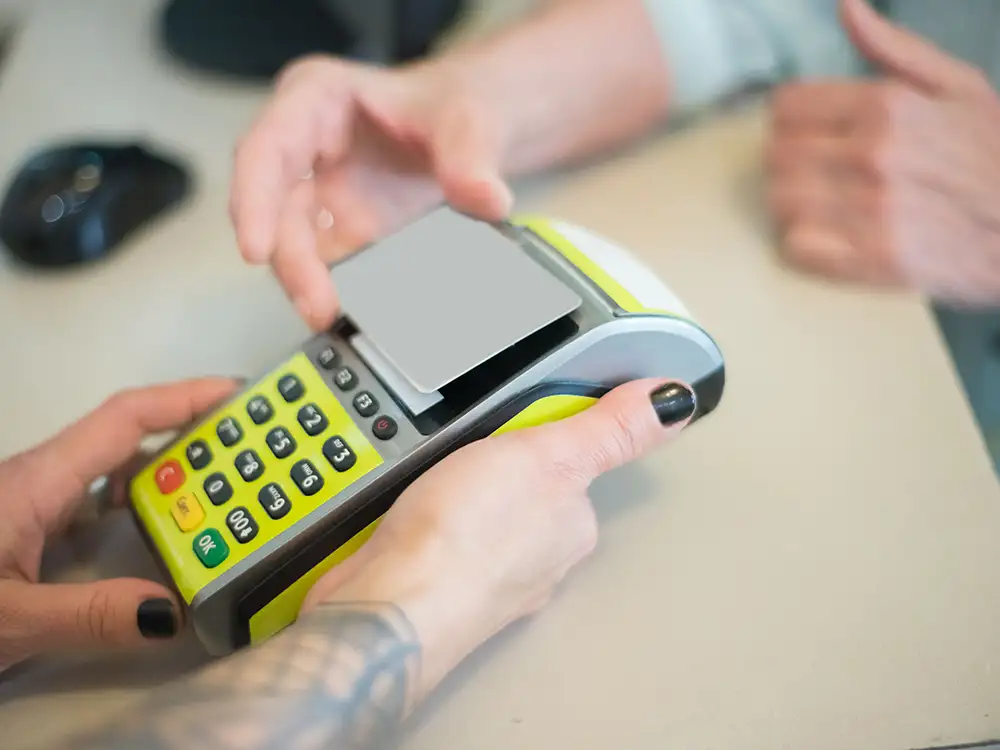

In the UK, paying for goods and services online using cash, contactless debit cards, and direct bank transfers is a thing of the past.
Instead, more people are shifting to prepaid systems as mobile ecosystems, app-based utilities and the gig economy grow.
The trend currently is pre-funded accounts, digital credits and stored-value apps used for buying online goods and services. shaping how people manage their daily lives and making digital spending an architecture of modern British commerce.
How People Are Turning to Prepaid Digital Wallets As the Default
Digital wallets, such as Apple Pay and Google Wallet, help to close the gap between standard bank accounts and online transactions. People are opting into prepaid digital wallets because they simplify checkout and limit the exposure of banking details on multiple online platforms.
According to new annual payment data from UK Finance, the use of contactless and digital payments is steadily rising across the UK, a sign of the impact that these systems have on everyday spending.
A few factors driving the rise of prepaid wallets:
- Faster checkouts
- Simplified budgeting for entertainment subscriptions
- Reduced reliance on traditional banking
- Enhanced convenience from app-based ecosystems
Although users must top up their digital wallet balance from a bank account to spend at everyday merchants, they offer an extra layer of security and convenience, boosting their adoption for daily necessities.
This shift has been developing for several years, with both consumers and businesses gradually moving towards faster, cash-free ways to pay. YorkMix has previously explored whether the UK is adopting a cashless society, highlighting how contactless transactions and changing customer expectations were already influencing the way businesses accepted payments.
Subscription and Top-Up Models: How They Are Blurring Traditional Payment Boundaries
Back in the day, consumer spending was divided into specific categories, where you paid for a service when you used it, or you made a one-off purchase at the point of sale. But digital platforms have eroded the traditional boundaries around payments, combining subscription access with the auto-renewing top-up model, which subtly normalises spending in advance.
That has blurred the distinction between subscriptions and prepaid services. Think of the public transport system in large cities in the UK that forces you to keep a rolling balance to be able to access the service instantly, or gaming platforms that promote preloading credits to buy things in-game.
| Trends from Digital Spending | Effects on Consumer Behaviour |
| Subscription | Encourages recurring automatic payments |
| One-click checkout | Rise in impulsive purchases |
| Digital wallet top-ups | Promotes controlled spending limits |
| Stored-value credits | Reduces visibility on spending |
The combination of subscription and top-up models has made consumers more accustomed to storing money within digital ecosystems long before making actual purchases. However, some consumers still do their research.
For example, some may Google what to expect from a Paysafecard casino to know how to use the prepaid card service before they spend time making an account. This way, they know whether the operator works for them, or perhaps more importantly, if it does not.
How Frictionless Checkout Culture Is Reinforcing Prepaid Behaviour in the UK
Modern checkout systems remove as many barriers as possible from the purchasing process by incorporating features like one-click payments, biometric authentication, and saved payment details. These make purchasing digital goods and services as effortless as possible, strengthening prepaid behaviour.
When a consumer already has a prepaid balance or digital tokens, spending becomes easier because it no longer feels like transacting directly from a bank account, where you’d need to check your balance or key in a PIN.
The behavioural change is evident across most UK economic sectors, including food delivery, ride-hailing apps, online marketplaces, and digital entertainment. Businesses that invest in prepaid structures also thrive in customer retention and repeat purchases due to frictionless checkout experiences.
How Platform-Driven Spending Is Training Users to Budget in Digital Credits
Platform-driven spending encourages budgeting in digital credits rather than traditional pounds since users must convert fiat currency into proprietary platform tokens or closed-loop balances. So, they usually delegate separate prepaid amounts to different services instead of monitoring overall bank spending.
At the same time, platform-driven budgeting strengthens consumers’ loyalty to digital ecosystems. Once a person stores funds for a service, they are more likely to use it again than shift to competitors. It’s among the reasons many companies promote discounts and other reward systems.
Alina Anisimova, Banking Expert at Mr. Gamble explained that “We’ve seen a shift in businesses offering exciting promotional offers, such as money off a first deposit or freebies for new users. These trends are likely to grow as the competition becomes fiercer in all digital niches.”
Why Micro Transactions and Stored Value Systems Are Rewriting Small Purchase Habits
There was a time when people used loose change for small, everyday purchases like a digital newspaper article and a morning flat white. Today, high-street coffee chains and digital merchants have apps that allow customers to spend £1 or £2, and even reward them for storing a standing balance in their accounts.
Although the small recurring purchases can accumulate rapidly, the prepaid structure usually reduces the visibility of total spending.
Stored-value systems also encourage incremental purchasing habits, whereby consumers may be willing to spend small amounts repeatedly when transactions feel detached from traditional payment systems. This reshapes everyday spending psychology because consumers no longer calculate the value of small purchases against their bank account balance.
Final Thoughts
The rise of prepaid digital spending is a sign that UK consumers no longer regard it as just a convenience but an important part of how they interact with online platforms, subscriptions, and everyday digital goods and services.
The systems offer convenience and budget control for consumers and encourage retention and repeat customers for businesses. Mobile wallets now have frictionless checkouts. So, prepaid habits are becoming more and more influential across the UK economy due to their convenience.