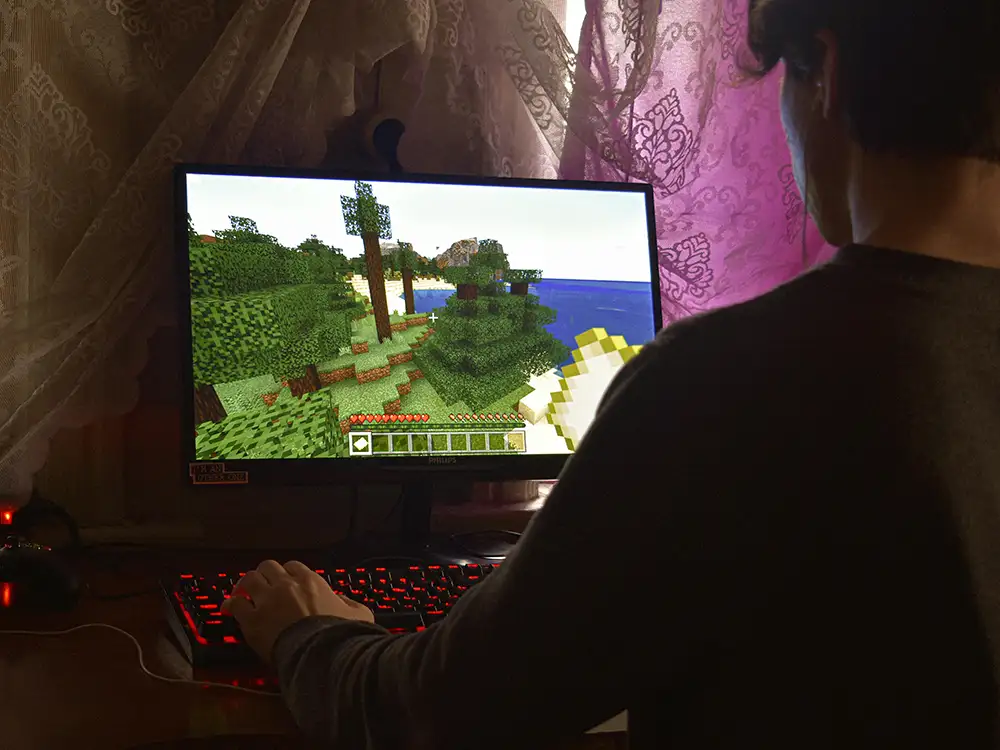

Over the last decade, online gaming has moved from the sidelines into mainstream digital culture.
What once seemed like a niche hobby is now shaping social lives, entertainment, and even regional economies. In York and many similar cities across the UK, this shift is no longer hypothetical. It’s happening now, with real platforms, real players, and real changes to how people interact with games.
This transformation isn’t just limited to teenagers with consoles or smartphones. It’s spread across age groups and devices, affecting how people unwind, connect, and even compete. From casual puzzle apps to immersive online casinos, the trend is well-established and gaining pace.
How York Became a Digital Gaming Hub
York may be known for its historical charm, but it’s also showing signs of adapting to modern entertainment preferences. The availability of high-speed broadband, coupled with the growing presence of remote work and digital lifestyles, has made it easier for residents to dive into the online gaming world.
Local cafes now serve as makeshift co-op lounges, and public libraries have expanded digital access to platforms like Steam and Epic Games Store. Even the university student population has had a hand in driving this shift, with online gaming events and e-sports tournaments popping up in community centers and university halls.
One of the clearest indicators of online gaming’s grip on York is the popularity of mobile games. Titles like Among Us, Clash Royale, and Wordscapes are commonly seen during commutes or lunch breaks. These accessible games are appealing because they fit into short, fragmented periods of free time, something that suits the pace of daily life in cities like York.
The Platforms Leading the Way
Gaming is no longer confined to PCs or consoles. Smartphones and tablets are now dominant platforms, offering thousands of games that range from basic puzzles to fully immersive multiplayer experiences. Apps like Roblox, Call of Duty: Mobile, and Genshin Impact are consistently ranking high in downloads and engagement.
The rise of cloud gaming platforms like NVIDIA GeForce NOW has also played a role. These allow players in York and beyond to stream high-end games on mid-range devices without needing to buy expensive hardware. It’s changed the financial equation and widened access.
Browser-based platforms are gaining renewed interest, especially in the online casino space. Many players are now drawn to digital environments that offer familiar formats, including slots, card games, and roulette, but with updated, mobile-optimized features. In this evolving landscape, options like Pink online casino have become part of the mix, offering users seamless access to games without the need for dedicated apps. These platforms often include social elements, live features, and quick-play modes, aligning with the wider trend of digital-first entertainment.
Why This Trend Matters Locally and Nationally
While the trend is widespread, its local relevance is just as significant. York’s digital infrastructure has helped fuel this movement, but so have social changes. More families are embracing games as a way to spend time together, while younger adults often socialize through online matches and shared in-game experiences.
The growing acceptance of online gaming is also visible in education. Colleges in the area are increasingly using game-based learning apps like Kahoot! and Quizizz to support classroom teaching. These platforms blend entertainment with engagement, helping users learn through play.
Across the UK, the gaming economy is expanding. The Digital Economy Council reported notable increases in jobs related to game development and support services, many of which are accessible remotely. York’s talent pool, particularly among university graduates in creative and tech fields, is well-positioned to feed into this growing industry.
Trends Beyond York: A National Snapshot
York isn’t alone. Cities like Manchester, Bristol, and Glasgow are seeing similar trends. The UK has become one of Europe’s most active markets for online gaming. People are not only playing more but also engaging with gaming content in new ways, from watching Twitch streams to participating in Discord communities.
Live-service games like Fortnite and Apex Legends keep users returning week after week, driven by updates and new content. Meanwhile, simulation games such as The Sims 4 and Cities: Skylines continue to thrive among players looking for longer, more personalized gaming sessions.
Beyond entertainment, the use of gamification is becoming standard in apps that don’t even market themselves as games. Think of platforms like Duolingo for language learning or Strava for running and cycling; they use point systems, challenges, and badges to keep users engaged. The psychology of gaming is everywhere now.
Is It a Fad or a Fundamental Shift?
What’s happening in York reflects broader shifts in digital culture. The consistency of user engagement, the diversity of gaming platforms, and the integration of gaming elements into everyday life suggest that online gaming is not a short-lived trend.
Local events like pop-up e-sports competitions or gaming-themed pub quizzes point to a community that enjoys blending virtual and real-world interactions. This hybrid engagement reinforces the staying power of online gaming. As internet connectivity improves further, especially with the rollout of 5G, these experiences will only become more seamless and more common.