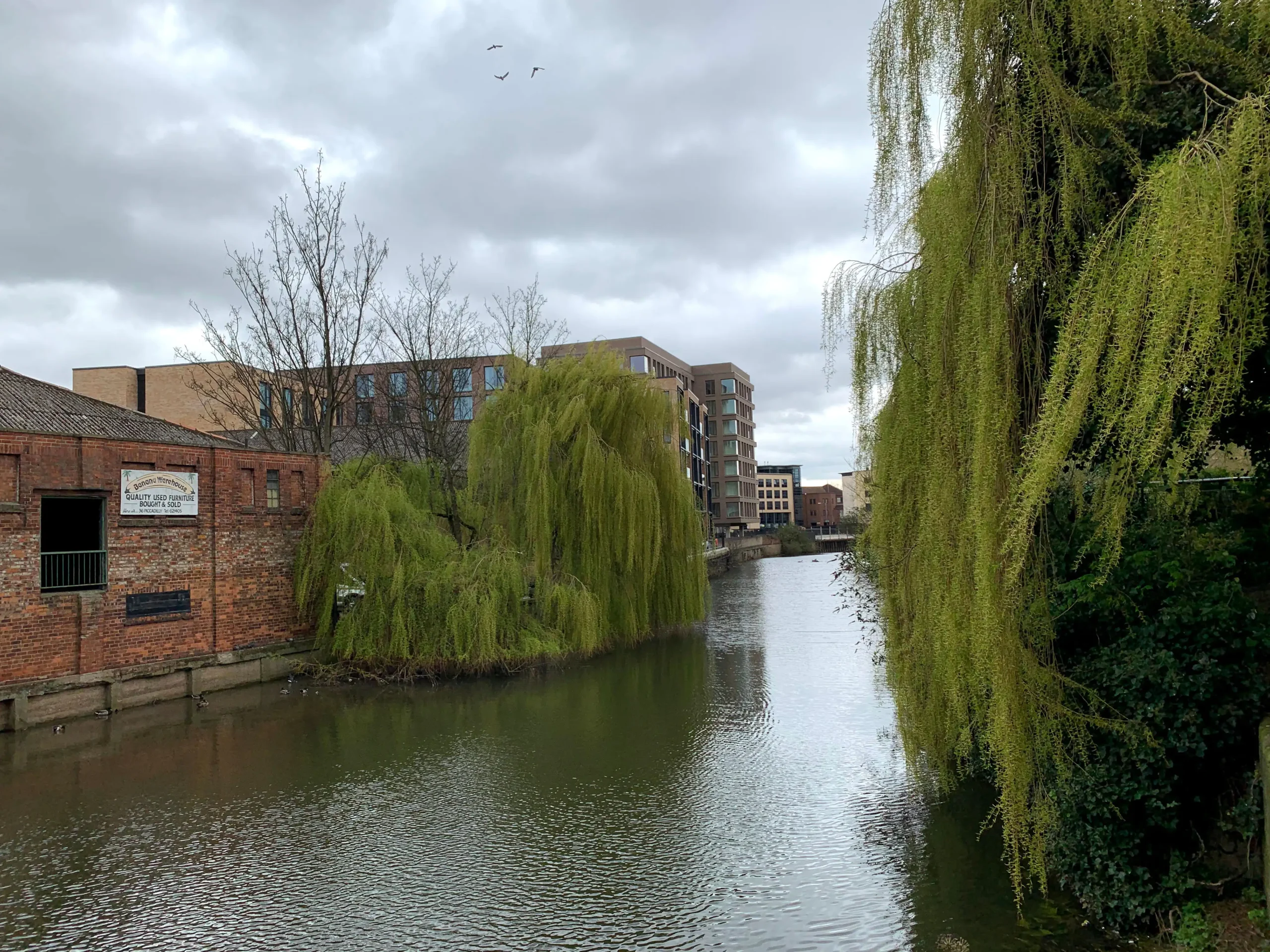

The ways people get rid of used medication and chemical household products could be doing untold harm to the river Foss, a conservation group has warned.
Medicine thrown away in household bins or flushed down toilets along with garden pesticides and cleaning products are among those polluting the waterway, according to the River Foss Society.
The group said foam on the surface of the river from detergents and oil film from car wax and polishes were also examples of the impact household waste is having.
An Environment Agency spokesperson said it was essential for households and businesses to dispose of waste properly to prevent it flowing into rivers through drains and sewers.
It comes amid ongoing concerns about the health of the Foss and other rivers, including over the amount of wastewater including untreated sewage being discharged into them during storms.
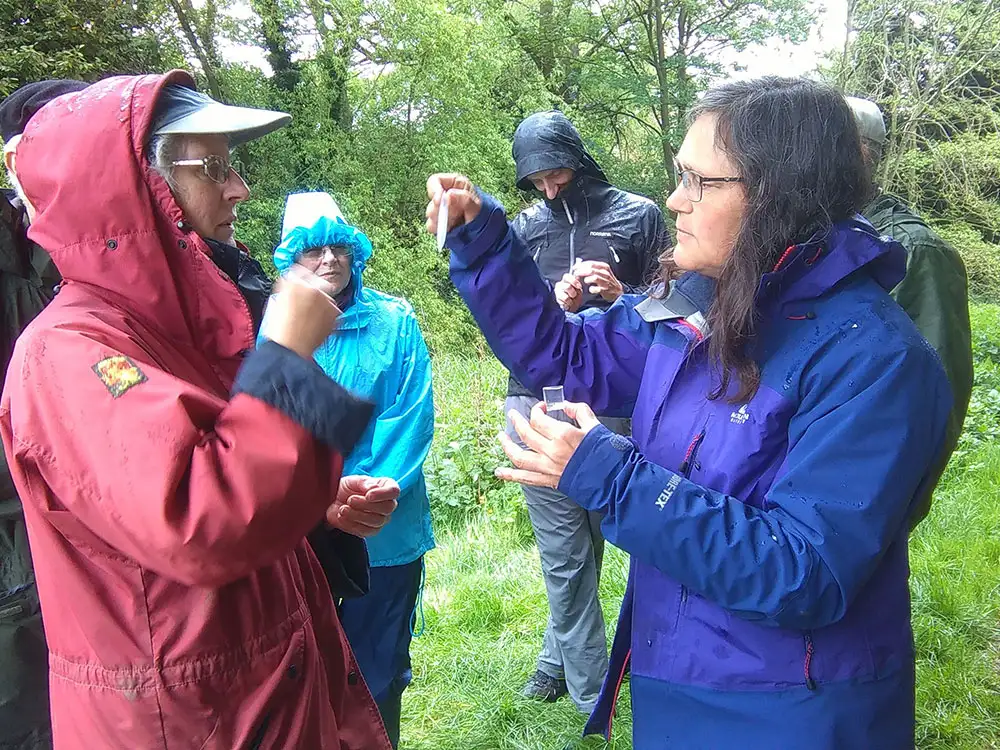
Society members, a scientist and activists told York councillors in November the amount of sewage, chemicals and other pollutants in the rivers Foss and Ouse is a scandal.
University of York-based scientist Dr John Wilkinson, who researches chemical pollution in rivers, told November’s meeting findings showed the Foss was the worst in Europe for pharmaceutical contaminants.
Councillors backed a call at November’s meeting for a ban on ‘forever chemicals’ that linger in waterways and for investment into the country’s sewage and drainage infrastructure.
The River Foss Society said most pharmaceutical drugs which pass through the body would not be treated and would end up in the watercourse, harming aquatic creatures.
A spokesperson for the group said small quantities of medicinal chemicals were present in most waterways as a result, with the full environmental effects unknown.
But the spokesperson added there were ways people could help to curb the amount of drugs and chemicals that end up in rivers by disposing of them properly.
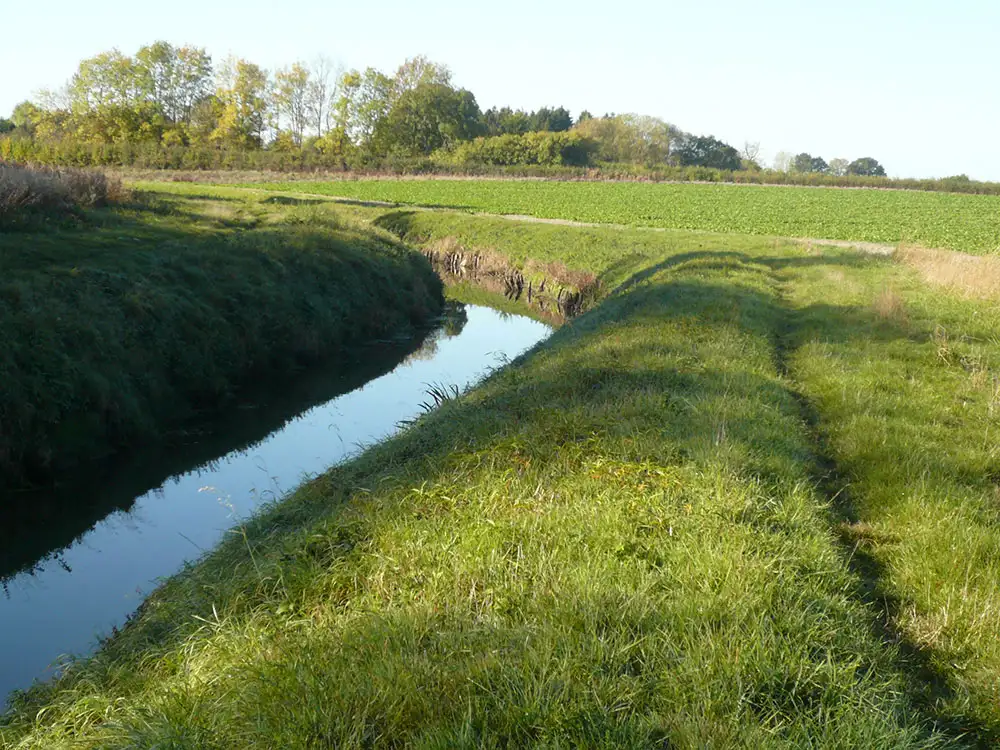
The spokesperson said: “There’s a lot to be said for living near the River Foss, it’s a rare green corridor in and out of York, and much of it is a lovely place to walk and relax.
“Each year, large quantities of unused and expired medications are dumped into bins or flushed down toilets, sinks and drains.
“The same is true of many toxic domestic chemicals such as garden pesticides, cleaning fluids, solvents and paint.
“They can do untold harm if they get into a watercourse, even low levels of pollutant may still harm the river’s occupants.
“Where you can help is by not disposing of any out-of-date or leftover items down the loo or in a bin.
“Instead, use designated drop-off points- most pharmacies in provide a service where you can take unused or expired medicines for free safe disposal.
“Car shampoo run-off is best disposed of carefully via household or commercial drains, if they are allowed into soak-aways or surface water drains their chemicals, many of which are toxic, all end up in the river.”
The council’s Towthorpe and Hazel Court tips also take waste household chemical products and dispose of them properly for free.
The Environment Agency’s spokesperson said disposing of different types of waste properly and mindfully was essential to avoid damage including to rivers.
The spokesperson said: “Hazardous waste such as paints, detergents, medication and solvents can enter watercourses through drains and sewage works, it is important the public gets rid of it correctly.”
City of York Council is supporting Yorkshire Water as it invests £1.5 billion in infrastructure to try and reduce sewage overflows across its network.
Investments planned up to 2030 include building surface water sewers, underground storage tanks and nature-based solutions.
They also include lining sewers and diverting water.
Yorkshire Water has also been working with community groups to uncover misconnections, where waste pipes have been incorrectly plugged into those carrying surface water.
At least 242 misconnections, which can result in water from toilets, sinks and household appliances flowing into watercourses instead of treatment sites, were found across the company’s area last year.