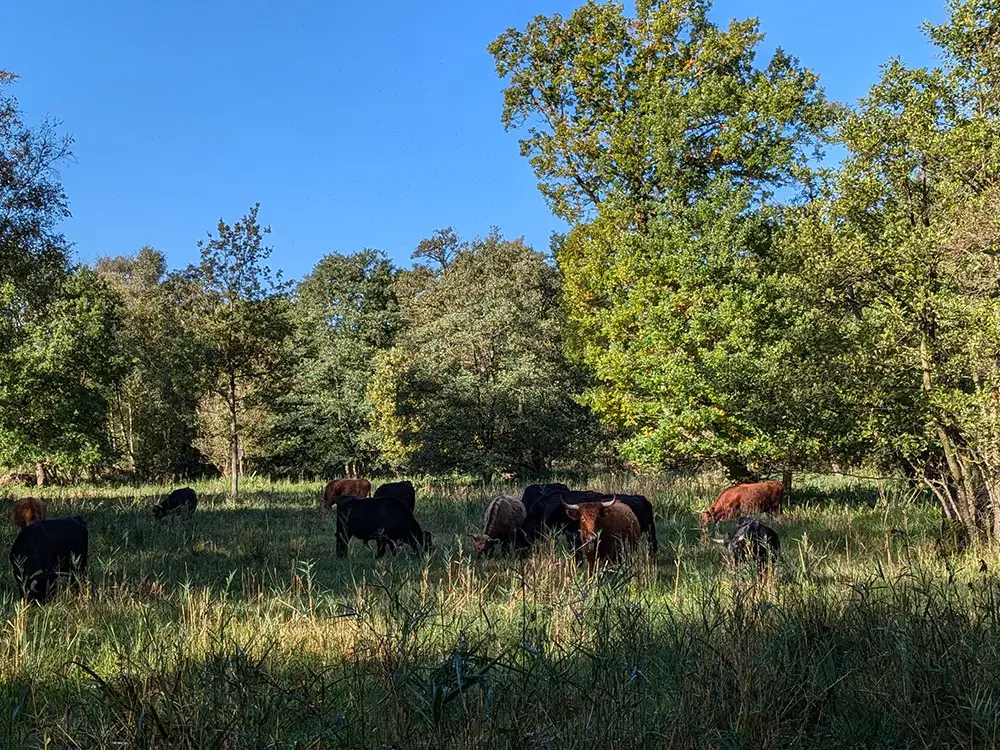

An £250,000 appeal has been launched to save the York nature reserve described by Sir David Attenborough as a ‘cathedral of nature conservation’.
Askham Bog, nestled between the A64, the railway and the York ring road, was created as the founding reserve of Yorkshire Wildlife Trust in 1946.
The lowland peat bog has a rich history and is home to an extraordinary range of species, many of them extremely rare – from willow tits and great-crested newts to over 800 species of moth and ancient royal ferns, some of which are over 500 years old.
But, the trust says, Askham Bog “urgently needs our support if it is to remain one of our wild crown jewels”.
As a habitat that thrives on absorbing large quantities of water which it then releases slowly, the reserve is also a buffer vital in York’s battle against flooding. However, increasingly unpredictable weather and hot, dry summers mean the reserve is at increasing risk of drying out.
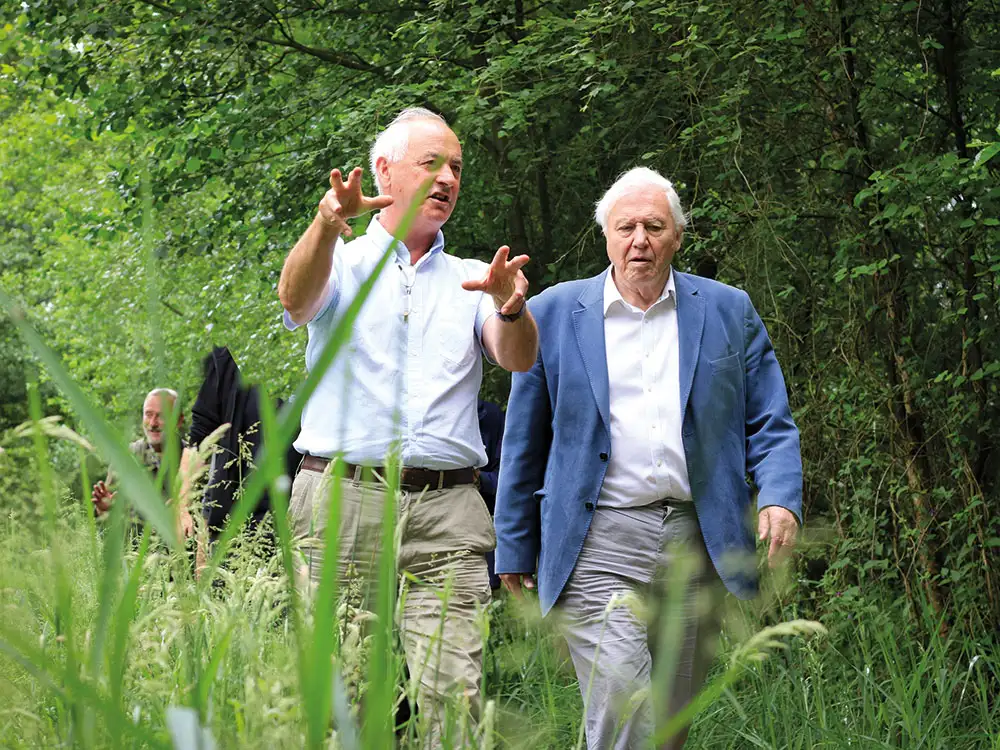
Dave Powell, Askham Bog’s reserve manager, said, “It’s vital that we make Askham Bog boggier.
“Many of the reserve’s rarest species, particularly plants, thrive in wetter ground and we know the wildlife is there just waiting for an opportunity to flourish.
“Recent periods of heavy rainfall have seen the return of some species, like slender sedge, thought lost forever – helping the reserve to store more water could see more exciting returns like this.
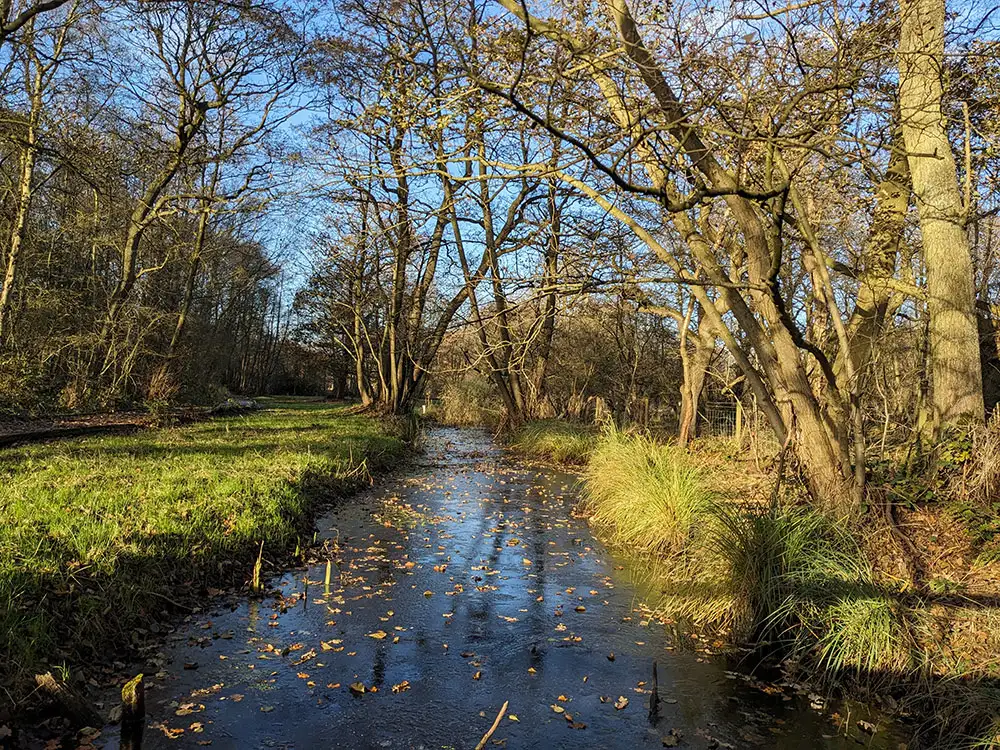
“Having well cared-for peat bogs doesn’t just benefit our wildlife, it benefits us too.
“Our peat bogs are brilliant at holding on to water during flooding events, and a healthier Askham Bog will retain more water to help prevent flooding in York over the autumn and winter.
“However, peat bogs have a point of no return; once they get dry enough during extreme heat events, their peat can’t be rewetted and they will start releasing carbon.”
The trust wants to raise money for an Askham Bog Protection Fund, which will fund work over the next five years to help the bog to remain wet.
This could include creating small dams, a tilting weir and new ponds for species like great-crested newts. They are also hoping to more actively manage scrub on-site, reducing the pressure vegetation places on water resources and the peat base.
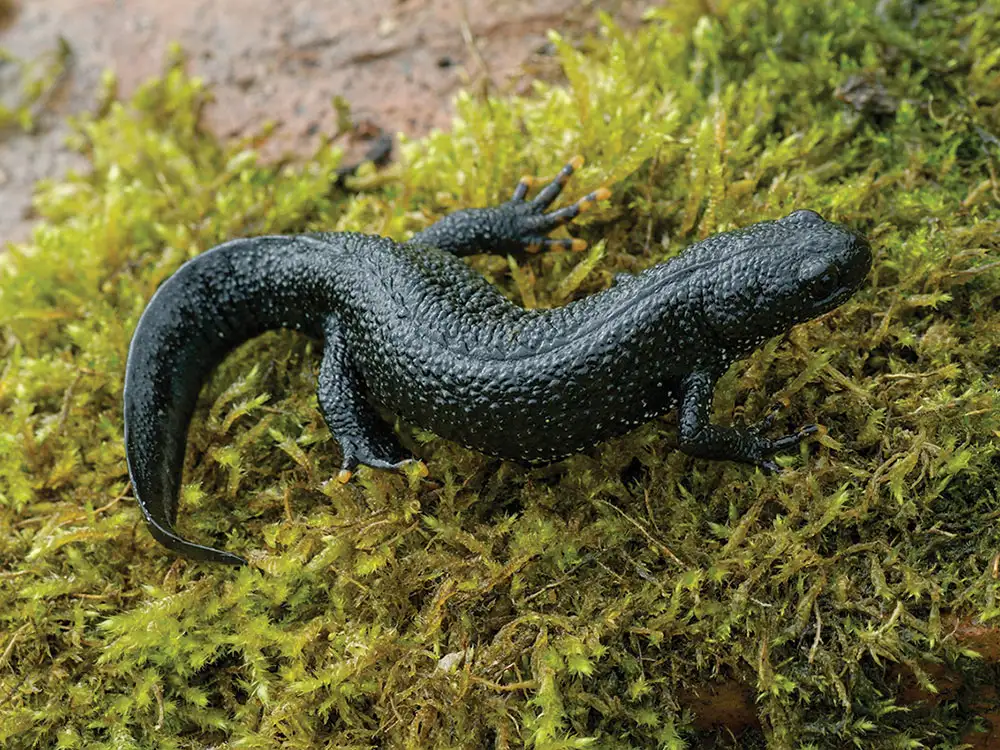
The reserve has faced challenges through its history, from plans to put the outer ring road through the reserve in 1967 to the threat of local development in 2019.
On both of these occasions, people have come together to support the reserve and its wildlife: in 2019 the council unanimously rejected plans after more than 7,600 people wrote in support of the bog.
Dave added, “Askham Bog has survived because people chose to defend it. Both the Askham Bog Protection Fund and our work to improve the reserve infrastructure are a commitment to the future of Askham Bog, and to the future of Yorkshire’s wildlife and wild spaces.”
President of Yorkshire Wildlife Trust Professor Alastair Fitter said: “Askham Bog is an astonishing and truly wild place.
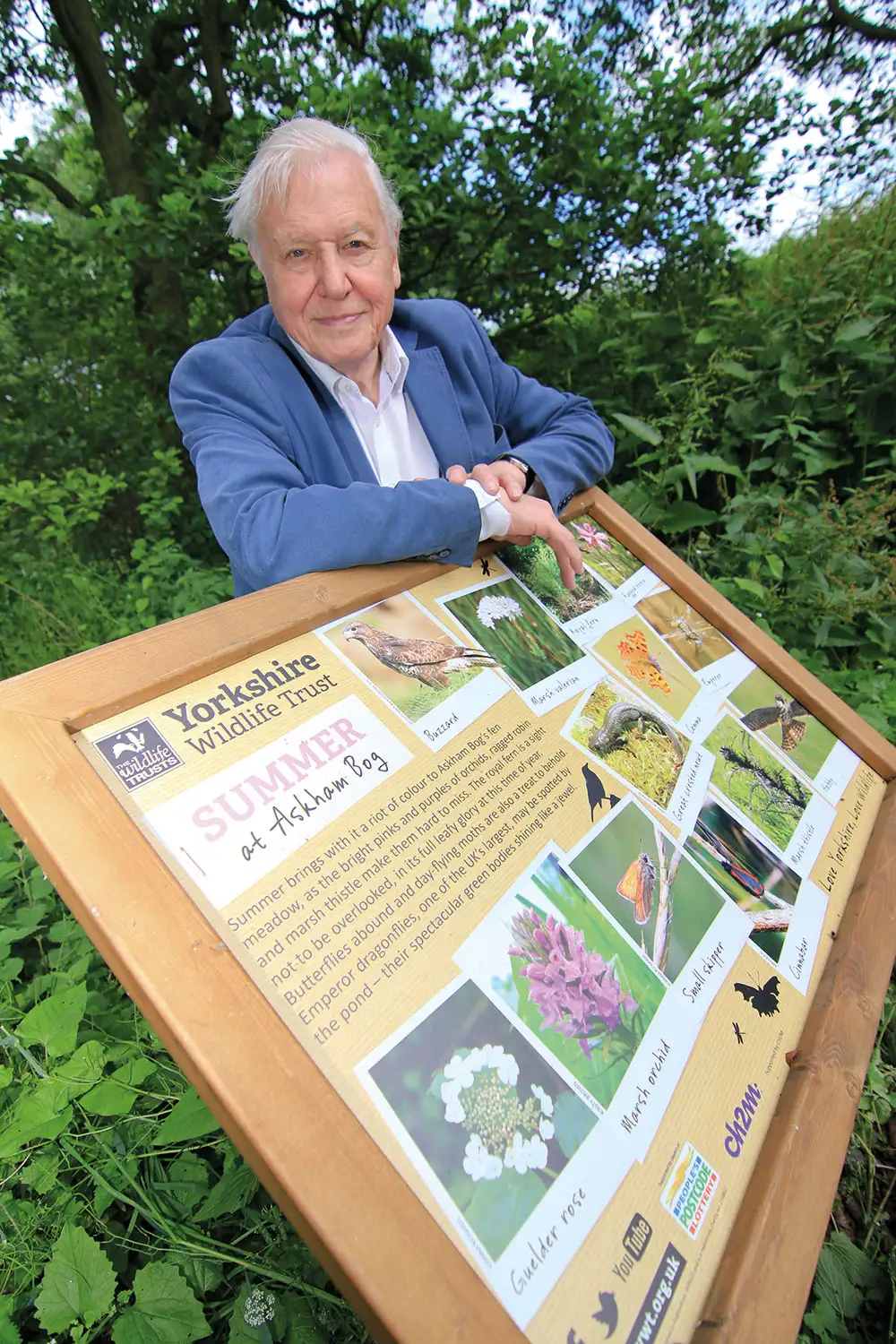
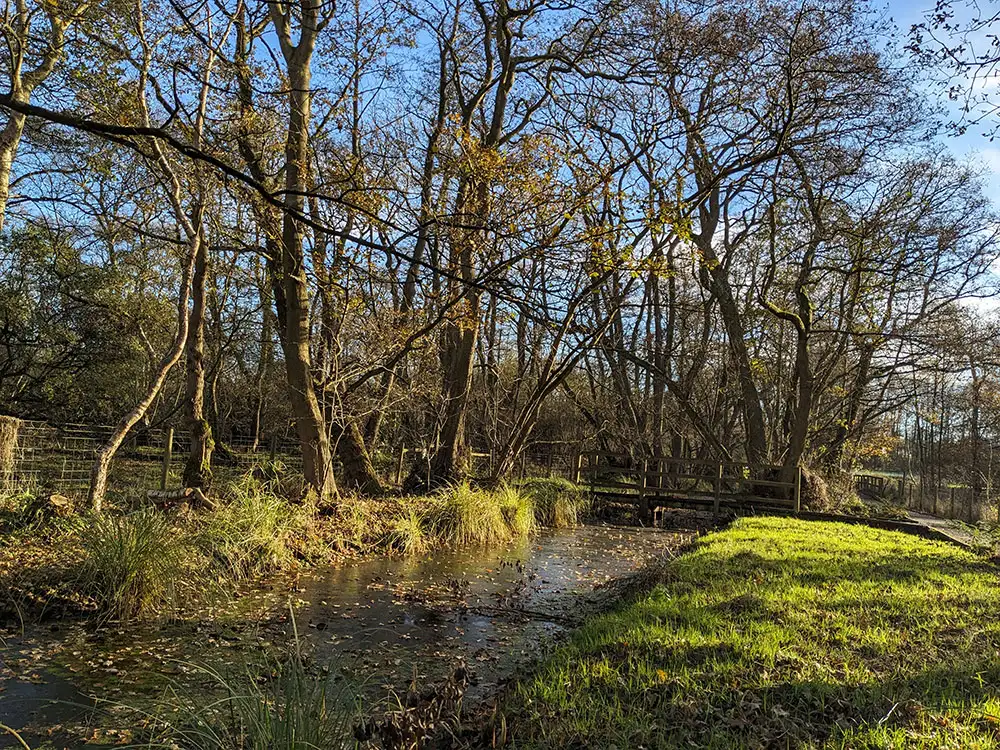
“For its size, it is the richest spot in Yorkshire for biodiversity and has been a magnet for naturalists for over 200 years – and yet it has survived inside the York ring road, just two miles from the Minster.
“The reserve is an exceptional part of Yorkshire’s heritage, and urgently needs our support if it is to remain one of our wild crown jewels.”
Askham Bog has now closed to allow for vital renovations to the boardwalk and visitor infrastructure, work undertaken in the Yorkshire Wildlife Trust’s 80th anniversary year. The trust hopes to reopen the Bog during the summer.
To learn more about the Trust’s plans for Askham Bog and to donate to the appeal, go here.