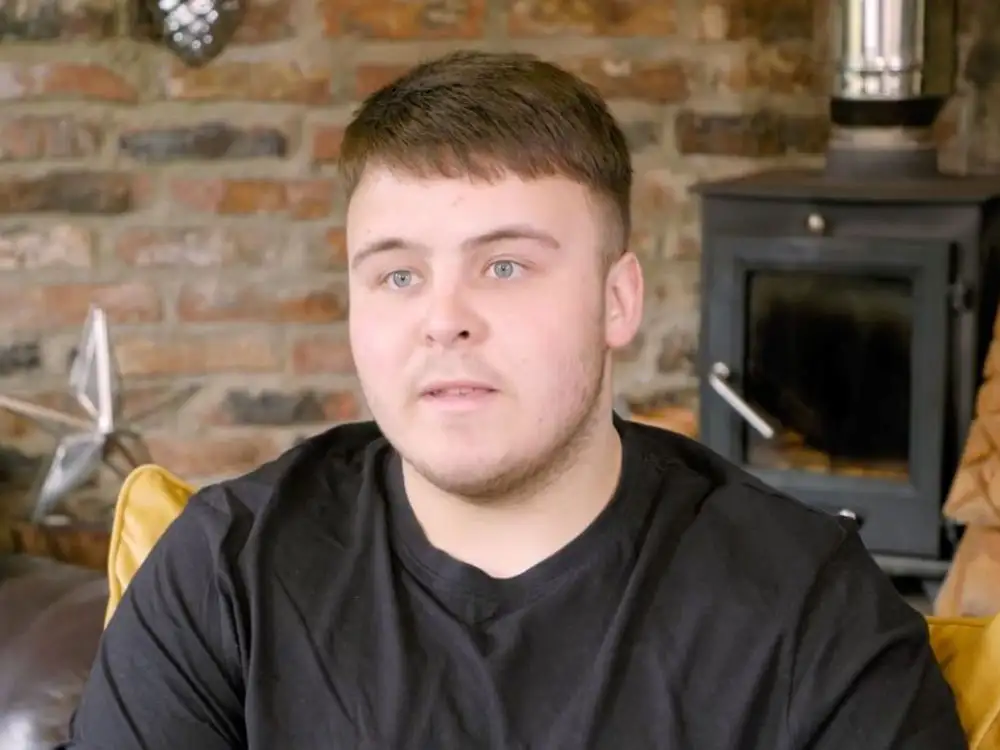

A York man who nearly died after a devastating workplace accident has recovered to record a top grade.
Fraser Bennett has secured a distinction in his York College apprenticeship following a long break after he was electrocuted, went into cardiac arrest and was put in an induced coma for three days.
It happened in November 2021. Fraser was conducting maintenance checks on a tall piece of machinery at his former employers’ workplace in Sherburn when he was gripped to the machine by a powerful electric current.
The shockwave sent him into immediate cardiac arrest.
His colleague freed him, resulting in a six-foot fall from his ladder, before initiating life-saving CPR and calling 999.
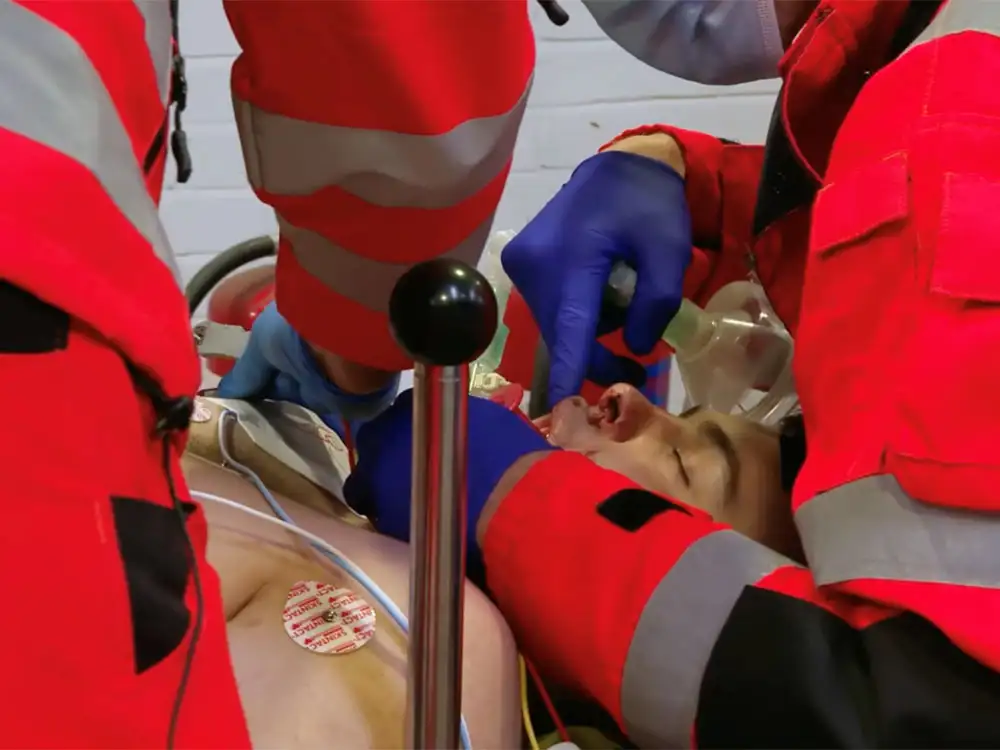
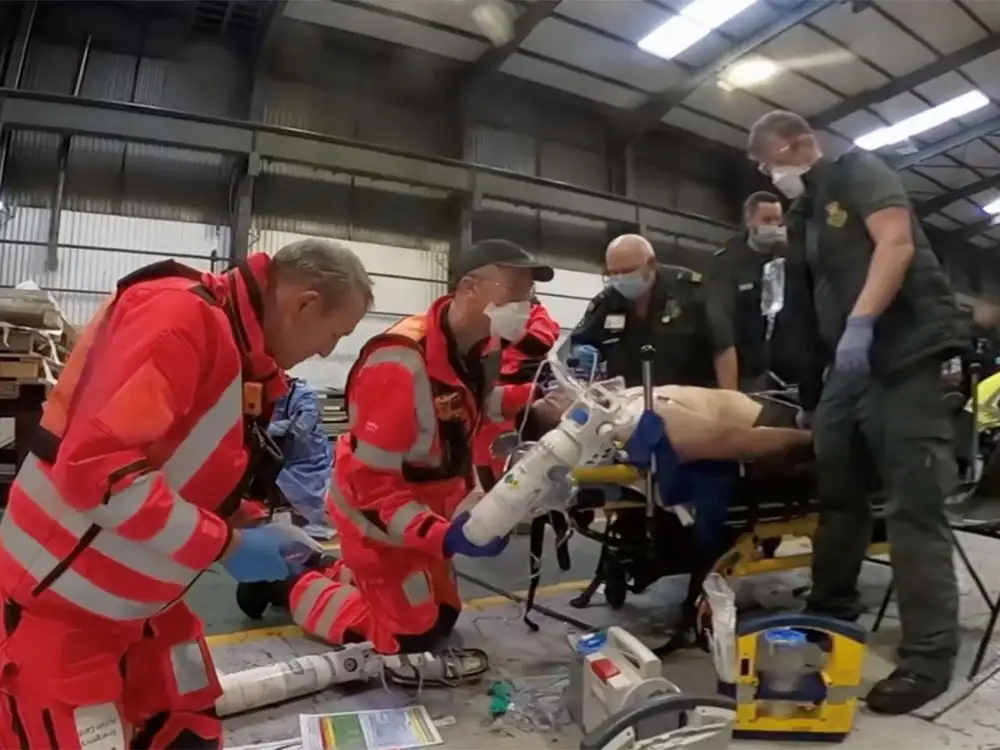
Paramedics restarted Fraser’s heart, using a defibrillator. He also had significant electrical burns on his arms.
He was then put into an induced coma and the Yorkshire Air Ambulance took him to hospital in Middlesbrough.
After he awoke, he underwent a long rehabilitation process, beginning with learning how to walk again.
Now 25, Fraser still experiences weakness in the left side of his body, particularly in his thigh, which took the brunt of the electric shock.
He’s also been left with a mild brain injury, but none of that prevented him from getting top marks following his return to education.
Demonstrating incredible resilience and determination, Fraser also finished his Level 3 maintenance & operations engineering technician apprenticeship six months ahead of schedule despite the physical and mental side effects linked to his life-threatening trauma.
On learning he had obtained the highest grade possible, Fraser said: “It made the six years since I started my original apprenticeship worthwhile.
“I knew what I was going to do for the practical and brushed up on all my knowledge. I also benefitted from having spent so much time in the industry, because a lot of that knowledge was drilled into me.
“I was over the moon to get a distinction and was pleased to get it done sooner than the completion date I’d been given. That was a little goal I set myself, otherwise it would have taken me closer to seven years!
“The other incentive for finishing earlier was I got a bit of a pay rise!”
Drama on TV
Having opted to change employers following his return to work, Fraser found a new company in LGSF who worked in partnership with York College as apprenticeship providers.
Due to its severity, Fraser’s accident was also televised on Discovery Plus during an episode of the Helicopter ER show.
Many in his situation might have sought out a desk job following his recovery, but Fraser reasoned: “What happened did knock me but, when I came to terms with it and because it wasn’t a case of malpractice or something I’d done wrong but just a bad accident, I knew I had to go back and complete my apprenticeship.
“I took the time I needed to heal mentally and physically and went back on a phased return.”
Getting to that point was not without its challenges, however.
On waking from his coma, Fraser could barely stand up and was only released from hospital after he proved he could walk in a straight line and negotiate stairs.
Unsurprisingly, the accident had a profound impact on him mentally, too.
He received therapy in the aftermath and avoided social events “at all costs”.
In fact, he chillingly admits that he would have “probably committed suicide” had he not immersed himself in restoring a 1990 Nissan car for six months, successfully making it roadworthy after it had gone 14 years without an MOT.
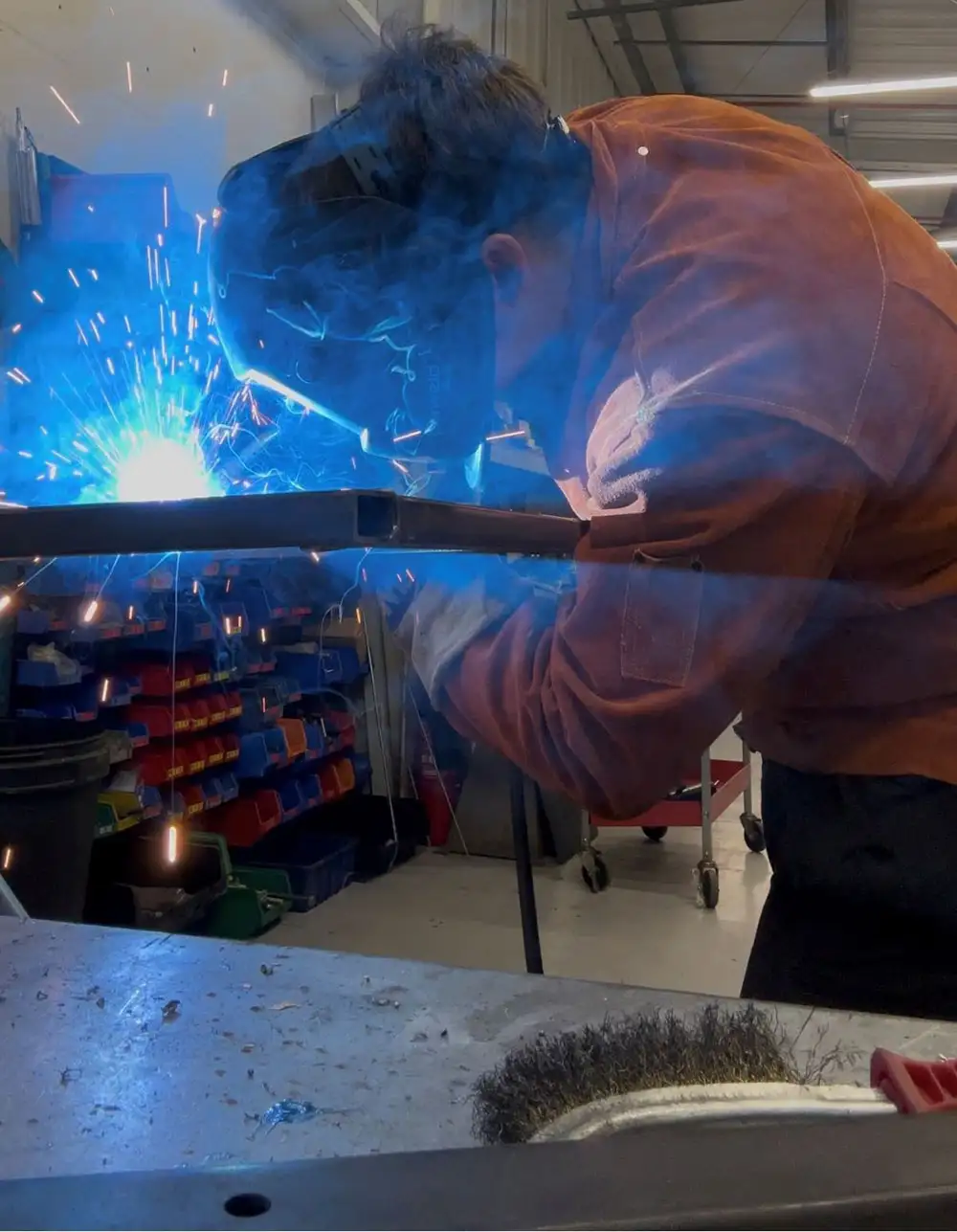
“I channelled all my focus and energy into that car once my physical wounds had healed and every single day, from when I woke up to the moment I fell asleep, I was welding it, stripping parts, rebushing it and painting it,” he explained.
Coping mechanisms
As his mental health improved, Fraser’s return to his apprenticeship also considerably helped his healing process with the support of college staff, as he came up with coping mechanisms to combat his lasting injuries.
“My arms tire quite quickly so, where I can, I’ll use power tools instead of hand tools,” he pointed out. “I also carry a notepad around to jot things down that I need to remember or use Notes on my phone.”
Naturally, Fraser has a heightened respect for the importance of health and safety, too. He’s introduced measures in his job that are benefiting the whole workforce, including a six-month inspection schedule for the webbed straps used by cranes to lift steel and the installation of barrier cream stations to prevent employees from contracting skin conditions.
“This job very nearly killed me and, if I’d been on my own, I wouldn’t be here to tell the tale, so I try and have eyes in the back of my head now when it comes to health and safety,” Fraser said.
“I naturally risk assess every single thing I do.
“Even if it’s just walking out of my workshop, I want to know if somebody is using a crane or there’s a forklift truck driving by. I unfortunately learned the hard way that this industry can be dangerous but, being safe, aware and doing things the correct way, lessens the risk considerably.”
Fraser’s job typically sees him oversee the maintenance of steel rolling mills that form frameworks for modular buildings, such as the Timpson pods found in supermarket car parks and he is now looking forward to continuing his career progression with LGSF.
“The owner has said I can go on any courses I want to, like specialised hydraulic, welding courses or anything in the future that aids me in my day-to-day work.”
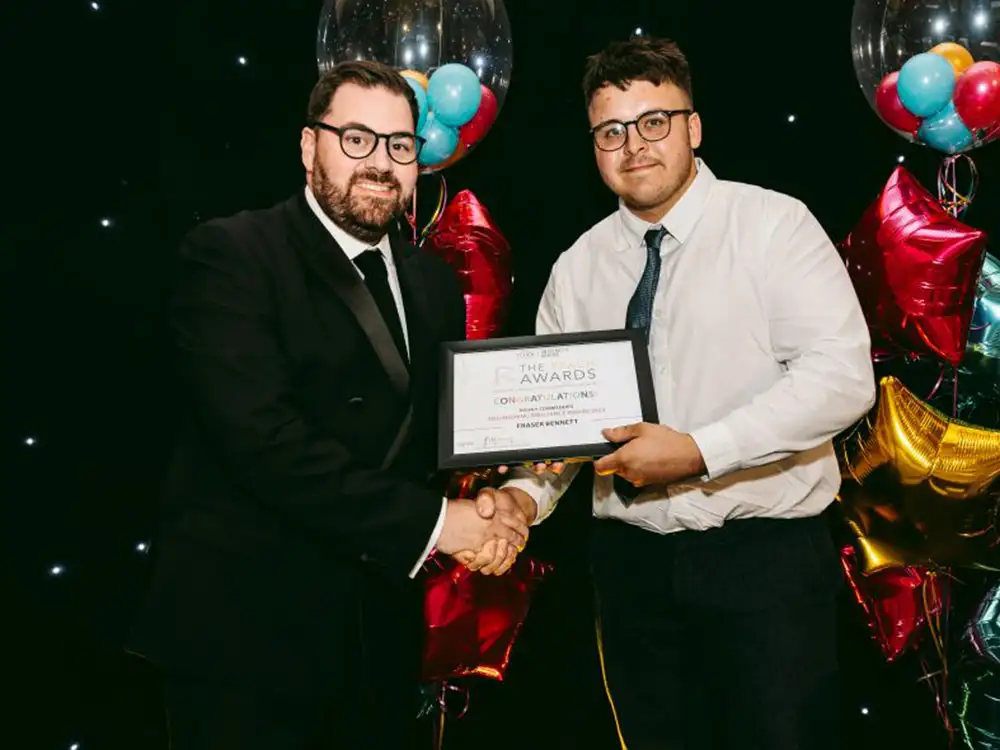
Fraser’s achievements on his apprenticeship were also recognised at York College’s annual REACH Awards, where he received a Highly Commended prize.