

York’s Foss Barrier was deployed today – and not for the first time this year.
For once, though, the barrier’s 18-tonne flood gate wasn’t closed in order to protect the city from flooding, but as a demonstration of York’s resilience as weather events get more intense.
No fewer than ten named storms have battered Yorkshire this autumn and winter. That led to the most sustained high levels of floodwater in York since 1872.
York flooding facts
- In York between October and February, the water that flowed through the city weighed over 2000 million tons – to be precise that was 2,033,000,000 cubic metres of water
- That’s an average of 150,000 Olympic swimming pools passing through the city every winter month
- Or, over the five months, the same as the entire contents of the Kielder Reservoir which holds 200 billion litres of water
- For the Ouse catchment that drains through York, it was the wettest five months to March since 1872
Since Storm Babet last October, the Environment Agency incident room at Foss House in York has been active for 45 days.
“What that means is that people have been giving up their day jobs, coming in, volunteering for an incident role, issuing flood warnings, closing flood defences, speaking with members of the public and our partners,” Jon Knight, flood incident management team leader, told YorkMix.
“And that’s been through the evening, through the night, through weekends.”
The Environment Agency is at the front end of the climate emergency, and has had to extend some of York’s existing flood defences upwards, and build new ones, to cope with the ‘new normal’.
“What we’re seeing is more extreme and more inconsistent, more unpredictable flooding,” Jon said.
“So we’re not concerned, in that we’re expecting it. We will continue to make sure people are ready, we will continue to make sure that our defences are operating, that we’re issuing flood warnings on time.
“But we’ve all got a role to play in making sure that we are ready for what the climate is going to throw at us.”

While the previous year’s winters were relatively dry in the city, these last months have shown “there are winters where York is extremely wet, and the water is over the footpaths for a long period of the winter.
“So what we’re saying with climate change is we can’t predict anything. Flooding doesn’t follow a script.
“It does what it wants, when it wants. And our role is to make sure that we’re as prepared as possible and the public and our partners are prepared as well.”
Since 2015 the Environment Agency has invested £104m in York’s flood defences.
In recent years the agency has installed new floodgates in Clementhorpe, heightened existing flood defences in Museum Gardens and on the riverfront, as well as embarked on building up an embankment and installing a permanent pumping station at Clifton Ings.
That’s on top of the major upgrade to the Foss Barrier after it failed during the floods on Boxing Day 2015.
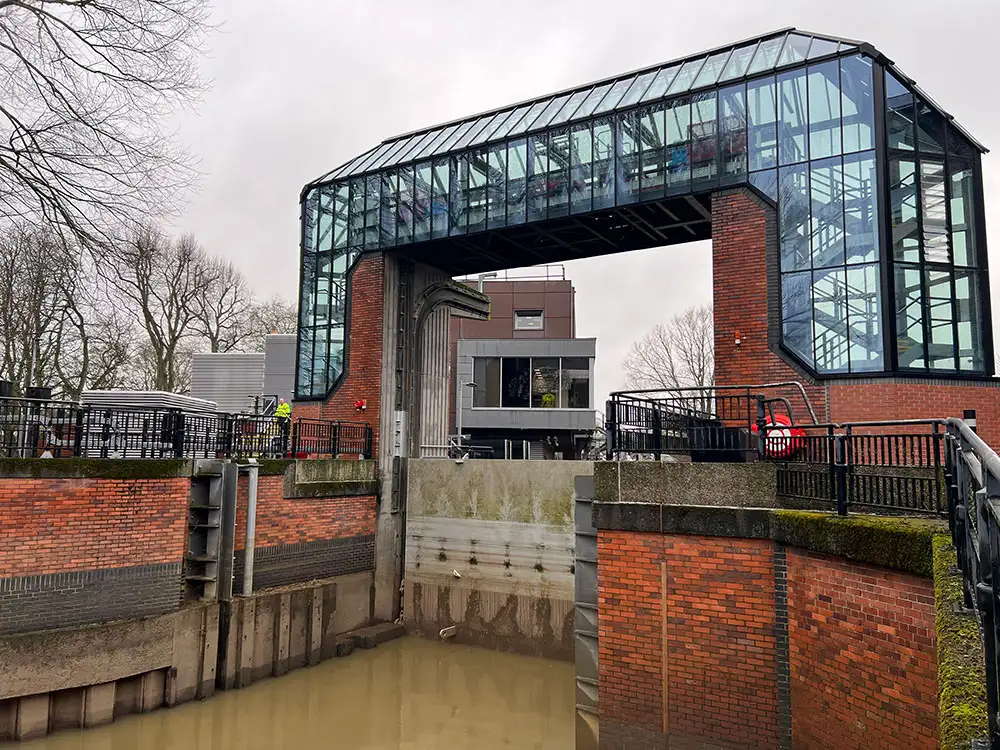
Jon says the team does take satisfaction from the fact that York is now very flood resilient. Thanks to all the defences, it means the city has been able to operate largely as normal even when the rivers were in full flood this winter.
But there are still challenges. “There’s plenty of places all around York and North Yorkshire where we haven’t been able to provide flood defences, and we are looking at what options are available.
“One of the big solutions that we should be looking at into the future is how we manage land further upstream, to stop water getting through the catchment so quickly.
“There’s a number of projects in the pipeline across Yorkshire to make sure that we are looking at those emerging flood risks.”
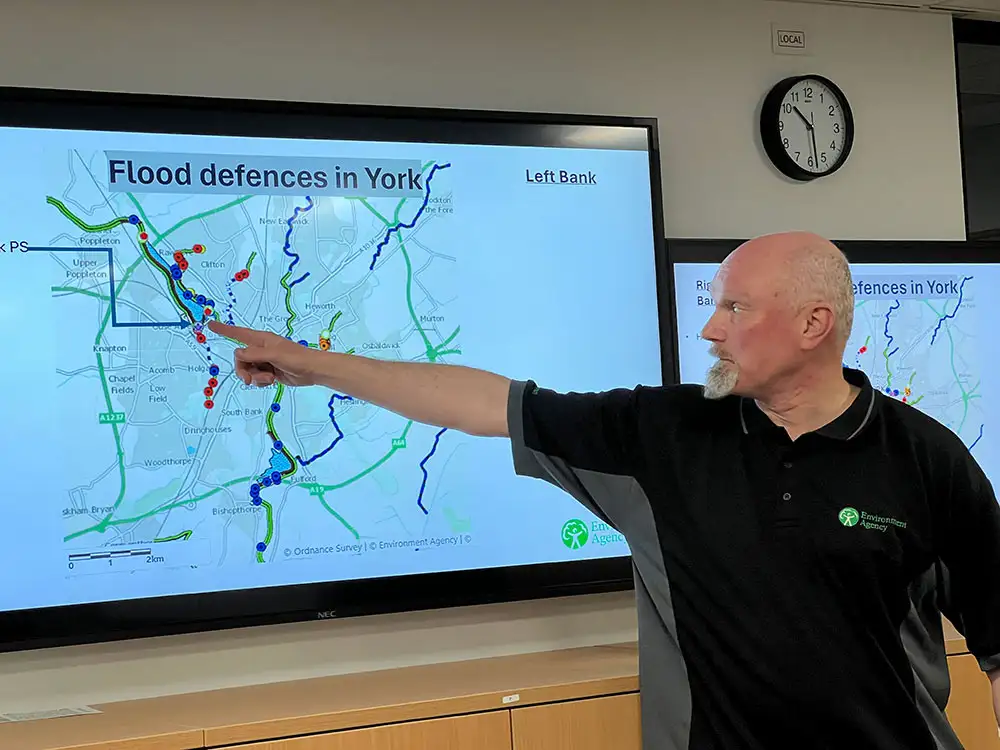
Given the more extreme weather associated with climate change, are York’s current flood defences going to be enough?
“Well, I’m sure the people who built the flood defences in the Eighties, if you’d ask that question, they would have given an answer which you’d probably embarrassed about now,” Jon said.
“So I’m not going to stand here and say that’s enough, because you just don’t know with climate change.
“What we think, though, is it reduces the risk significantly. I don’t think we’ll ever stop flooding. We’ll never find a solution to all floods.
“But what we have done here is greatly improved the city of York’s chances of dealing with another major incident.”
More heavy rain is forecast for the next few days. And the Viking Recorder is predicting the Ouse will be in flood again on Thursday. Here we go again…