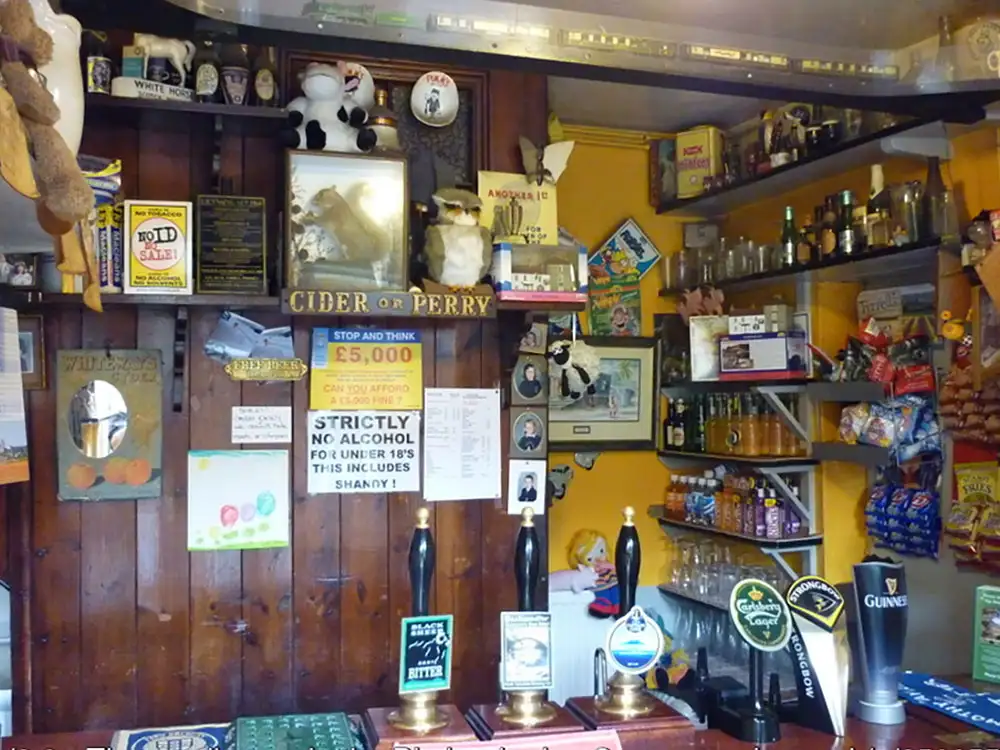

If you are looking for North Yorkshire’s perfect pub, you can call off the search.
At least, according to National Geographic.
The magazine and TV channel beloved of explorers has revealed what it considers are Perfect Pubs: 12 of the UK’s best boozers – and one is in our own fair county.
In the authors’ view, a perfect pub has no “loud music, no spirit-sapping Sky Sports and ideally no fancy food that requires holding cutlery in a hand that could otherwise be wrapped around a drink.”
There should be plenty of history, plus “beer, wine and spirits, offered without the tyranny of too much choice. There should be nuts and crisps. There should, preferably, be some kind of dog and a piano.”
Their perfect dozen includes pubs from Brighton to Belfast to Edinburgh.
And they have included a representative from North Yorkshire: the Birch Hall Inn, perched next to Beck Hole bridge over Eller Beck, near Goathland.
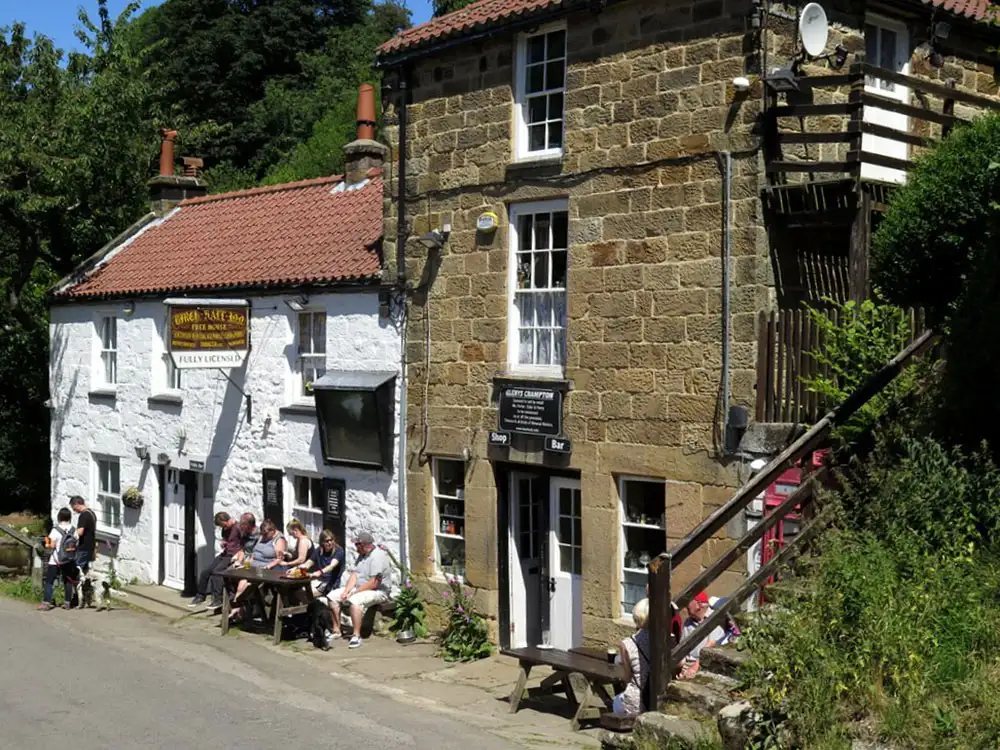
“This eccentric, uplifting idyll of an inn is the smallest pub in Yorkshire,” asserts the National Geographic team.
“Consisting of two taverns separated by an abundantly stocked, old-fashioned sweet shop, it’s where hikers and holidaymakers bump elbows as they enjoy a well-maintained range of ales served alongside pork pies and pickles, stotties and its well-known ‘beer cake’.
“There’s no wi-fi and its cash only. It’s brilliant.”
Birch Hall Inn
The pub owes its existence to a time when Beck Hole was not the tranquil idyll it is today.
In its listing of historic pubs, the Campaign For Real Ale writes: “Back in the 1860s Beckhole rang to the clamour of ironstone mines, smelting furnaces, quarries and the railway, and the three-storey block which forms the right-hand half of the pub premises was in fact built (by the pub landlord of the time) as a shop with tenements above, to cater for the influx of industrial workers.
“The original pub, essentially the ‘Big Bar’ of today, was contained in one of the pair of eighteenth-century cottages to the left (with the whitewashed frontages) and is accessed from a passage…
“It was not until after the Second World War that a second pub room, the ‘Little Bar’, was formed from part of the shop in the Victorian extension. Essentially a tiny snug, it has three simple benches, a flagstone floor, and one Formica top table with lots of old (1d) pennies inlaid into it.”