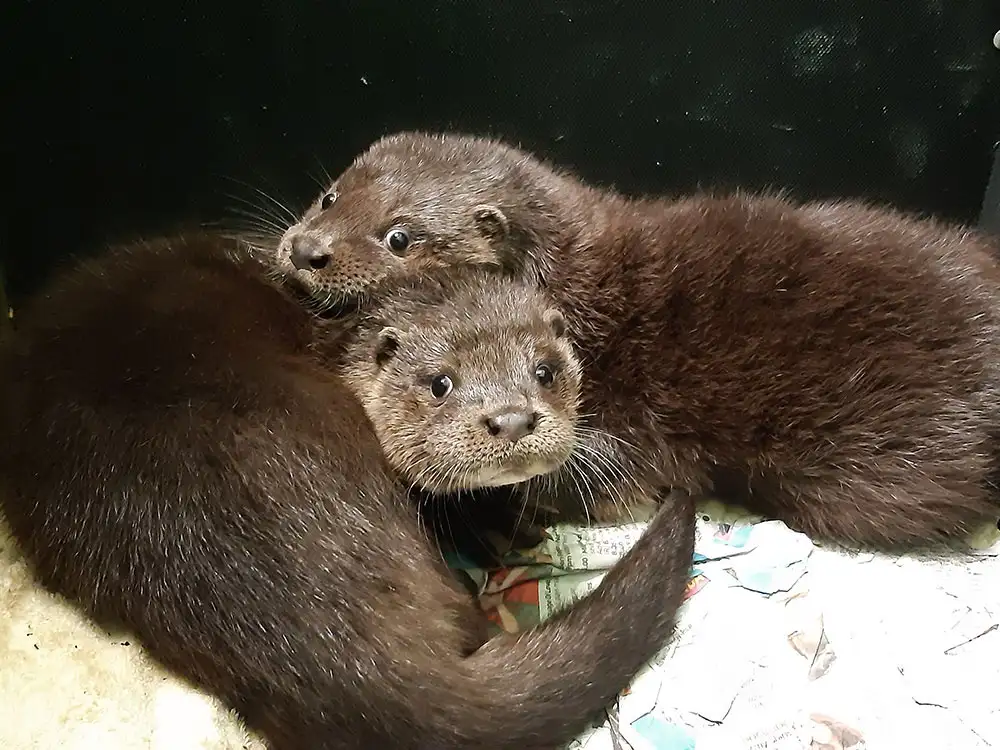

Two otters who were found orphaned near Castle Howard are being prepared for release on the River Ouse.
Their mother was run over and killed. The cubs, one male, one female, were found in March last year, and hand-reared by the RSPCA Stapeley Grange Wildlife Hospital in Cheshire.
Now they are ready for release back into the wild.
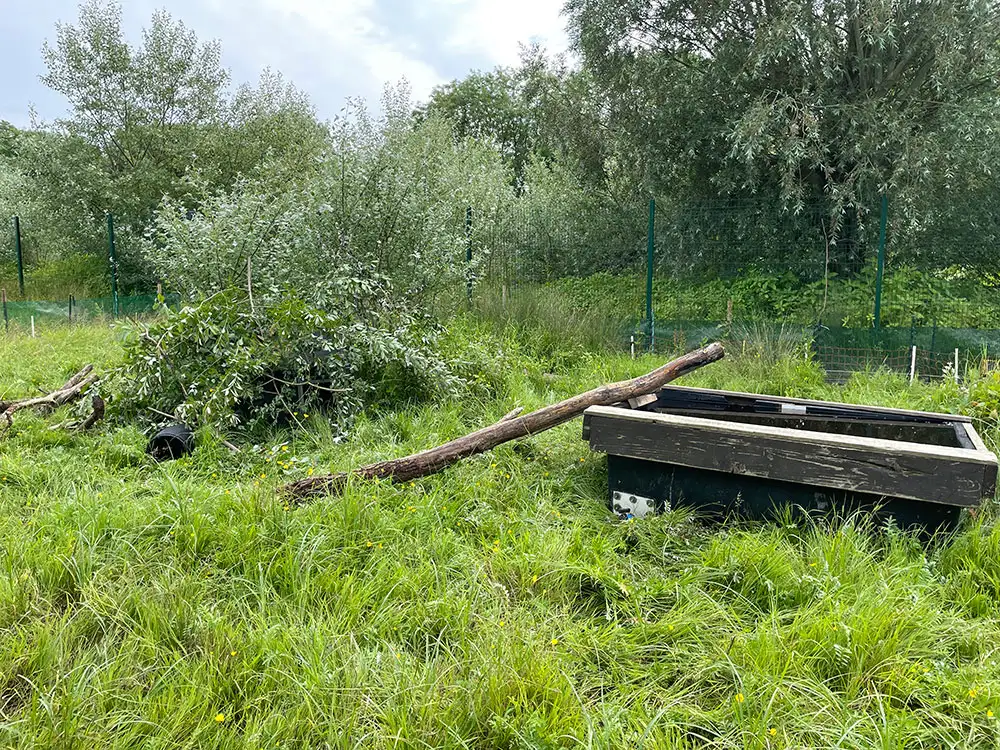
They will spend ten days in an enclosure on an undisclosed Yorkshire Water site, as they acclimatise to their new surroundings.
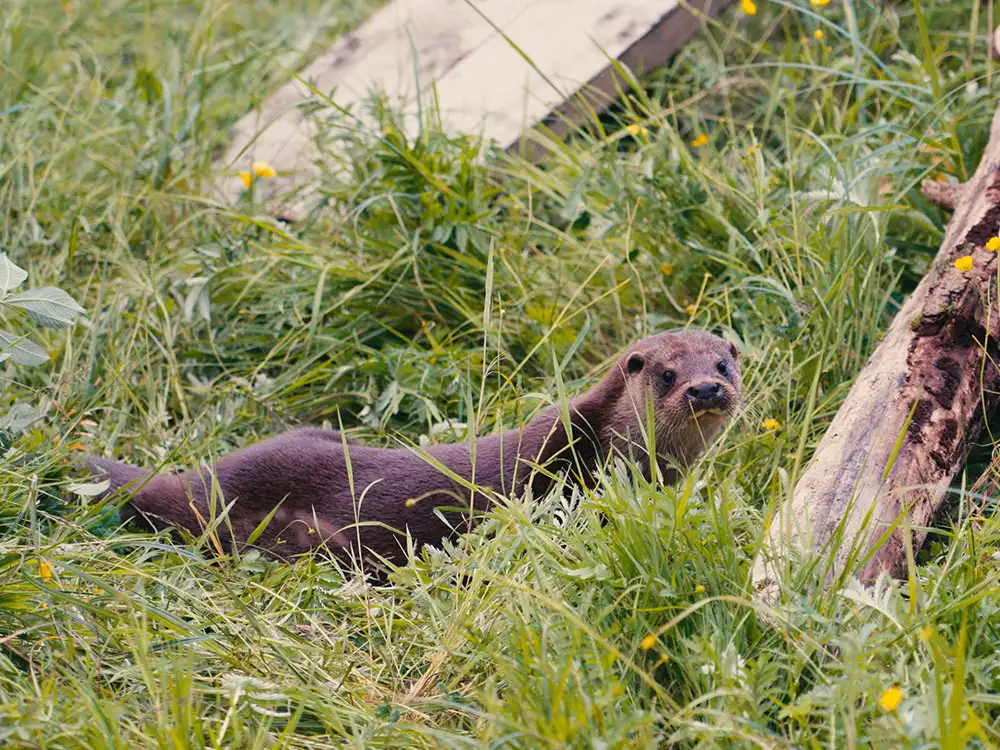
If everything goes to plan, the otters will be released to explore their new home on the banks of the River Ouse.
Rob Scrivens of the RSPCA said “We’re delighted to be working with Yorkshire Water once again to find the perfect forever home for our abandoned otters.
“This is the third time we have worked together to identify the best available habitat, and this will be a great location for the otters to live long and happy lives in the wild.
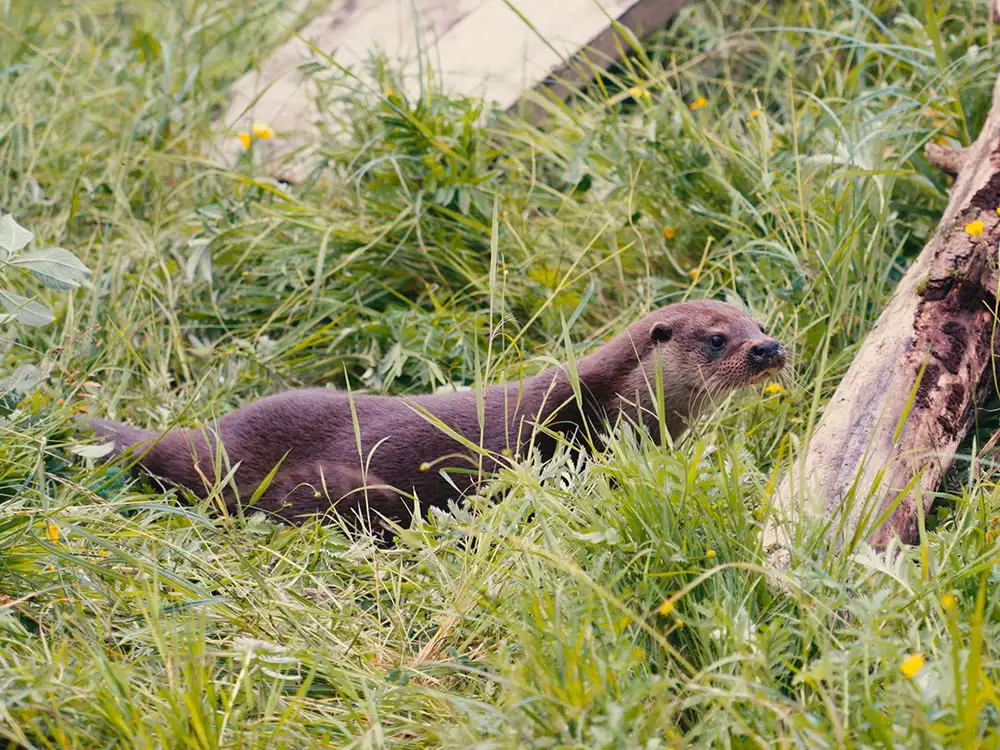
“These partnerships are so important as it’s only through such links that the RSPCA can find ideal sites for some of its orphaned mammals.
“There are very few centres around the country that can rehabilitate otters through to release, and they are not cheap. It will cost over £3,500 to return a pair of cubs to the wild.”
Sarah Mason, nature-based solution strategy manager, Yorkshire Water said: “Finding nature-based solutions to improve the quality of water in rivers and coasts are important parts of our strategy at Yorkshire Water.
“Otters live wherever there is fresh water with plenty of food and shelter to raise their young so the River Ouse will provide a healthy habitat for them to call home.”
Close to extinction
After up to 14 months of careful rehabilitation making sure the cubs are ready for the wild, the transition to their new life is equally painstaking. A release site is chosen, often as close to the location where the cubs were originally found.
The site needs to be large enough to build a 100m fenced area, access to a river, lake or small stream and without public access.
The cubs are put into the safe enclosure for ten to 14 days depending on the weather and will be fed daily, twice a day for the duration of their stay.
Once the site has been assessed and made safe from any sensitive planting, the otters can be released and the safety enclosure removed two weeks later, by which time the cubs will be fully acclimatised to their new forever home.
Otters were close to extinction in the UK in the 1960s because pesticides and polluted rivers were affecting their habitat and food source.
Their return to the UK waterways is a real success story, and a good indicator of river health as they only live in clean waterways where there is plenty of shellfish, crustation and fish to eat and enjoy.
The RSPCA is always on the lookout for more ideal sites for orphaned animals. Anyone wishing to support such releases can do so by contacting [email protected].