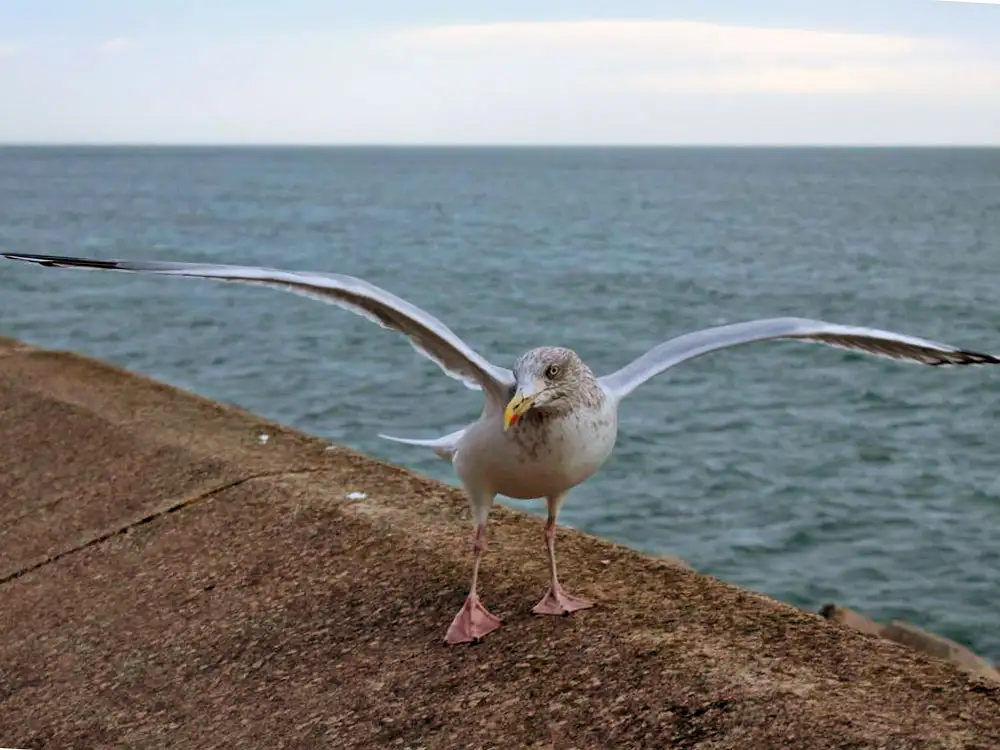

A £119,000 plan to create an environment where ‘gulls and people can co-exist without conflict’ is set to be debated by councillors.
A new urban gull strategy could be approved to establish an environment where gulls in Scarborough are “accepted and protected as a valued part of coastal biodiversity” and coastal towns are maintained as welcoming, safe and thriving places for residents, visitors, and businesses.
The proposal includes investment into education campaigns, gull-proof rubbish bags, new and retrofitted litter bins, and seasonal jetting of guano.
“While gulls, in particular herring gulls and kittiwakes are a valued part of coastal biodiversity, their increasing presence in urban areas has led to significant issues including noise, fouling, aggressive behaviour (human/gull contact), and overall public health concerns,” the strategy states.
North Yorkshire Council said it was not an option to do nothing or return to lethal and other methods to control gull species as the authority would be at odds with its legal obligations and priorities.
A meeting of the Scarborough and Whitby Area Committee is set to discuss the strategy next week, while a final decision will be made in August.
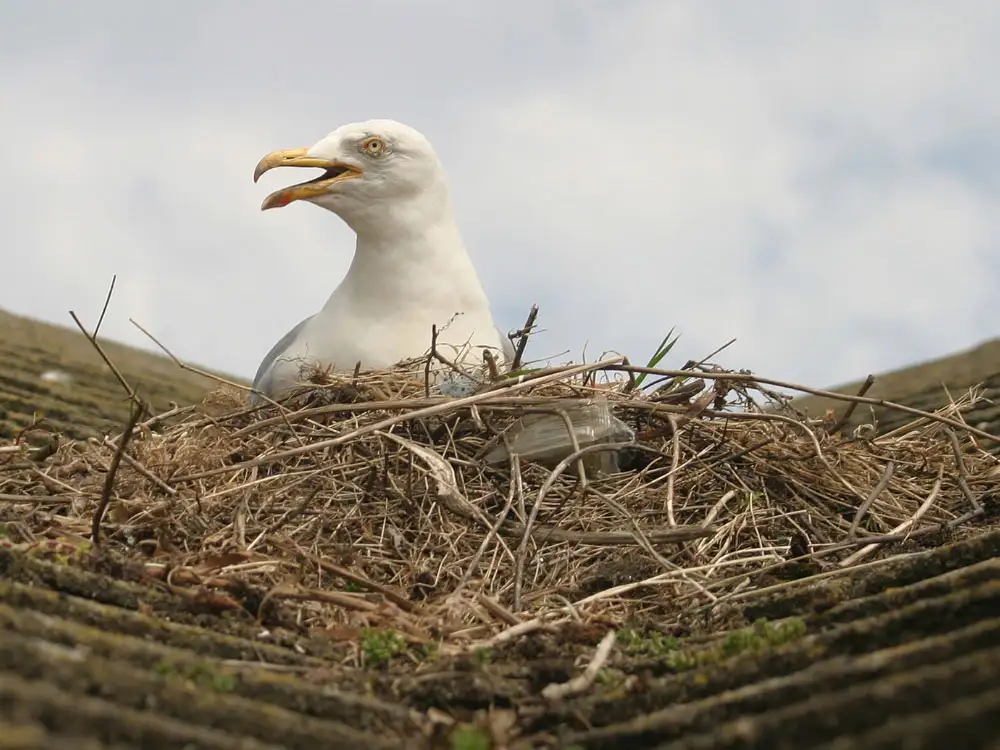
Previous methods to control gull numbers and deter them from nesting on buildings included the installation of proofing measures and some lethal and other methods such as nest destruction.
However, the council said that “these actions, particularly proofing measures, were installed randomly without effective risk assessment and evaluation of their success or otherwise”.
The report also notes that there was little regard for the ecological differences between the herring gull and the kittiwake, which is “essential to understanding how to manage their presence in urban areas”.
Officers said that although the increased number of gulls in urban areas is contrary to their wider and significant population declines, their presence is a divisive issue that requires careful consideration and management.
“Of primary consideration is that all gull species are wild birds and must be protected in accordance with legislation,” the report adds.
The costs associated with the strategy include £30,000 on seagull-proof rubbish sacks, £50,000 for jetting, which is based upon the £40,000 spent last year plus inflation and an increase in activity based upon customer feedback.
The £19,000 for new and retrofitted litter bins relates to the cost of trialling a mix of both new bins and retrofitting additional measures to existing bins, the report states.
Meanwhile, £15,000 would go towards education and communication and £5,000 for signage.
The funding of £119,500 has been secured from the environment directorate’s budget.
“The strategy sets out a balanced approach of protecting gull populations while ensuring that residents, businesses, and visitors can enjoy clean, safe, and welcoming coastal environments.
“It aligns with the council’s wider priorities of supporting thriving places, empowered communities, and a sustainable environment.”