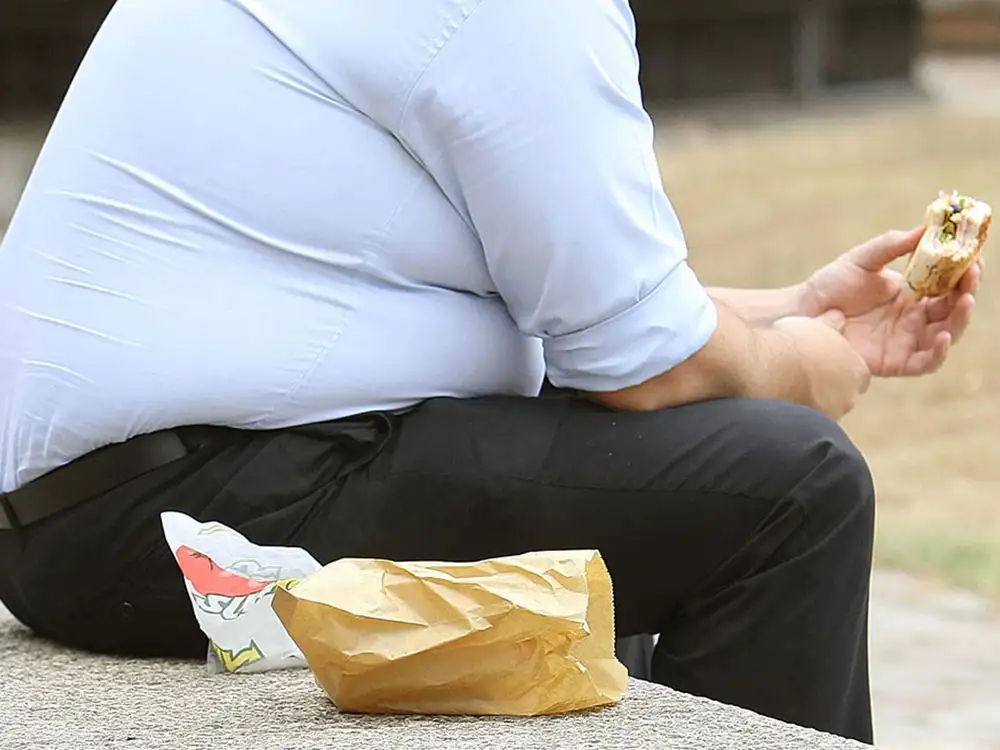

Sixty per cent of adults in York are overweight or obese.
According to the latest City of York Council data 60.1 per cent of York’s adult population were classed as overweight or obese when measured according to the Body Mass Index (BMI).
A council report says a compassionate approach to weight loss is needed in York to remove stigma, consider trauma and mental health and take the influence of the food industry and different body types into account.
It added a compassionate approach trialled elsewhere could produce better results than existing methods which often see people lose small amounts of weight in the short-term.
The report stated: “Addressing the underlying causes of obesity are far-ranging and multi-faceted.
“Weight management interventions are not effective for all and reliance on them as a fix particularly for childhood obesity may be doing a disservice to our children and families.
“Obesity is a chronic, relapsing medical condition and we need our systems to treat it as such, we also need to recognise that obesity and mental health are closely connected, often feeding into each other.
“That’s why compassion must be at the heart of how we respond.”
Almost a quarter of reception age children, 23.2 per cent, were overweight or obese with the proportion rising to 34.7 per cent for 10 and 11 year olds.
The report stated BMI was an imperfect measure due to it not differentiating between muscle and fat or taking children’s growth spurts and above or below average heights into account.
But it added BMI was useful for understanding trends in populations, with obesity rising across all age groups since the 1950s.
The council’s report sets out and calls for moves towards a compassionate approach to weight loss, based on one piloted in Doncaster.
It includes ending stigma, creating an environment where people can focus on their goals without judgement and shifting emphasis from weight loss to improving health.
Different body types are respected and it encourages people to take part in enjoyable physical activities which people of all sizes can participate in.
The approach tries to address the factors stopping people from eating healthily and exercising, including social and environmental barriers and takes trauma into account.
It also focuses on helping people by building relationships and seeks to recognise unintended consequences such as the effect of weight loss messages on people with eating disorders.
The link between obesity and poverty are also taken into account.
The report stated ultra-processed, high fat and salt foods are generally cheaper gram for gram than healthy, fresh alternatives and pointed to the influence of advertising on eating habits.
A compassionate approach to health in York would be taken alongside medical help for some if it were to be brought in, according to the report.
It stated that while the effectiveness of weight loss drugs is increasingly recognised due to rapid results, they came with side effects including gallstones and dehydration.
The report added research showed people typically regained weight once they stopped using drugs and they did nothing on their own to improve diets, nutrition and exercise.
The report is due to be discussed at York’s Health and Wellbeing Board on Wednesday, 21 January.