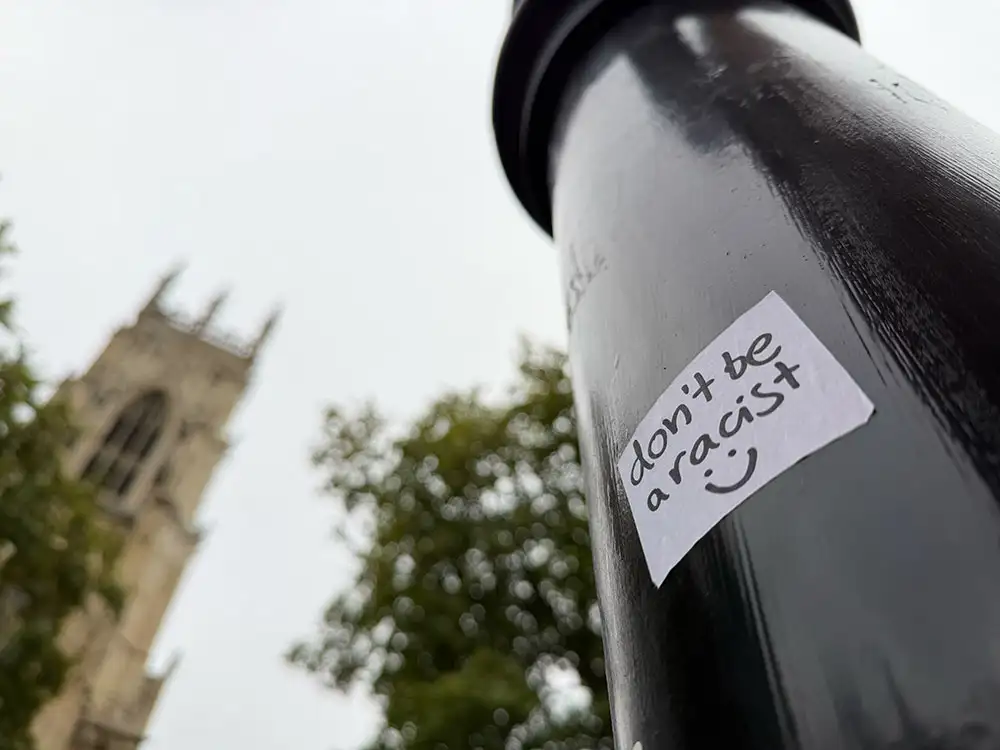

How do you tackle hate crime?
Community leaders, politicians and police were discussing this question today (Wednesday) at a Hate Crime Conference in York.
It comes after a surge in reported cases over the summer, coming in the light of the Tommy Robinson march in London and the flagging campaign.
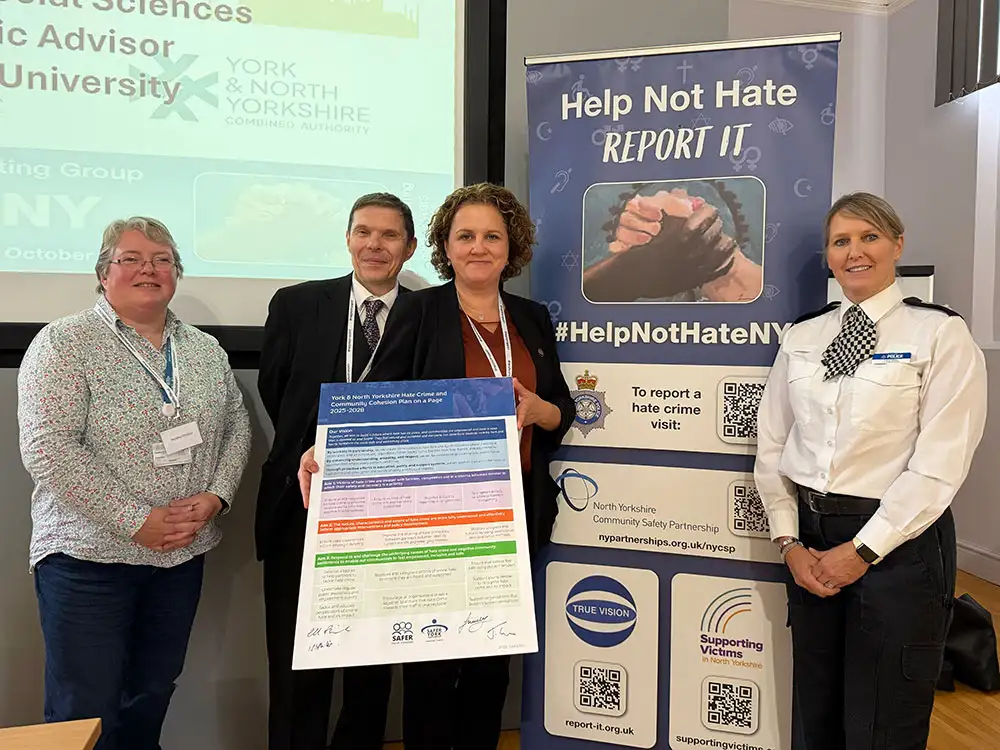
York and North Yorkshire have joined together to create a hate crime and community cohesion strategy for 2025 to 2029.
And people from across North Yorkshire were in attendance at today’s event at the Priory Street Centre, part of National Hate Crime Awareness Week.
We asked four key attendees for their thoughts.
‘We stand with you’
Cllr Michael Pavlovic, safer communities lead, City of York Council
“We know that at the moment, the country is more polarised than many of us can ever remember.
“And although York and North Yorkshire is an incredibly safe county and city, for a lot of people, they feel that it’s no longer safe for them. And we need to do all that we can to make sure that everybody feels that they’ve got a part to play in our communities.
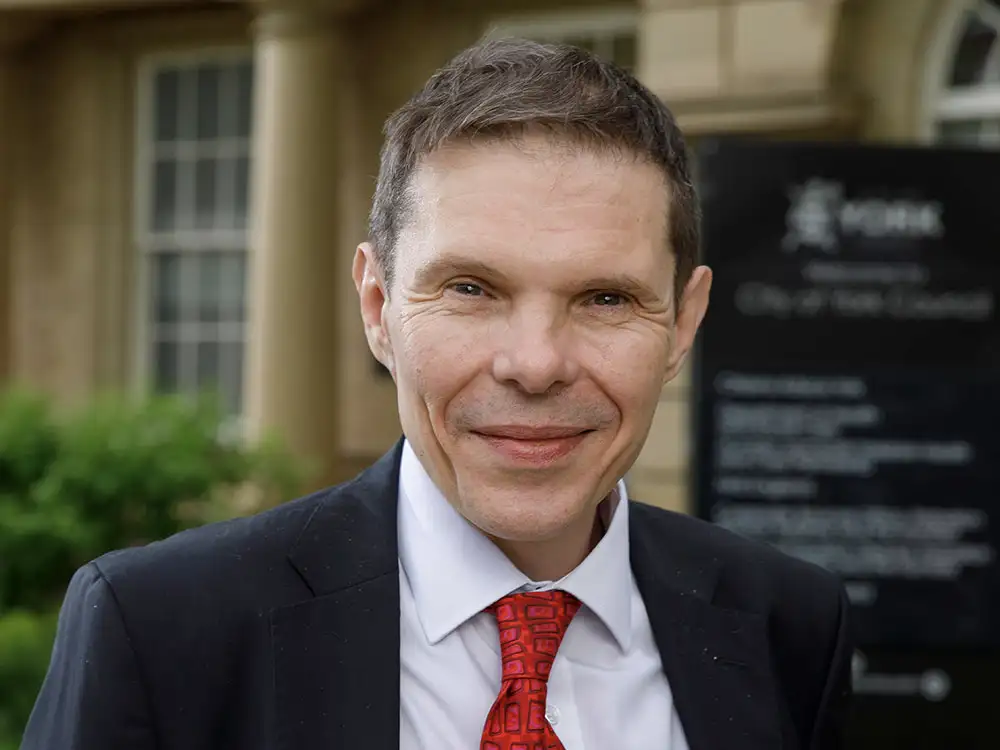
“There has been quite a significant uptick in reported hate crimes. We’ve all seen the very highly publicised issues of graffiti and assaults, but we know that this is an incredibly small minority of people.
“We know that the vast majority of people in York are welcoming, that they want to be inclusive, and that they really believe that together, we can create a more fair and just society.”
Cllr Pavlovic said the way to tackle it was for everyone – the council, the police, organisations and invidual people – to unite and say to those affected: “We stand with you.”
‘We’re always building trust’
Chief Superintendent Fiona Willey, head of local policing at North Yorkshire Police
What’s your assessement of hate crime in North Yorkshire at the moment?
“We have seen an increase, certainly over the summer months, and obviously that’s been linked to what’s been happening nationally.
“We are starting to see it slowly decline in North Yorkshire, which is obviously promising. But my message is that I want everybody to have the confidence to report hate crime to us.
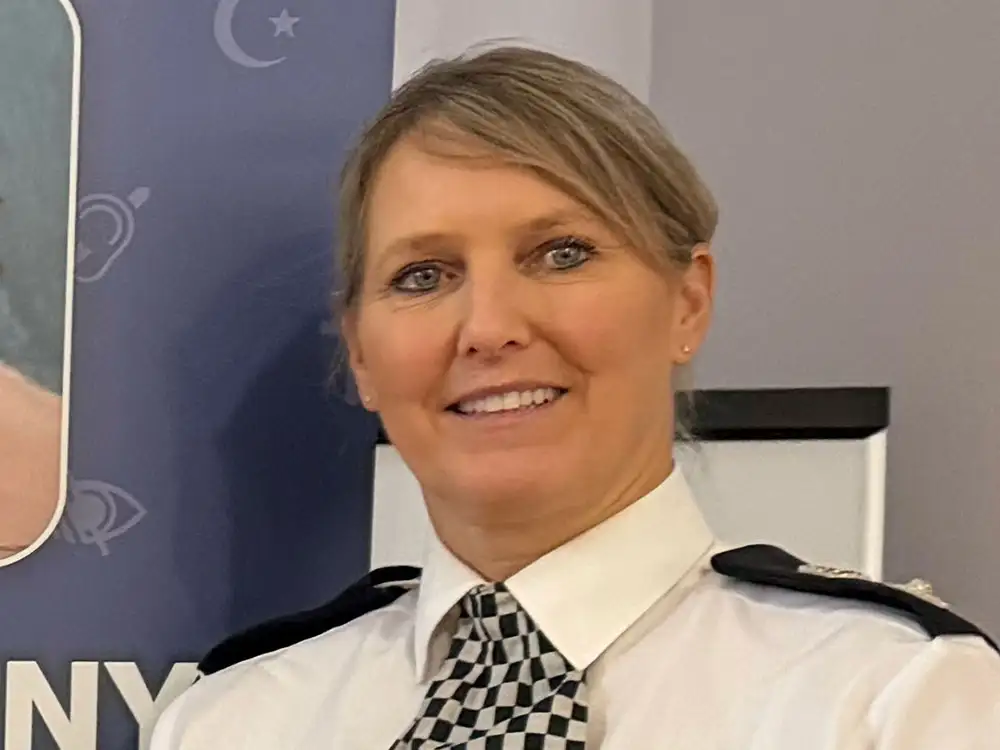
“We’re here to keep our community safe, and we need to know about it so we can deal with it proactively.”
Historically, there’s been mistrust between minority communities and the police. What are trust levels like now?
“We’re always building trust, and I would never sit here and say that we’ve actually got the confidence of everybody.
“Sergeant Nigel Collins is head of our hate crime team, and they’ve done some amazing work going out to those hard-to-reach communities.
“For me, it’s about that positive engagement. It’s about being visible, being approachable, so that we can understand, but then we start to build that confidence.”
What work is being done inside North Yorkshire Police to make sure everyone is on board with this?
“We’ve got the police race action plan. We’ve got a dedicated team working on that, which is community based, but also internal – to raise awareness and do the necessary training.
“We’ve launched our cultural awareness training, which is receiving some really positive feedback.”
‘Building confidence in our communities’
Jo Coles, York and North Yorkshire Deputy Mayor for policing, fire and crime
“There was a big blip in hate crime in September, and that was something that I was aware of, because we’ve been monitoring it regularly over recent weeks. More reassuringly, it’s something that’s then been coming down.
“It’s also an area where we know we’ve got significant under reporting. For every incident that’s on a bar chart of something that’s been reported, there’s probably at least a dozen that haven’t been reported.
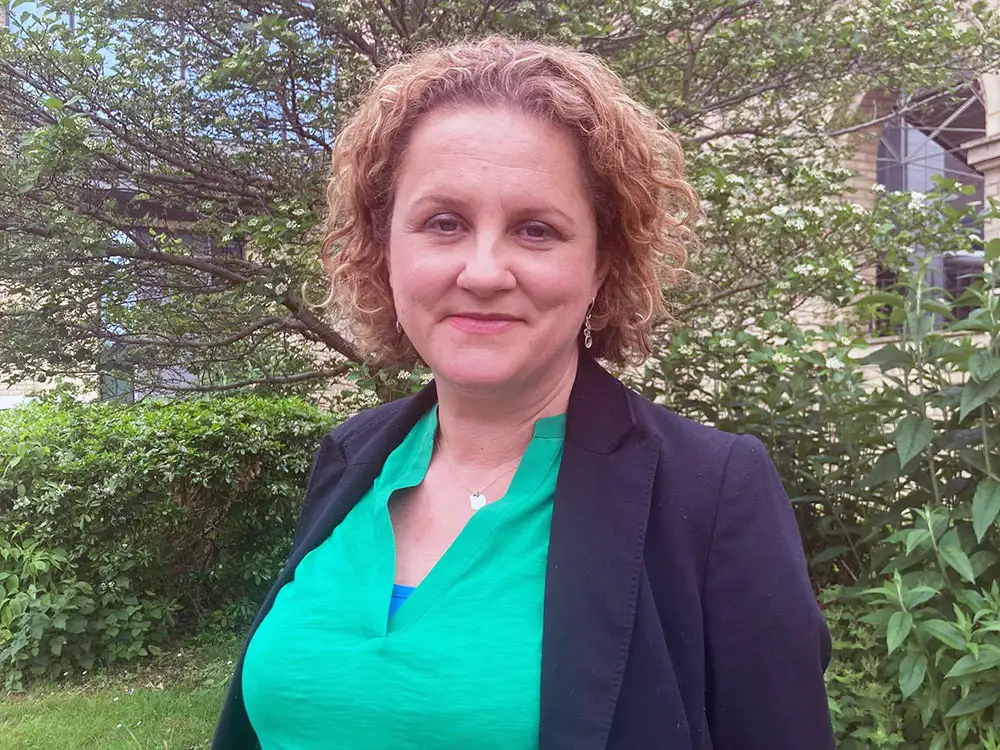
“We need to make sure that we’re building that confidence in our communities, that if people feel unsafe or feel like they’re being targeted because of their race, their religion, their sexual orientation, that they feel they can come forward and report that to the police, and the police can then make that assessment as to what they need to do to respond to that.
“Hate is such an unhealthy emotion for people to hold. It means that people feel fearful themselves. It means that people are feeling attacked themselves.
“The way in which you respond to that is not to attack other people. The partnership working that we’ve seen today is about people coming together and understanding what different communities are about – and then us as a city and as a region saying we want to be a safe place for everybody.”
‘Experience a bit of difference’
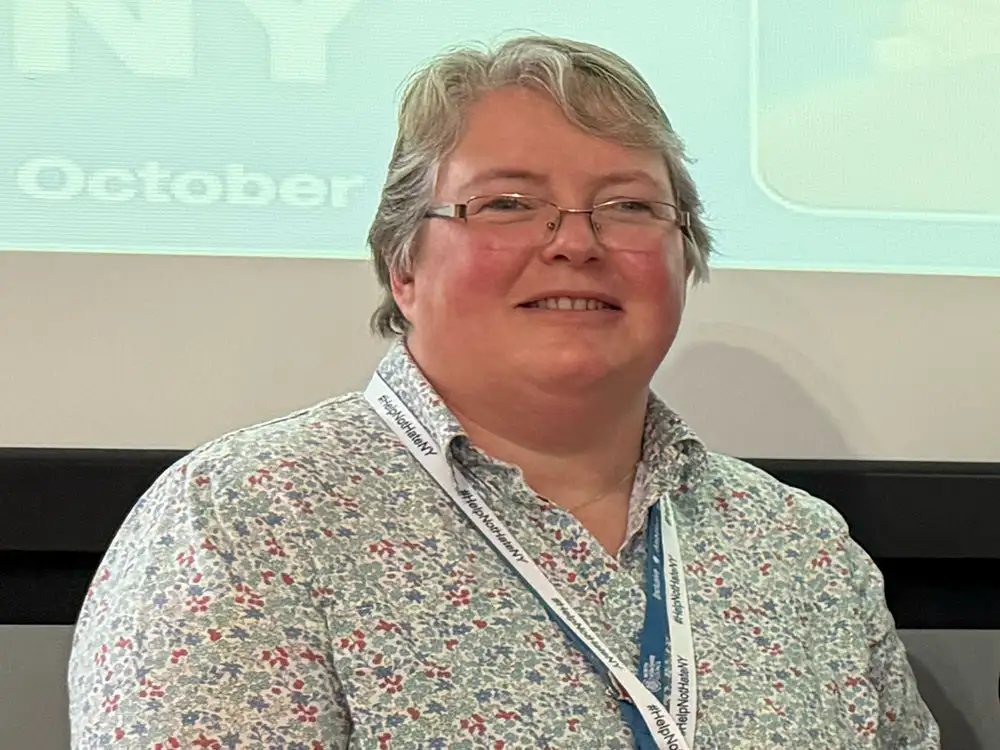
Cllr Heather Phillips, North Yorkshire Council lead on community safety
“Hate crime is obviously vastly under reported. I’ve seen it myself. I lived in London for a very long time, so it almost became immune to it in a way, but when you come up to North Yorkshire, the last thing you expect is hate crime.
“Now we’ve got more people who are affected by it, and the statistics do not allow us to understand the problem effectively.
“Civil society should be about everybody respecting each other. When you don’t respect each other, then you become fragmented.
“You don’t connect with the rest of your community. And you can see little enclaves, little groups of people who hang around together for their own safety. That’s really unfortunate.
“We should be all able to mix freely and enjoy each other’s company. If we can’t do that because people are afraid, then we really are failing.
“There needs to be a strategic approach, because we have to be able to identify those who are most at risk of harming others because of their differences.
“We actually need to talk to each other, communicate, exchange ideas, go to one of these events that’s been held this week and actually learn something about other communities.
“It does change your worldview. Go out there and experience a bit of difference.”